A 17-year-old is experiencing rapid hair loss from NW1.5 to NW3 in six months and feels dermatologists are unhelpful. They are using Minoxidil (Rogaine) and seeking advice on application.
A 29-year-old is using 1mg oral finasteride and 50mg/g topical minoxidil daily for hair loss, with plans to reduce minoxidil use due to greasiness and considering a hair transplant for receding temples. No side effects from finasteride were reported, and many users suggest a transplant may not be necessary due to good hair density.
The user experienced side effects from oral finasteride and is considering microdosing topical finasteride mixed with minoxidil. They plan to mix Hims min/fin with Kirkland minoxidil to achieve a lower dose of topical finasteride.
The user shared their experience with liquid Minoxidil, which initially worked well but caused severe skin irritation, leading them to stop. They are now trying oral Minoxidil and plan to document their progress weekly.
My hairline, I am only 23.
This conversation is about a user's experience with treatments for androgenic alopecia, including finasteride, dutasteride, RU, minoxidil, progesterone, melatonin, LLLT, oral minoxidil, and Pyrilutamide. They have tried many treatments over the course of two years without seeing much success, and they are considering getting a hair system as a last resort.
The conversation discusses struggles with diffuse thinning and hair loss treatments, including the use of dutasteride, minoxidil, and finasteride, with limited success. The original poster regrets having a hair transplant at 21 due to weak donor hair and ongoing thinning.
The conversation is about a 27-year-old male using 1mg of finasteride and 5mg of minoxidil daily for hair loss, noticing slow improvement. He is unsure if using a dermaroller will help while on oral minoxidil.
The conversation discusses the effectiveness of commercial Low-Level Laser Therapy (LLLT) devices for hair growth, suggesting they are underpowered compared to the ideal energy output shown in medical research. A user plans to build a custom helmet that meets the required specifications for effective treatment.
Microneedling combined with latanoprost may convert vellus hairs to transitional or terminal hairs. The user suggests using oral minoxidil to increase vellus hair, then applying a high concentration of latanoprost with microneedling for conversion.
A 27-year-old male with diffuse hair loss, including the donor area, did not respond to finasteride, dutasteride, or minoxidil. He suspects his hair loss may be linked to a mild connective tissue disorder, possibly affecting the structural support of hair follicles, rather than being purely hormonal.
A user's hair loss treatment progress over the last 6 months using finasteride, minoxidil and dermarolling; other users have commented to ask questions or share their own experiences.
The conversation discusses a topical hair loss treatment containing 0.1% dutasteride, 6% minoxidil, tretinoin, and ketoconazole. The user is asking for opinions on the effectiveness of this solution.
The user is experiencing excessive hair thinning and is unsure of the cause. They are seeking opinions on treatments like Minoxidil, finasteride, and RU58841.
Hmi115, a prolactin receptor blocker, showed promise for hair growth, but results from Phase 2 trials have not been published. ABS-201, an AI-based analog, is expected to begin trials in December 2025, while commercialization of treatments like PP-405 is anticipated around 2027.
A 30-year-old is using topical minoxidil 6% and finasteride for hair loss, showing significant progress over five months. They also use dermastamping, nizoral shampoo, and had a hair and scalp treatment.
PP405 is a promising molecule that may reactivate dormant hair follicles, potentially offering a new treatment for hair loss. It is in phase 2 trials, with possible availability between 2027 and 2030.
The user is experiencing increased hair loss and was diagnosed with male pattern baldness. They are considering using oral or topical finasteride to manage the condition and are contemplating cutting their hair short.
A 26-year-old male is documenting his hair regrowth journey using 0.5mg dutasteride and 5mg oral minoxidil, transitioning from 5% topical minoxidil. He reports no significant side effects after one week, except for slight water retention and increased libido.
An 18-year-old woman experiencing hair loss due to stress, possible PCOS, and low vitamin D is concerned about starting 5% minoxidil foam, prescribed by her doctor, due to potential facial hair growth. She is also using a topical steroid for scalp sensitivity and pain.
A 40+ male shared his one-year progress using minoxidil twice daily and microneedling once a week, showing significant hair improvement. He also occasionally uses finasteride in a low dosage due to side effects.
User shares 4-month progress using finasteride, minoxidil, and microneedling for hair loss. Others discuss body hair, hair transplant possibilities, and user's treatment response.
The conversation discusses concerns about MVSupplements.com products, specifically the Min+Ru spray and GHK Serum, due to discrepancies in ingredient lists and recent poor feedback. Users also mention a price increase and one user reports no issues with the RU powder.
A 36-year-old man shared his 1.25-year progress using oral finasteride, oral minoxidil, RU58841, microneedling, nizoral, and LLLT for hair regrowth. He is thrilled with the results and considering a hair transplant for increased density.
The user reports progress in hair regrowth using topical finasteride/minoxidil, microneedling, topical dutasteride, latanoprost, and MSM supplements. They express frustration over the lack of interaction on progress posts compared to trivial topics.
Scalp biopsies are crucial for diagnosing hair loss conditions like Diffuse Unpatterned Alopecia (DUPA) and retrograde hair loss, as treatments like finasteride and dutasteride may not be effective if other conditions are present. Combining PPAR-GAMMA agonists with retinoids could improve treatments for conditions like Lichen Planopilaris.
VDPHL01 shows faster and stronger hair growth compared to standard minoxidil, with no major side effects reported. Users discuss combining it with other treatments like dutasteride and finasteride for better results, while expressing skepticism about the effectiveness of PP405.
The conversation discusses interest in participating in PP405 trials for hair loss treatment, with users expressing uncertainty about eligibility due to location. Participants are eager for updates and willing to pay for shipping if trials are limited to America.
The user is considering switching from an expensive topical hair loss treatment containing 8% Minoxidil, 0.3% Finasteride, Retinoic Acid, and Hydrocortisone to a cheaper Kirkland brand Minoxidil. They are concerned about the effectiveness of the lower concentration and the absence of additional ingredients.
Emerging hair loss treatments like PP405, a topical MPC inhibitor, show promise in activating stem cells for hair growth. The conversation seeks information on the development stages and accessibility of these treatments.
The user is considering switching from topical Minoxidil to oral Minoxidil due to concerns about maintaining a topical routine. They have already started finasteride and are trying to prevent further hair loss progression.
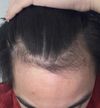

![M26 Regrowth Journal [0.5mg dut + 5mg oral minoxidil]](/images/research/08be6f74-78ff-4abd-86db-488d3602c9f7/small/18396.jpg)
