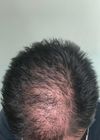
Considering a hair transplant, using Pyrilutamide, the potential availability of CosmeRNA, and the significance of taking Minoxidil and Finasteride for long-term results.
Nutrafol, a hair loss supplement, has limited and potentially biased research, with one study showing a 10% increase in hair count for women after 6 months but no significant results for men. The user concludes that cheaper, well-studied options like minoxidil may be more effective, especially for men, given the lack of evidence supporting Nutrafol.
Exosomes, cetirizine, melatonin, latanoprost, and caffeine are discussed as potential hair loss treatments. There is skepticism about the effectiveness of exosomes, especially in topical form, but some users report positive results.
Clascoterone is a topical treatment for androgenetic alopecia, showing modest to moderate hair regrowth, and may be available by 2027-2028. It is considered safer than finasteride, with discussions on its effectiveness compared to RU58841 and pyrilutamide.
The conversation is about the effectiveness of low-level laser therapy (LLLT) caps for hair regrowth. One user suggests saving money, implying LLLT caps may not be beneficial.
A 40+ year old is regrowing their hairline using microneedling, minoxidil, tretinoin, low-level laser therapy, massages, and Nizoral, without using finasteride or dutasteride. They noted progress in hair growth below a birthmark, an area that hadn't seen growth since their teenage years.
The user experienced severe hair shedding despite using oral finasteride, minoxidil, dutasteride, and RU58841, and was diagnosed with Non-Alcoholic Fatty Liver Disease (NAFLD). They are considering switching to topical treatments due to the ineffectiveness of their current regimen.
A user's experience with microneedling monotherapy and potential treatments such as finasteride, minoxidil, Stemoxydine, rosemary oil, peppermint oil, and RU58841 for reversing hair loss.
Verteporfin shows promise in donor hair regeneration after 84 days. Combining Finasteride, Minoxidil, and Pyrilutamide with unlimited hair transplants is seen as a potential near-cure for hair loss.
A user shared their one-month progress using Minoxidil and RU58841 for hair loss, noting significant shedding after micro-needling and seeking opinions on their regrowth. They stopped micro-needling and added RU58841 to their treatment.
The conversation discusses CRISPR-on & CRISPR-off as a potential cure for baldness, contrasting it with hair cloning and other treatments like Minoxidil, finasteride, and RU58841. It also mentions the potential of mRNA for gene expression control and the prioritization of gene editing for severe genetic conditions.
HairClone is offering a Dermal Papilla Cell Hair Multiplication procedure in Guatemala, raising questions about its effectiveness and regulatory reasons for the location. Users express skepticism and curiosity about the treatment's success and potential costs.
The conversation is about using RU58841 and microneedling (1.5mm) for hair loss. The user seeks advice on whether to avoid applying RU58841 on microneedling days to prevent it from becoming systemic.
The conversation discusses a new liposomal topical finasteride from Hasson and Wong, available in Canada and Italy, soon in the US, costing $40/month. It claims to reduce scalp DHT by 50% without affecting serum DHT, potentially benefiting those who can't tolerate oral finasteride or RU58841.
Amplifica is testing a compound called AMP-303 for hair loss, but it's not Scube3 or osteopontin. The timing for the results from the clinical trial is unknown.
The conversation is about sourcing RU58841 for hair loss treatment, with a focus on finding reputable sellers. The user plans to use 10mg/ml daily, split into two doses, prioritizing quality over price.
The user shared their hair regrowth journey using treatments like dutasteride, minoxidil, microneedling, tretinoin, Nizoral, silica, biotin, and hormone replacement therapy (HRT) with cyproterone and estradiol. They reported substantial hairline improvement and some crown thinning, with hopes for further progress.
The user experienced almost no improvement in hair loss after 3 months using microneedling, RU58841, sulforaphane, finasteride, and dutasteride, especially after stopping minoxidil. They believe minoxidil is more effective than RU58841.
Follica's preferred microneedling protocol for hair growth, which includes needle depth, frequency and movement parameters as well as the use of topical treatments such as minoxidil and finasteride.
TGF-B affects hair growth, both causing stem cell division and death depending on amounts. Amplifica's treatment injects Scube3 to increase TGF-B for hair growth.
The conversation is about making a 20mg/ml RU58841 solution for hair loss treatment using ethanol and propylene glycol. The user receives advice on calculating the correct amount of RU58841 powder needed.
New company Amplifica receives $11.8 million for hair loss product development, co-founded by Dr. Maksim Plikus and William Rassman. Users discuss undisclosed product candidates and application methods.
The user has been using a hair loss treatment protocol including topical dutasteride, minoxidil with tretinoin, ketoconazole shampoo, microneedling, a laser cap, and vitamin D for 15 weeks, showing impressive progress. Feedback suggests continuing medical therapy for 12-24 months before considering a hair transplant.
An 18-year-old male experiencing hair loss since 2023 is using minoxidil, microneedling, and topical finasteride. He is considering switching to oral finasteride for potentially better results.
A user is considering using RU58841 to treat hair loss and asks if it can be effective for 4-5 years. Some suggest starting with a lower concentration and debate the safety of RU58841 compared to approved drugs like finasteride.
RU58841 is a strong non-steroidal antiandrogen for hair loss but may cause cardiovascular issues in some users. Alternatives like Pyrilutamide and Breezula are suggested due to better safety profiles and lower systemic risks.
RU58841, oral and topical minoxidil, finasteride, and ketoconazole shampoo led to significant hair regrowth, though some suspect a hair transplant. Concerns about RU58841's side effects, like anxiety and heart issues, were discussed.
A Swiss product called Redensyl, which is supposed to target hair follicle stem cells and has recently been marketed in Europe. The post inquires if anyone has had any experience with the product.
The conversation discusses alternatives to RU58841 for hair loss treatment, with suggestions including topical spironolactone, peppermint and rosemary oils, and saw palmetto. The user also considers ordering RU58841 from China but finds it too expensive.