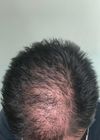
Analyzing data on pyrilutamide, a potential hair loss treatment, as well as the effectiveness of other treatments such as Minoxidil, Finasteride, and RU58841.
The user had a failed hair transplant in 2018, didn't use medication, and experienced severe depression from further hair loss. They started treatment in 2022 with 0.5mg daily finasteride, 2.5mg oral minoxidil, 1ml daily topical minoxidil, and are considering low dose RU58841 and dermarolling.
A user is treating their advanced hair loss with a regimen including topical finasteride, minoxidil, hydrocortisone, stem cell serum, peptide serum, multivitamins, he shou wu tea, derma pen, argan oil, and a derma roller. Replies suggest it's too early to judge progress and recommend staying consistent, with one suggesting oral minoxidil as an additional option.
The user mixed RU58841 with Minoxidil for hair loss treatment and experienced reduced hair fall and thicker hair but stopped due to chest pain and muscle twitching. They plan to use a new routine without RU58841 or Finasteride due to side effects, including various topical treatments and peptides.
A user is asking about the effectiveness and dosage of RU58841 for hair loss, comparing it to Minoxidil and discussing its long-term use alongside Finasteride. They plan to use RU58841 and Finasteride for several years before potentially switching to GT20029.
A 19-year-old is concerned about long-term microneedling for hair loss and is unsure if it will remain effective as they age. They experienced side effects from topical finasteride and are considering whether to try it again in the future, while also dealing with body dysmorphia and stress.
Hair loss treatment with latanoprost, minoxidil, and biotin showed progress. Latanoprost, a glaucoma drug, stimulates anagen phase and increases conversion of vellus hair to terminal hair.
A user proposed genetically engineering scalp stem cells to stop androgen receptors from causing hair loss. Others discussed the feasibility, existing research, and potential issues with this approach, including targeting the correct cells and unintended effects.
The post is an update on the user's hair loss journey. They have a strong hair follicle that has remained unaffected by hair loss for almost 3 years. The user is starting finasteride and using ketoconazole, alfatradiol, and oral castor oil for hair maintenance.
A user is seeing good results with RU58841 for hair loss, noting reduced shedding and thicker hair. They plan to use pumpkin seed oil as a solvent to avoid water content, which they believe reduces the effectiveness of anti-androgens.
A 19-year-old female with Diffuse Alopecia was advised by a dermatologist to use vitamin supplements, a hair serum, and antifungal drops, leading to some improvement. Other users suggested treatments like minoxidil, microneedling, and consulting a different dermatologist for further advice.
The conversation discusses skepticism and mixed opinions about a hair loss theory, mentioning treatments like Minoxidil, finasteride, RU58841, and Procyanidin B2. There is criticism of a content creator named HairCafe and the difficulty in obtaining effective sulforaphane supplements.
The conversation is about finding affordable RU58841 for hair loss treatment. Suggestions include buying it in powder form and making a solution at home, with Amazon as a potential source.
A user discusses a company, Roots by Genetic Arts, that offers a genetic test for hair loss to create personalized treatments, and is curious about its legitimacy and the science behind it. The company tests 16 genes related to hair loss and compounds a topical treatment based on the results.
Fucoidan may help regrow hair and reduce inflammation in androgenetic alopecia. It is unclear if simply mixing fucoidan powder into a serum for application is effective.
The conversation discusses using RU58841, a research chemical, for hair loss treatment. The user plans to use it due to side effects from finasteride and minoxidil, despite skepticism about its effectiveness and lack of FDA approval.
The conversation discusses a user experimenting with RU58841 for hair regrowth by ingesting it, which others find concerning. There are mentions of potential side effects and comparisons to other treatments like minoxidil, finasteride, and flutamide.
A 57-year-old man with male pattern hair loss and insulin resistance experienced hair regrowth and weight loss after using tirzepatide, without other hair treatments. Dysregulated glucose metabolism is linked to hair loss, with tirzepatide potentially improving hair density by normalizing insulin resistance.
An 18/19-year-old male started balding at 16 and initially saw hair growth with minoxidil, but results diminished over time. He switched dermatologists and is now using a regimen of topical finasteride, minoxidil, vitamin D, and supplements, hoping for better results.
RU58841 was used by some for hair loss, but concerns about side effects like gynecomastia and safety were raised. Alternatives like finasteride, minoxidil, pyrilutamide, and alfatradiol were discussed, with some users reporting better experiences with these treatments.
High frequency ultrasonography and HR-MRI can help identify hair shedding causes like inflammation and fibrosis. The conversation discusses the potential of using these technologies to evaluate treatments like Verteporfin for hair regeneration.
The conversation discusses using Nutrafol products, Minoxidil, and considering Finasteride for hair loss treatment. The user is exploring natural supplements and other options due to low testosterone levels and concerns about Finasteride while trying to conceive.
KX826 shows promise as a hair loss treatment with a 10% increase in hair count, but concerns about Kintor's marketing practices and the systemic effects of treatments like GT20029 and RU58841 remain. Users express skepticism and hope, with some preferring traditional treatments like finasteride and minoxidil.
A 40-year-old user shared their hair loss treatment progress since October 2023, using exosome treatment, minoxidil, finasteride, and microneedling. They started slacking on microneedling in February after stopping minoxidil.
Hair loss is influenced by scalp tension, stress, and environmental factors, not just hormones. Treatments like tretinoin, microneedling, scalp massage, and Botox can reduce tension and improve hair health.
A 21-year-old female shared her 4-month hair growth progress using Minoxidil 5%, finasteride 1mg, Theradome LLLT, Viviscal vitamins, and PRP treatments twice. Commenters praised her progress and discussed other treatments like microneedling, but she noted her dermatologist advised against it due to potential scalp damage.
The user is experiencing diffuse hair loss due to high testosterone levels and has tried various treatments including finasteride, minoxidil, nanoxidil, keto/caffeine shampoo, dermarolling, and RU-58841 with limited success. They are seeking advice on safely lowering testosterone levels to manage hair loss.
The user halted hair loss using 0.01% topical liposomal finasteride daily, with no side effects or regrowth, and recently added 5% minoxidil and low-level laser therapy. They recommend this conservative approach for those hesitant about finasteride.
The conversation is a humorous discussion about a Lego microneedling set for hair loss, comparing it to a wax pen. No specific treatments are mentioned.