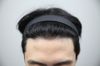
A user is using Minoxidil, finasteride, saw palmetto, and Minimalist RCP serum to address hair thinning, with some success but concerns about the long-term benefits of Minimalist. They plan to continue Minoxidil and finasteride for another year before considering a hair transplant.
The conversation is about trying DS Labs SOD supplements for hair loss, which contain ingredients like Genistein, B-sitosterol, and Biotin. The user is considering adding these supplements to their existing hair care routine.
Oral minoxidil and spironolactone helped restore the hairline but not the scalp behind it. Hairline and temples often respond first to treatment, with mid-scalp and crown following later.
A user is considering a hair loss treatment lotion containing minoxidil, adenosine, caffeine, melatonin, and azelaic acid, questioning the interaction between caffeine and adenosine receptors. Another user suggests adding a topical anti-DHT ingredient like spironolactone, noting it should not be taken orally by men.
Balding scalps have more androgen receptors, leading to increased TGF-beta, which causes blood vessel loss and hair follicle miniaturization. Blocking androgen signaling and TGF-beta may help prevent hair loss.
A person had success with micro-needling for hair growth but stopped and noticed hairline recession. They plan to restart treatment at age 40, using micro-needling, oral minoxidil, finasteride, a laser cap, topical minoxidil with tretinoin, collagen, and other supplements.
New hair loss treatments like PP-405, AMP-303, and SCUBE3 are being discussed, but none are confirmed to fully restore hairlines. Current treatments like Minoxidil, Finasteride, and RU58841 are still widely used, with some hope for future advancements in hair regrowth.
The user shared their positive experience with a 1,500 graft FUE hair transplant at NewHair Institute in Korea, highlighting the natural design by Dr. Jino Kim and the supportive staff. They experienced minimal discomfort and swelling, and appreciated the thorough aftercare and communication.
A user shared their positive experience with a no shave FUE hair transplant by Dr. Ko in Seoul, including aftercare with oxygen therapy, red light therapy, and prescribed dutasteride and oral minoxidil (2.5mg daily). The procedure cost over $5,000 USD, and the user is satisfied with the results.
The user is experiencing severe hair thinning and is using multiple treatments including topical finasteride, minoxidil, tretinoin, latanoprost, oral minoxidil, dutasteride, saw palmetto, and derma wounding. They are considering adding RU58841 and are contemplating a hair transplant and exosomes due to frustration with current results.
A Phase II clinical trial for TDM-105795 has started recruiting in the US, and it might be a promising treatment for hair loss. Many hair loss drugs, including this one, originate from China.
Hair loss treatments, specifically Minoxidil and the tap method; Finasteride was also discussed but not recommended due to its side effects. Price and other information were requested.
A new hair loss treatment theory beyond minoxidil and finasteride is proposed, causing mixed reactions in the community, with some members eager to explore and support it, while others call for more research and evidence.
The user shared their positive experience with a hair transplant in South Korea, highlighting thorough consultations, consistent medical team involvement, and reasonable pricing. They noted good growth and natural-looking results after several months, with stem cell PRP treatment included to support graft survival.
The conversation is about finding a pure high molecular weight hyaluronic acid for the scalp after microneedling. A user suggests using a product from The Ordinary.
A person is experimenting with microneedling on one temple while using Minoxidil to address hair loss. They plan to needle weekly and apply Minoxidil twice daily, avoiding application around needling sessions.
Two Chinese suppliers provided legitimate RU58841, confirmed through a free drug testing service. The vendors were Shaanxi Greenyo Biotech and Lyphar, found on Made-in-China.
Hair cloning and new treatments like ET-02, Veradermics (vdphl01), and wound-induced hair neogenesis show promise but are not yet widely available. Current effective treatments include minoxidil, finasteride, and dutasteride, with early intervention being crucial for better outcomes.
A Danish citizen warns against NordicHairGrowth.com, claiming it falsely advertises products for treating androgenic alopecia. The company's ingredients and claims are disputed, including a non-existent patented ingredient RP-24, and a non-verifiable clinical trial.
The conversation discusses skepticism about a new hair loss treatment called project K, which claims to replicate a chemical from UCLA research but is suspected to be a scam. The original poster plans to continue using oral minoxidil, finasteride, and dutasteride, along with microneedling, for hair regrowth.
A 28-year-old underwent three hair transplants totaling 11,102 grafts at Eugenix, using finasteride and minoxidil to manage advanced hair loss. Despite limited density, the results are satisfactory, allowing the individual to feel presentable without a hat.
Younger generations now view receding hairlines as baldness, increasing the use of treatments like minoxidil and finasteride. Social media and changing beauty standards have intensified focus on hairlines, altering perceptions of baldness.
A new technique developed by scientists in Japan to reverse balding using hair follicle cell transplants, and the discussion around the effectiveness of this approach compared to other treatments such as Minoxidil, finasteride, RU58841, Replicel, and Hairclone.
The user shared their experience with hair regrowth using a natural approach, including a good diet, multivitamins, pumpkin seed oil, and scalp massages, without using minoxidil or finasteride. They emphasize this method for those with stabilized hair loss around Norwood 1.5 - 2, noting satisfactory progress over a year.
The post and conversation are about a hair loss treatment regimen involving 30% minoxidil cream nightly, 5% minoxidil in the mornings, finasteride, weekly 1.5 derma pen, daily 0.5 microneedling for minoxidil absorption, daily multivitamin with biotin, low-level laser therapy every other day, daily scalp massages, Hims shampoo, and daily coffee rinses. The user hopes for hair regrowth and plans to update in one year.
The conversation is about treatments for androgenetic alopecia, focusing on hyperresponders. Treatments include Minoxidil, finasteride, RU58841, leg training, and cold therapy.
A user is exploring VEGF gene therapy to enhance hair transplant results, considering measuring hair shaft diameter and growth rate. Suggestions include using phototrichograms and possibly adding PRP, though its effectiveness is uncertain.