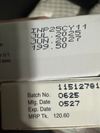
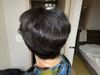
A user applied a homemade topical finasteride solution daily for 35 days, reducing hair shedding significantly with minimal side effects. They plan to continue for 90 days and will provide further updates.
Finasteride can cause side effects like erectile dysfunction and decreased libido, possibly due to increased estradiol from testosterone aromatization, especially in those with higher body fat. Side effects vary widely and may also be influenced by genetic factors or neurosteroid inhibition.
The conversation discusses the link between increased estrogen and autoimmune diseases, with a focus on avoiding soy and milk. It also mentions treatments like Minoxidil, finasteride, and RU58841 for hair loss.
The conversation humorously discusses hair loss treatments, including Minoxidil, finasteride, RU58841, and topical 17 alpha estradiol, with some users joking about transitioning to female to avoid baldness. The overall tone is satirical, emphasizing self-acceptance and the lengths people might consider for hair restoration.
A user experienced high estrogen levels after 10 months of taking 1mg oral finasteride but is happy with hair regrowth. They are considering switching to topical finasteride and are also taking DIM and Zinc supplements.
The conversation discusses sourcing Topilutamide (fluridil) as a treatment for hair loss, with users comparing it to RU58841 and finasteride. Users share their experiences with various treatments, including testosterone, DHT gel, and Proviron, while expressing difficulty in finding Topilutamide.
Hair transplantation involves a detailed consultation, preparation, and a long-term recovery process with stages like initial shedding and gradual new hair growth over months. Setting realistic expectations is crucial for patient satisfaction.
Switching from topical to oral minoxidil and dutasteride led to severe hair thinning and shedding, with no side effects. The user is unsure if this is a temporary shedding phase or if oral minoxidil is less effective.
The conversation is about finding 1.5mm cartridges for a Dr. Pen device, with a preference for purchasing through Amazon. The discussion does not mention specific hair loss treatments like Minoxidil, finasteride, or RU58841.
A 24-year-old male experienced hair loss regression after 3.5 years on topical finasteride and minoxidil. He is considering switching to topical dutasteride or oral finasteride due to concerns about side effects and is seeking advice on the efficacy of these treatments.
Bald men in Mozambique are being targeted due to superstitions that their heads contain gold, leading to dangerous rituals. The conversation humorously discusses this belief and its implications.
OP is looking for ethanol to make a topical finasteride solution for hair loss treatment. Users suggest using Everclear or Spirytus as alternatives for ethanol.
The conversation discusses using Ketozolin shampoo in Germany as an addition to finasteride and minoxidil for hair loss treatment. Users recommend applying a small amount 2-3 times a week, leaving it on for 5-10 minutes.
Unused Minoxidil tablets should be disposed of at a pharmacy with take-back services or according to packaging instructions. It's not recommended to give them to others due to legal and safety concerns.
The user is using 5% topical minoxidil, 1mg oral finasteride, biotin, vitamin D, zinc, and microneedling for hair loss. They report no sexual side effects and feel their libido may have increased.
Topical finasteride in the UK is sought after due to concerns about the strength and cost of Hims products. There is also interest in whether crushing finasteride pills into minoxidil is effective.
A 25-year-old uses oral minoxidil, dutasteride, and a shampoo with minoxidil and ketoconazole for hair loss, experiencing progress and increased body hair. Users discuss the effectiveness of these treatments, with some suggesting that dutasteride is primarily responsible for hair thickening.
A user experienced significant swelling after a hair and beard transplant, possibly due to an allergic reaction or improper post-surgery care. Despite dissatisfaction with the clinic's handling of grafts and customer service, the user appreciates the clinic's skill in achieving natural hairline density.
The user is experiencing hair loss despite using finasteride and Rogaine, with conflicting diagnoses from different hospitals. One suggests no hair loss, while another recommends continuing medication; a suggestion to see a dermatologist for proper assessment is given.
A user shared their progress after a 4,000-graft hair transplant, using finasteride (1.25 mg daily) and oral minoxidil (2.5 mg daily) for six months. They reported no side effects from the medication and noted significant improvement in hair density.
Low-level laser therapy (LLLT) is discussed as a supplementary treatment for hair loss, with users recommending brands like LaserCap, Ideatherapy, Capillus Pro, and iRestore Pro. Users suggest combining LLLT with treatments like minoxidil and finasteride for better results.
The conversation is about finding affordable RU58841 for hair loss treatment. Suggestions include buying it in powder form and making a solution at home, with Amazon as a potential source.
A new plant-based serum is claimed to regrow hair in weeks, but users are skeptical about its effectiveness and the reliability of the study. Ingredients like Centella Asiatica and IGF-1 are mentioned, but many doubt the serum's superiority over existing treatments like Minoxidil and finasteride.
A person shared their hair transplant experience, mentioning complications like excessive bleeding and density anxiety, and is using finasteride and minoxidil chewables. They traveled to Turkey for the procedure, paid around $3800, and are considering Mexico for future treatments; nicotine use is a concern for their recovery.
The user experienced severe sexual side effects from topical finasteride with minoxidil but found no side effects with low-dose dutasteride and finasteride serums from Ulo after a hair transplant. They also used a hair growth serum with saw palmetto without side effects.
Clascoterone shows promising results for hair regrowth in men with androgenetic alopecia, with potential FDA approval by 2026. It acts as a topical androgen receptor blocker, offering a new treatment option with minimal side effects compared to existing treatments like finasteride.
The user reported hair thickening after two months of using topical 7% minoxidil and 0.1% dutasteride, with no side effects. They previously experienced side effects with oral finasteride and switched to the topical treatment.
The user is considering stopping topical minoxidil due to health risks and inconvenience, while continuing oral minoxidil, dutasteride, and vitamins. Others suggest that oral minoxidil carries more risk, and results from treatments may take 3-6 months to appear.
The user shared their successful hair regrowth experience using Dutas, oral and topical minoxidil, vitamin D3, zinc, biotin, a laser cap, natural shampoos, ketoconazole shampoo, retinoic acid lotion, and mesotherapy. They reported no side effects and significant improvement in hair thickness and color over six months.
The user experienced hair regrowth after 10 months using Minoxidil, 2.5 mg Dutasteride, and 0.5 mg Finasteride. They switched from a compounded pill to Avodart capsules and plan to reassess their treatment after one year.