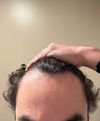
The user successfully overcame finasteride sideeffects by lowering the dosage and adding zinc and vitamin B6 supplements. They also micro-dosed dutasteride and resumed weight lifting.
The sideeffects of taking finasteride as a treatment for hair loss, with particular focus on its sexual and psychiatric sideeffects; research has indicated that there are high and low outliers in terms of prevalence of sexual sideeffects, but it is usually between 3-5%, while evidence of lasting sexual sideeffects comes from lower quality sources.
The release of a study on 5a-reductase inhibitors (finasteride and dutasteride) which showed an increased risk of depression, dementia, decreased libido, and reduced semen load as potential sideeffects; discussion around other forms of hair loss treatments such as topical minoxidil, RU58841, or opting to accept baldness; and advice to consider professional help for deeper issues related to hair loss.
The user experienced sideeffects like heart palpitations, chest tightness, and fatigue from using 5% minoxidil foam once daily. They are considering switching to a 2% concentration due to lingering symptoms like lightheadedness and brain fog.
Being overweight may increase finasteride sideeffects due to higher aromatase activity converting testosterone to estradiol. Maintaining a healthy weight could reduce these sideeffects.
Finasteride can cause sexual sideeffects in less than 2% of men, but these often disappear over time, even if the treatment continues. Some users report persistent sideeffects, while others experience no issues or only temporary ones.
Clascoterone (CB) shows an excellent safety profile with no serious sideeffects, but its effectiveness may decline after six months, making it more suitable as an adjunct treatment with finasteride and minoxidil rather than a standalone solution. Some argue it could be better than finasteride due to its protection against testosterone, but its long-term efficacy remains debated.
Switching from propylene glycol to glycerin in topical finasteride may reduce systemic absorption and sideeffects while maintaining local scalp DHT suppression. Concerns exist about glycerin's ability to deliver the full dose to hair follicles.
Switching generic finasteride manufacturers can reduce sideeffects while maintaining effectiveness. Different fillers in generics may affect bioavailability and cause varying sideeffects.
Microneedling before applying topical finasteride or dutasteride may enhance their effectiveness by increasing local absorption in the scalp, despite concerns about systemic absorption. Users discuss combining this method with oral treatments and minoxidil, noting potential benefits and sideeffects.
The conversation discusses the effectiveness and skepticism around topical dutasteride for hair loss, with mentions of combining it with other treatments like minoxidil and oral medications. Some users doubt its efficacy due to lack of independent studies and potential conflicts of interest.
User experienced gynecomastia from finasteride and found a solution using liposomal topical finasteride. This method minimizes sideeffects and is effective for hair loss treatment.
A user asks about the appropriate zinc dosage to offset sideeffects while taking 0.5 mg of finasteride daily. Responses suggest zinc has a minor effect on hormones compared to finasteride.
The user is using finasteride 1.25mg three times a week for hair regrowth and reports no significant sideeffects except watery semen initially. They also use a local caffeine shampoo and are considering haircuts to improve appearance.
Breezula shows promise in stabilizing hair loss and potentially promoting regrowth at the one-year mark, offering hope for those who can't tolerate 5AR inhibitors. Its local targeting of androgen receptors could be a significant advancement if it avoids systemic sideeffects.
A 20-year-old is experiencing hair thinning and is considering Clascoterone and Minoxidil as treatments, avoiding finasteride due to concerns about fertility and hormones. A suggestion was made to use Clascoterone for local DHT targeting and combine it with Minoxidil for maintenance and regrowth while avoiding systemic sideeffects.
The user saw significant hair regrowth using topical minoxidil and finasteride, even on areas not directly treated. They used local Algerian products with 5% minoxidil and 0.1% finasteride and reported no sideeffects.
AH-001 is a new topical treatment designed to degrade androgen receptors, targeting the root cause of androgenetic alopecia without the sideeffects of oral treatments like finasteride. It has shown a strong safety profile and good local tolerability in early trials.
After six months on 1.25 mg of finasteride, a user reports significant hair regrowth with no major shedding and uses a local brand of the medication. Some users inquire about sideeffects and brand differences, while others share their own experiences and concerns about hair loss treatment.
Using topical finasteride with creatine might help reduce hair loss by targeting local DHT while maintaining normal systemic levels, but results are uncertain without testing. Users report mixed experiences with topical treatments like finasteride, dutasteride, RU58841, and minoxidil, with some seeing regrowth and others experiencing sideeffects.
Hair loss treatments, including minoxidil, dermarolling, finasteride, dutasteride, hair transplants, hair systems, and shaving the head. The conversation covers various opinions on these treatments and mentions possible sideeffects as well as alternatives like wigs, vitamins, and lifestyle changes. The post expresses disappointment that there has been no major breakthrough in the field of hair loss treatments despite decades of research.
Topical finasteride is almost as effective as oral finasteride with fewer sideeffects. Users are considering between oral and topical finasteride for hair loss treatment.
Researching and developing an effective local antagonist to block the androgen receptors for hair loss, as opposed to using DHT synthesis inhibitors that lower serum DHT levels. Several treatments such as CosmeRNA and Pyrilutamide are currently in development or undergoing trials.
A 21-year-old MTF individual is experiencing rapid hair thinning and is currently on estradiol valerate. They are inquiring about the effectiveness of spironolactone for hair loss, despite being aware of its serious sideeffects.
Switching from topical to oral minoxidil and dutasteride led to severe hair thinning and shedding, with no sideeffects. The user is unsure if this is a temporary shedding phase or if oral minoxidil is less effective.
A user shared their positive 3-month experience using finasteride, minoxidil, and vitamin D to treat hair loss, noting significant regrowth and minimal shedding. They also discussed potential sideeffects and the low likelihood of experiencing them, while being open to answering further questions.
A 33-year-old experienced significant hair loss after a depressive episode and taking paroxetine, possibly due to telogen effluvium or androgenic alopecia. Suggestions included reducing alcohol, considering finasteride and minoxidil, and consulting a doctor about antidepressant sideeffects.
The user experienced severe sexual sideeffects from topical finasteride with minoxidil but found no sideeffects with low-dose dutasteride and finasteride serums from Ulo after a hair transplant. They also used a hair growth serum with saw palmetto without sideeffects.
A person experienced severe sexual sideeffects, including loss of libido and erectile dysfunction, after using finasteride and dutasteride for hair loss. They stopped the medications and sought advice, but recovery was slow and uncertain.