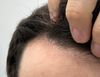
Microneedling once a week at 1mm caused bumps, possibly scars, in the treated area. The user is considering cleaning the skin before microneedling to prevent this issue.
Using spirulina and chlorella to boost ferritin and iron levels reduced hair shedding by more than half in a month. The user found these natural supplements more effective than regular iron tablets for hair growth.
Genetic factors, enzyme activity, and DHT sensitivity affect individual responses to hair loss treatments like finasteride, minoxidil, and dutasteride. Starting treatments early can slow hair loss, but results vary among individuals.
Switching from Accord to Aurobindo finasteride initially reduced hair shedding, but after three months, shedding increased again. Users discuss varying experiences with different finasteride brands, with some suggesting brand differences may not matter.
Nizoral shampoo reduced shedding but caused hair dryness. Alternatives like non-SLS ketoconazole shampoos, such as Regenpure DR, are recommended for use 2-3 times a week to avoid dryness.
User started minoxidil, noticed forehead lines and dark circles, and asked for non-invasive skin aging prevention methods. Another user suggested using tretinoin and hyaluronic acid for long-term benefits.
A user experienced skin irritation and acne while using Minoxidil foam, but after stopping both the foam and a sea salt spray, their skin improved. They plan to try oral Minoxidil, suspecting the sea salt spray, not Minoxidil, was the main cause of their skin issues.
A user noticed non-itchy, non-bleeding spots on their scalp while experiencing hair loss. Replies suggest the spots are likely sunspots or liver spots and recommend seeing a dermatologist; hair loss is attributed to male pattern baldness.
The user has been using finasteride 1mg daily, oral minoxidil 5mg daily, and microneedling weekly, experiencing initial side effects like ball pain and weaker erections, which resolved over time. They reported improved hair density after 7 months and recommend adding derma stamping to the routine for better results.
A 34-year-old man has used finasteride for 10 years and dutasteride for 1 year to manage hair loss, experiencing minimal side effects and slight hair thinning. He plans to continue using finasteride, ketoconazole shampoo, and oral liquid finasteride, noting that cost and convenience influenced his dosage choices.
Hair loss treatments like minoxidil, finasteride, dutasteride, and RU58841. Users stress early prevention and discuss challenges with different hair loss patterns.
People discuss hair loss treatments like minoxidil, finasteride, and dutasteride, sharing experiences and side effects. Opinions vary on combining treatments, with some skeptical and others reporting success.
The user has been using Dutasteride and oral Minoxidil for hair loss but hasn't seen desired results and is considering Advanced PRP with autologous exosomes. Some users suggest these treatments are scams, while others discuss increasing Dutasteride dosage or exploring other options like low-level laser therapy.
Finasteride is effective and affordable for preventing hair loss but may cause side effects like low libido. Some users combine it with minoxidil for better results, while others consider alternatives like dutasteride due to side effects.
PP405, a topical treatment, shows promise for hair growth by activating inactive follicles, with 66% of participants experiencing positive results. The treatment is well-tolerated and may proceed directly to Phase 3 trials, offering a potential alternative to minoxidil and finasteride.
Hair loss treatments like Minoxidil, finasteride, and potential mRNA therapies are discussed. There is skepticism about targeting specific genes due to the complex genetic nature of hair loss.
The user is using testosterone and finasteride to prevent hair loss and is considering adding Primobolan or Masteron, which are DHT-derivatives. They are seeking advice on their genetic risk for male pattern baldness and whether they can safely use these compounds without significant hair loss.
A 47-year-old has been using finasteride for 25 years for hair loss, but it's less effective now. Suggestions include switching to dutasteride, stopping anastrozole, and trying minoxidil, microneedling, and possibly TRT.
The user experienced significant hair regrowth over three years using a combination of dutasteride, oral minoxidil, dermarolling, and Nizoral shampoo. Initial side effects from finasteride subsided after switching to dutasteride, leading to improved hair density and thickness.
A user shared their positive experience with a crown MicroFUE hair transplant at Boston Hair Restoration, highlighting the smooth procedure, minimal pain, and significant growth over 12 months. They used oral minoxidil, finasteride (transitioning to dutasteride), PRP sessions, and a LaserCap, achieving excellent results and full confidence.
Dutasteride is expensive in the EU, prompting consideration of buying it from Turkey or using alternatives like finasteride, minoxidil, and bicalutamide. Users discuss challenges in obtaining prescriptions and the affordability of treatments in different regions.
A 36-year-old man shared his one-year progress using 1mg oral finasteride and 5% topical minoxidil twice daily, showing significant hair regrowth on his hairline, eyebrows, and beard. He reported no major side effects, except for some eye irritation from minoxidil application near the eyes.
A 23-year-old has been using 0.5mg Dutasteride and 5mg oral Minoxidil daily for two years, but their hair has thinned considerably. Suggestions include increasing the Dutasteride dose, adding Finasteride, or considering a hair transplant.
Counterfeit Kirkland minoxidil is being sold online, leading to ineffective hair loss treatment. Users are advised to purchase from reputable sources like Costco to avoid fake products.
A new serum claims to enhance hair regrowth by amplifying oxygen delivery, improving the effectiveness of treatments like exosomes and peptides. Users are skeptical, questioning its efficacy compared to established treatments like Minoxidil and Finasteride.
A 31-year-old man chose minoxidil over finasteride due to concerns about erectile dysfunction. He intends to seek another doctor's opinion on finasteride.
In Austria, finasteride prescriptions are restricted due to suicide risk concerns, with new prescriptions only for current users. Alternatives like topical finasteride, dutasteride, and online purchases face legal challenges.
Clascoterone 5% solution is discussed as a potential new treatment for hair loss, offering an alternative for those who can't use finasteride or need additional options beyond minoxidil. Concerns about cost, effectiveness, and safety compared to existing treatments like RU58841 and finasteride are highlighted.
Some people have side effects from finasteride and dutasteride due to hormonal predisposition, especially if DHT dominant. Alternatives like RU58841, Pyrilutamide, and Breezula are suggested to target scalp androgen receptors without altering overall hormones.