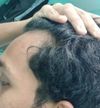
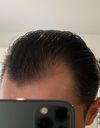
The individual is experiencing hair thinning primarily at the front/middle of their scalp and is seeking to identify the type of hair loss they have. They already use treatments like oral Minoxidil, topical Finasteride, Tretinoin gel, dermarolling, and various oils and shampoos.
A 23-year-old male is experiencing a receding hairline and overall thinning hair, affecting his confidence. He is considering using finasteride and minoxidil pills to address the issue.
A 21-year-old is experiencing significant hair loss and considering treatments like dutasteride, minoxidil, and possibly a hair transplant. Others share their experiences with finasteride, scalp micropigmentation, and hair transplants, discussing the emotional impact and offering support.
Diffuse thinners often experience more hair regrowth with DHT blockers like finasteride, possibly due to less DHT sensitivity and the presence of miniaturized, not completely bald, follicles. However, regrowth varies widely among individuals, influenced by factors like genetics, the stage of hair loss, and treatment methods such as minoxidil, microneedling, and dermarolling.
The conclusion of the conversation is that the user should consider using treatments such as finasteride, minoxidil, and RU58841 to potentially reverse their hair loss. Other suggestions include using hair loss concealers and maintaining a healthy diet.
The user regained hair and reduced forehead size using a routine of 1mg finasteride, 5mg minoxidil, topical minoxidil twice daily, tretinoin before minoxidil, derma stamping weekly, red light therapy daily, and ketoconazole shampoo thrice weekly. They experienced initial side effects with finasteride but adjusted the dosage over time.
Young men experiencing hair loss are frustrated with advice to embrace baldness without exploring treatments. They advocate for using finasteride and minoxidil, considering hair transplants, and hope for future advancements in hair restoration.
A 28-year-old male using Tugain 10 minoxidil, Finpecia 1mg finasteride, Cipla Ketoconazole shampoo, and dermarolling 0.5mm weekly for 3-4 months is seeing some hair regrowth. Encouragement is given to continue the regimen.
A 23-year-old male is experiencing rapid hair thinning and receding hairline, feeling emotionally drained. He has tried GFC, PRP, ketoconazole shampoo, and supplements without improvement and is considering minoxidil, finasteride, and possibly a hair transplant.
A user's hair regrowth journey using biotin and minoxidil after initial treatments with Nizoral shampoo and Ketoconazole serum didn't work. The comments suggest the hair loss might not be male pattern baldness (MPB), but possibly Alopecia Areata, an autoimmune disorder, and recommend getting a second opinion and considering other treatments like corticosteroids.
The user experienced stable hairline but diffuse thinning after switching from oral finasteride to a topical solution of minoxidil and finasteride. They are concerned about the effectiveness of the topical treatment and are considering other options due to a recent decline in hair density.
A user has been experiencing hair loss since 2013 and has tried various treatments including finasteride, minoxidil, fluridil, pantostin, stemoxydine, microneedling, and Nizoral. They reported improvement after adding antiandrogens and other treatments in July of the previous year but stopped finasteride due to erectile dysfunction.
A person is treating their hair loss with oral minoxidil (2.5mg), derma stamping, and dutasteride (0.5mg) for nearly a year but still feels their hair isn't dense enough to grow out. Commenters are generally supportive, noting progress and suggesting it may look denser than the person perceives.
A 21-year-old with a family history of early balding is advised to see a dermatologist to confirm androgenetic alopecia (AGA) and consider treatments like finasteride or dutasteride to prevent further hair loss, and minoxidil, possibly with tretinoin, to regrow hair. Caution is advised with oral minoxidil, and a cardiologist should be consulted before use.
A 27-year-old woman is struggling with hair loss, feeling self-conscious and seeking advice on coping. She mentions trying Minoxidil but is hesitant due to scalp issues and is looking for ways to regain confidence.
Effective treatments for male pattern baldness include finasteride, dutasteride, and oral minoxidil. Non-effective approaches include oils, shampoos, serums, laser therapies, massages, vitamins, and microneedling.
A 22-year-old is using finasteride, minoxidil, and biotin to regrow hair after shaving it off due to a bad haircut. They are open to staying bald if the treatment doesn't work and are not considering a hair transplant due to cost.
A 38-year-old user discusses their experience with hair loss and the impact of comments about their bald spot, despite using treatments like topical finasteride, minoxidil, and tretinoin. The conversation highlights the emotional impact of unsolicited comments on appearance and suggests exploring additional treatments like oral minoxidil and finasteride for further improvement.
A 29-year-old tried various hair loss treatments, including minoxidil, finasteride, dutasteride, derma stamp, and a hair transplant, but ultimately chose a hair system to cover baldness and boost confidence. The hair system looks natural and is praised by others for its appearance and feel.
The user has been using topical Minoxidil and finasteride for 5 months without seeing regrowth, despite ideal blood test results. They are seeking advice on what to do next due to frustration with continued hair loss.
A 26-year-old is considering embracing baldness after mixed results and side effects from using dutasteride, minoxidil, and finasteride for hair loss. Suggestions include trying new hairstyles, considering a hair transplant, or focusing on self-acceptance.
The conversation is about a 21-year-old seeking advice on managing hair loss, considering options like shaving, hair implants, or using treatments like finasteride and minoxidil. The user is concerned about self-image and the social implications of being bald at a young age.
The user has been using finasteride, minoxidil, Viviscal, biotin, saw palmetto, fish oil, and alternating shampoos to combat hair loss but continues to experience thinning, especially at the hairline. They are considering trying dutasteride but are hesitant, and they are contemplating shaving their head if the situation doesn't improve.
Hair loss treatments like Minoxidil, finasteride, and RU58841, focusing on their effectiveness and side effects. It also highlights the disparity in medical research funding between hair loss and conditions like endometriosis.
The user experienced hair thinning in the middle of their head despite using finasteride and minoxidil and having a hair transplant. They are concerned about the thinning and considering shaving their head, while being advised to continue treatment and manage stress.
A woman who is experiencing Female Pattern Baldness and struggling to cope with it; she has tried a few treatments but is not satisfied with the results and feels like her femininity has been taken away from her. The conversation includes advice on possible treatments such as Minoxidil, Finasteride, RU58841, and lifestyle changes.
Finasteride, minoxidil, and sometimes dutasteride were used for hair loss with varying success. Some experienced side effects, while others maintained or regrew hair, considering hair transplants as a future option.
The user is experiencing hairline thinning despite using finasteride, minoxidil (solution and foam), dermastamping, and tretinoin. They suspect minoxidil or tretinoin might be causing the issue but are unsure.
A 31-year-old man feels depressed due to hair loss, using topical finasteride and previously tried minoxidil. Others suggest treatments like finasteride, minoxidil, hair transplants, or embracing baldness, highlighting the importance of mental health and self-acceptance.