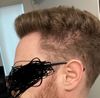
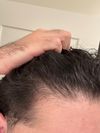
A 34-year-old male is experiencing hair loss on the sides of his head, with inflammation and itchiness, while the top remains thick. He is using topical dutasteride and keto shampoo to address the issue.
The user is seeking a knowledgeable trichologist or dermatologist in Belgium for a thorough scalp examination due to diffuse thinning and a previous diagnosis of male pattern baldness. They are interested in procedures like a trichogram and scalp biopsy.
Greasy or product-laden hair can make the scalp appear more visible, leading some to mistakenly think they are balding. Proper hair washing and avoiding heavy products can help assess true hair thickness, and treatments like finasteride are used by some for actual hair loss.
A 23 year old female who experienced Telogen Effluvium due to stress 4 years ago, but her hair is still not back to normal. She is looking for treatments such as Minoxidil and dermarolling that may help with the thinning patches in her hair.
A 31-year-old male with low normal-range testosterone and DHT is experiencing significant hair loss from the front scalp. He has tried Minoxidil, vitamin D3 and B12 supplements, and exercises regularly but is still seeking the root cause and effective treatment.
An 18-year-old male is experiencing significant hair shedding, particularly from the back of his head, despite normal blood test results except for slightly low vitamin D. A dermatologist prescribed minoxidil for receding temples, but the cause of the shedding remains unclear.
User discusses using trichosol as a vehicle for hair loss treatments like finasteride and minoxidil. They ask about others' experiences and the stability of the solutions.
Low testosterone and estradiol may contribute to hair loss, and blocking DHT without sufficient hormone levels might hinder regrowth. The discussion highlights the importance of hormone balance, with some considering supplements and lifestyle changes to support hair health.
The user has been experiencing prolonged hair shedding despite using Dutasteride, Minoxidil, and topical Finasteride, with blood tests showing high free testosterone and low SHBG. Suggestions include adjusting Minoxidil dosage, considering topical anti-androgens like RU58841, and addressing metabolic factors to increase SHBG.
The conversation is about a person experiencing hair loss, using topical minoxidil for 8 years, now at Norwood scale 3, and considering topical spironolactone and oral minoxidil after a tricho test recommendation. They are seeking others' experiences with topical spironolactone.
The user experienced increased hair loss and scalp itchiness despite using finasteride and plans to resume minoxidil and start microneedling. They are considering using clay, Aveda thickening tonic, and a beanie to manage the appearance of thinning hair.
A user with aggressive male pattern baldness found that topical melatonin significantly reduced their hair shedding to 1 or 2 hairs per day and noticed some thickening of side hair. They tried many treatments like finasteride and minoxidil with little success, but topical melatonin showed immediate results in reducing hair loss.
The user is experiencing hair loss and has been using treatments like minoxidil, finasteride, and ciclopirox olamine. Despite these treatments, they are concerned about increased shedding, dandruff, and possible additional hair loss conditions.
A 25-year-old male experienced significant hair loss due to telogen effluvium and androgenetic alopecia. He began using finasteride, minoxidil, and vitamins, seeing some regrowth but remains worried about hair density.
The individual has experienced a sore, stiff, and itchy scalp with hair loss for 4.5 years, and has noticed increased thinning and miniaturized hairs, especially at the temples. They have tried ketoconazole shampoo without success and are considering finasteride for treatment.
The user is experiencing chronic folliculitis with scalp sores and is concerned about a receding hairline. They have tried various treatments including antibiotics, Nizoral 2% shampoo, and lifestyle changes, but are seeking further advice.
A 30-year-old woman with a history of anemia and low vitamin D experienced hair shedding, which improved after addressing nutrient deficiencies. Despite regrowth of terminal hairs, her dermatologist recommended treatments like minoxidil and spironolactone to prevent future bald spots, but she is cautious due to family history of hormone-related cancers.
Minoxidil, PRP, low-level light therapy, stem cell therapy, mesotherapy, Acell, and microneedling are discussed as treatments for thickening fine hairs in NW5 hair loss sufferers. A hair transplant may be necessary for significant improvement.
A non-binary individual experienced hair loss after stopping hormone replacement therapy and is using oral Dutasteride, oral Minoxidil, and ketoconazole shampoo. They are hopeful for regrowth but may use wigs due to the high cost and uncertain effectiveness of additional treatments like mesotherapy and PRP.
A 33-year-old man experienced diffuse thinning and hair shedding due to sleep deprivation and low testosterone. After starting hCG treatment, he noticed hair regrowth on his temples.
The user noticed increased hair loss over the past three years and is seeking advice. A suggestion was made to consult a dermatologist or trichologist and consider blood tests, particularly for vitamin D levels, to address potential androgenetic alopecia (AGA).
Hair loss treatments, ranging from topical minoxidil and finasteride to taking hormones such as estradiol or nandrolone, as well as a controversial suggestion of an orchiectomy. A hair system is also mentioned as an alternative solution.
Users discussed hair loss treatments, specifically 0.1% latanoprost with melatonin, caffeine, and biotin. Other treatments mentioned include minoxidil, finasteride, RU58841, and microneedling.
The user reports noticeable hair growth after 5 weeks using finasteride, minoxidil, dermarolling, and ketoconazole. They seek confirmation of their progress and question if they are a hyper responder.