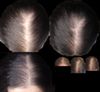
Pyrilutamide is discussed as a potential hair loss treatment, acting as an androgen receptor antagonist. The conversation questions if it can maintain hair long-term without using finasteride.
Taking dutasteride with a meal containing fat may improve absorption, but consistency in routine is more important than timing. Minor variations in absorption won't significantly affect efficacy due to dutasteride's long half-life.
Oral DHT blockers like finasteride are preferred for their ease of use, effectiveness, and long-term safety data, while topical treatments like RU58841 lack extensive safety data and can be more cumbersome to apply. Oral treatments are generally considered more effective and convenient despite potential side effects.
A 21-year-old experiencing hair loss noticed reduced hair fall and new growth after using rosemary oil and amla, but results are slow. Users suggest natural remedies may not be effective long-term and recommend consulting a dermatologist or considering finasteride for better results.
Shiseido's S-DSC hair regenerative treatment in Japan focuses on improving existing hair by thickening miniaturized follicles, not creating new ones. There is limited patient feedback and long-term data available.
Celebrities may use Dutasteride for hair loss, but Finasteride is more commonly used due to its extensive research and long-term safety. Dutasteride is considered more effective but is often used off-label or as a secondary option.
The conversation discusses hair regrowth using topical RU58841 and Minoxidil. Users suggest adding finasteride or dutasteride for better long-term results.
Microneedling, ketoconazole, and tretinoin are discussed as hair loss treatments, with tretinoin favored for its long-term benefits and potential to turn minoxidil non-responders into responders. Microneedling is recommended for initial use, ketoconazole for dandruff, and tretinoin for continuous use due to its skin benefits.
A 24-year-old male has been using topical Minoxidil twice daily for nearly three months and is considering reducing the application to once daily. Users suggest adding finasteride or dutasteride for better long-term results and recommend combining treatments like microneedling, ketoconazole shampoo, and tretinoin for maximum effectiveness.
The user shared their two-month progress using 5% topical minoxidil and microneedling, noting significant hair growth without finasteride. Other users discussed the effectiveness and side effects of finasteride, with some suggesting adding it for better long-term results.
The user shared their two-month progress using 5% topical minoxidil and microneedling without finasteride, noting significant hair growth. Other users suggested adding ketoconazole shampoo and discussed microneedling depths, while some expressed skepticism about long-term results without a DHT blocker.
The conversation discusses the use of finasteride for hair loss treatment and addresses misconceptions about its use in hormone replacement therapy. It also touches on the safety and long-term effects of finasteride, with some users expressing skepticism and others defending its safety profile.
For early hair thinning, users suggest starting with finasteride alone and considering minoxidil later if needed. Some users advise against minoxidil due to long-term dependency, while others recommend scalp massages and alternatives like red light therapy.
Many people are switching from Finasteride to Dutasteride for hair loss treatment, believing Dutasteride to be more effective and sometimes experiencing fewer side effects. Some users report initial shedding with Dutasteride but suggest it may lead to better long-term results, while others experience side effects or choose to combine treatments like Minoxidil.
Finasteride and minoxidil are effective for hair loss, with many users finding them manageable as part of a daily routine. Costs can be reduced by purchasing generic versions, and while some users express concerns about long-term use, most agree the benefits outweigh the inconvenience.
An 18-year-old is seeking advice on hairstyles to manage and conceal thinning, fine hair. They are looking for a style that boosts confidence and addresses their long-standing insecurity.
A 24-year-old male shared two months of progress using topical minoxidil twice daily for hair loss, noting slight improvements. Other users suggested adding finasteride to maintain results long-term.
PP405 may promote short-term hair growth by pushing follicles into the growth phase, but concerns exist about long-term effects due to lack of rest phases. Users discuss various treatments like finasteride, minoxidil, spironolactone, alfatradiol, and investigational drugs like KX-826 and GT20029 for hair maintenance and regrowth.
PP405 may help with hair regrowth, especially when combined with minoxidil and finasteride, but its long-term effectiveness is unclear. Phase 3 trials are expected to begin soon, with results in a few years.
PP405 shows promise in stimulating new terminal hair growth by activating dormant follicles, with no systemic adverse effects observed in a short-term trial. However, long-term efficacy remains unproven, and further trials are needed to confirm its potential as a hair loss treatment.
PP405 is being discussed as a potential new approach to hair loss by targeting follicle stem cells, suggesting a different mechanism from existing treatments like finasteride and minoxidil. However, there is skepticism about whether it will lead to meaningful long-term outcomes or follow the pattern of previous treatments that showed promise but lacked consistent results.
The user treats hair loss with dutasteride, minoxidil, and tretinoin for about £280 a year by using dutasteride weekly due to its long half-life, while using minoxidil daily. Concerns about the shelf life and absorption of topical treatments were discussed, with some users suggesting alternative sources for these products.
Switching from finasteride to dutasteride can improve hair regrowth with fewer side effects for some users. Concerns about shedding, lack of improvement, and the long-term safety of oral minoxidil remain.
Young people are using hair loss treatments like finasteride and dutasteride without having hair loss, influenced by social media trends. Concerns are raised about the potential long-term effects of taking these medications at a young age.
Testosterone can still cause hair loss even when DHT is blocked by dutasteride, especially if hair follicles are sensitive. Topical treatments like RU58841 or pyrilutamide may help, but their long-term effectiveness is uncertain compared to dutasteride.
A user shared their 11-month experience using a 272 diode red light hat for hair loss, noting decent results despite inconsistent use and no medication. Another user suggested that real treatment like minoxidil or finasteride is necessary for long-term hair maintenance.
The user seeks advice on booking a dermatologist in the UK for hair loss treatment. They mention long wait times through a GP and inquire about private options in London.
Breezula's phase 2 showed reduced efficacy after 6 months, but phase 3 had positive results, causing confusion about any changes made to the drug. There is frustration over the long timeline for hair loss treatments, with some users expressing more interest in other potential treatments like GT-20029.
The conversation discusses whether to wait for Breezula while using topical minoxidil to avoid side effects from finasteride. It mentions Breezula's potential release in a year and its cost and long-term use considerations.
The user stopped using finasteride due to side effects and switched to RU58841, which seems to be working for hair regrowth. They are considering RU58841 and minoxidil as long-term treatments, while others discuss the safety and effectiveness of these options.