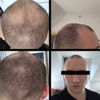
A 31-year-old man successfully used oral minoxidil and finasteride for hair regrowth over eight years, experiencing minimal side effects like initial shedding and increased body hair. He credits these medications for preserving his hair despite a family history of baldness.
The user started using topical finasteride three days ago alongside minoxidil and is experiencing testicular pain, which they believe is a nocebo effect. They are anxious about the dosage and seeking advice on whether increasing the application frequency affects the overall dosage.
Oral minoxidil combined with finasteride can improve hair density, but long-term safety is uncertain due to potential side effects like heart and kidney issues. Users report mixed experiences, with some experiencing side effects and others finding it effective for hair maintenance.
A 19-year-old is experiencing rapidly progressing male pattern baldness and is unsure whether to start Minoxidil now or wait until they can access Finasteride. They currently use Ketoconazole shampoo and are concerned about the long-term commitment and potential shedding associated with Minoxidil.
Over 5 years, the user saw hair improvement using finasteride and dermarolling, but experienced hair loss with weightlifting. Recently increased finasteride dose and is more careful with dermarolling, but is not considering minoxidil.
The conversation discusses using a combination of redensyl, capixyl, and procapil (RCP) for hair loss, with some users also mentioning minoxidil and finasteride. Users shared mixed experiences, with some suggesting "RevivHair Max Hair Stimulating Serum" for better results, while others reported no noticeable effects from using products like The Ordinary Multi-Peptide Serum.
A 24-year-old male with diffuse thinning has been using finasteride for two years, dutasteride for 6-7 months, and oral minoxidil for 5 months, along with topical treatments. He plans to continue this regimen and reassess in August 2026, hoping to stabilize hair loss without surgery.
Long-term finasteride use typically slows hair loss, with some users experiencing side effects like sexual dysfunction and depression. Many users also use minoxidil and dutasteride for improved results, though individual responses vary.
Long-term finasteride users report maintaining or regrowing hair, often using additional treatments like minoxidil, low-level laser therapy, and ketoconazole shampoo. Most experience minimal side effects, though some report issues like erectile dysfunction.
Long-term efficacy of dermarolling with minoxidil is discussed for hair loss treatment. User can't use RU, Fin, or topical Fin due to side effects and considers using finasteride with an aromatase inhibitor as a last resort.
RU58841 for hair loss, with users discussing sources, effectiveness, and side effects. Some users report side effects and question the long-term safety of RU58841.
People switching from Finasteride to Dutasteride after long-term use of finasteride and their results, including hair maintenance and increased thickness.
PP405 may revive dormant hair follicles but is unlikely to help with long-term baldness where follicles are replaced by scar tissue. It is seen as a potential adjunct to treatments like minoxidil and finasteride, but its effectiveness on deeply fibrotic or scarred areas is doubtful.
Long-term finasteride users report that the drug may lose effectiveness over time, with some considering switching to dutasteride or adding minoxidil to their regimen. Many users suggest hair transplants or adjusting treatments to manage hair loss progression.
Long-term use of oral minoxidil and finasteride can effectively maintain hair and prevent hair loss. Some users also discuss using dutasteride and note potential side effects like testicle pain.
A long-term finasteride user is considering switching to dutasteride due to hair loss progression. Users share experiences with switching, noting side effects and varying effectiveness, with some experiencing shedding and others maintaining their hairline.
A long-term finasteride user is considering adding minoxidil to address hairline thinning. They plan to use minoxidil foam due to a propylene glycol allergy and currently use Nizoral for mild dandruff.
A long-term finasteride user experienced side effects like sexual dysfunction, dry eyes, muscle weakness, and brain fog, which improved when they stopped the medication. They decided to stop finasteride again, questioning if maintaining hair was worth the negative impact on their well-being.
Pyrilutamide's long-term stability is uncertain, with potential degradation after 8-9 months if not stored properly. It's recommended to use fresh batches and store them in a cool, dark place.
Microneedling's long-term effects on hair loss are uncertain, with concerns about scarring and the need for continued use of minoxidil and finasteride to maintain gains. Finasteride does not sustain minoxidil-regrown hair without ongoing minoxidil use, and microneedling alone shows limited evidence of effectiveness.
A user with long-term hair loss has been using topical minoxidil, finasteride, RU58841, ketoconazole, and dermastamping for 8 months. They are unsure if the new hairs are miniaturized or vellus.
The conversation discusses long-term hair loss treatment, with one person seeing hair darkening after 3 years using Minoxidil, Finasteride, and Dutasteride, and others sharing their shorter-term experiences with similar treatments. They emphasize that hair regrowth takes time and to not expect quick results.
A user shared their long-term struggle with hair loss and various treatments, including Minoxidil, biotin, and dermarolling. They also discussed a disappointing experience with a hair health institute that provided dubious recommendations and expensive remedies.
A woman discovered her long-term hair loss was due to undiagnosed anemia, with ferritin levels as low as 9. After starting iron supplements, she saw significant hair regrowth, especially in previously bald areas, though some spots remain unchanged.
The conversation discusses the long-term results of using finasteride, RU58841, and minoxidil for hair loss, with some skepticism about the truthfulness of the results and a reference to a scam involving RU58841.
Finasteride is more effective for long-term hair maintenance by addressing the root cause of hair loss, while minoxidil acts as a growth stimulant with faster visible results. Combining both treatments is optimal, with oral minoxidil often showing better results for some individuals.
Exosomes are not effective for long-term hair regrowth, with users reporting temporary improvements or no noticeable change. Effective treatments include Dutasteride, Finasteride, Minoxidil, and RU58841, with other options like CB-03-01 and Fluridil offering limited benefits.
A 19-year-old is concerned about long-term microneedling for hair loss and is unsure if it will remain effective as they age. They experienced side effects from topical finasteride and are considering whether to try it again in the future, while also dealing with body dysmorphia and stress.
The conversation discusses the potential long-term effects of stopping finasteride after extended use, with differing opinions on the existence and prevalence of post-finasteride syndrome (PFS). Some users report persistent side effects, while others argue that such effects are rare or unrelated to the medication.