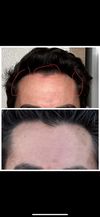
Oral minoxidil treatment increased hair density and shaft caliber in AGA patients. Sideeffects included hypertrichosis and lower extremity edema, with younger patients experiencing fewer sideeffects.
A 26-year-old is considering embracing baldness after mixed results and sideeffects from using dutasteride, minoxidil, and finasteride for hair loss. Suggestions include trying new hairstyles, considering a hair transplant, or focusing on self-acceptance.
RU58841 is discussed as an effective hair loss treatment, with some users experiencing regrowth and reduced shedding, but concerns about safety and sourcing are raised. Users advise against purchasing from Amazon, recommending reputable sources and cautioning about potential sideeffects like cardiovascular issues.
Minoxidil is effective for hair growth but may not provide lasting results without addressing DHT, which finasteride or dutasteride can help with. Users report mixed experiences with sideeffects from these treatments, including acne and itching from minoxidil.
Doctors recommend starting with minoxidil for hair loss due to its lower risk of sideeffects compared to finasteride. Some believe finasteride should be used early to address the root cause, but a conservative approach is preferred by medical professionals.
A user stopped using minoxidil due to severe sideeffects and experienced rapid hair loss. They also tried finasteride and dutasteride but faced adverse reactions, leading them to consider accepting hair loss and exploring options like oral minoxidil or a hair transplant.
The user switched from finasteride to dutasteride and oral minoxidil after experiencing sideeffects and worsening hair on finasteride. They report improved hair health with dutasteride and oral minoxidil, noting no sideeffects with dutasteride.
A person has been using 1mg Finasteride for 20 years with no sideeffects but is now noticing temple thinning and is considering oral Minoxidil, despite concerns about heart health and body hair growth. They are consulting a doctor about possibly taking 1.25 to 2.5 mg of oral Minoxidil.
A 30-year-old man is considering quitting Finasteride due to sexual sideeffects, including reduced libido and difficulty reaching orgasm, despite its effectiveness in treating hair loss. He is exploring other factors like relationship issues and potential low testosterone, and is considering getting blood work done.
A user stopped finasteride after 15 years due to severe sideeffects, which improved after quitting. They maintained most of their hair and are considering alternatives like topical treatments or RU58841.
Oral minoxidil and finasteride effectively improved hair growth and stopped hair loss, with no major sideeffects. The user switched from topical to oral minoxidil, added finasteride, and later transitioned to dutasteride, experiencing regrowth and thicker hair.
Finasteride may take over two years to show results and can cause sideeffects like sexual dysfunction and emotional changes. Alternatives such as dutasteride and minoxidil are discussed, with varying effectiveness and sideeffects.
The FDA warned that topical finasteride can cause serious sideeffects like sexual dysfunction and brain fog, similar to oral finasteride. Compounded topical formulations pose additional risks due to lack of regulation.
The user started taking 1.5mg of finasteride daily but experienced sideeffects and adjusted the dosage. They also added minoxidil with a derma roller to improve hair regrowth.
A 22-year-old male has been using finasteride for 4 months without major sideeffects but is concerned about hormone test results showing low SHBG and high estrogen. He plans to consult a doctor and is considering alternatives like minoxidil or topical finasteride to avoid health issues.
Oral minoxidil is claimed to be more effective and easier to use than topical minoxidil, with a 100% response rate, but it may cause unwanted body hair growth and has potential heart-related sideeffects. Topical minoxidil is less effective for many due to enzyme limitations, can cause scalp issues, and is more challenging to apply, but it avoids systemic sideeffects.
Oral minoxidil can boost hair growth but may cause sideeffects like heart palpitations and increased body hair. Many prefer topical minoxidil due to fewer sideeffects.
User is impressed with 3-month progress using Hims oral finasteride, minoxidil, and biotin. Encouragement to view hair loss treatment as a long-term strategy.
Topical dutasteride may be effective for hair loss by staying in the scalp and minimizing bloodstream absorption, potentially improving hair results and reducing sideeffects. The user seeks advice on its effectiveness.
A user is trying fluridil/topilutamide for hair loss and experiencing sideeffects like pain in the testicles and genital discomfort. They previously had adverse effects with finasteride, dutasteride, and RU58841, and are considering other treatments like topical dutasteride and spironolactone for maintenance before a hair transplant.
The conversation discusses the effectiveness of Dutasteride (DUT) and Finasteride (FIN) for hair loss. Users share varied experiences, with some finding DUT more effective and others experiencing sideeffects or no change, highlighting that individual responses can vary.
The conversation discusses the effectiveness of finasteride and dutasteride in treating hair loss, emphasizing that significant results often take 12-18 months or more. Dutasteride is generally considered superior, with similar or fewer sideeffects than finasteride, but patience is required for noticeable improvement.
User is scared to start finasteride for hair loss due to potential sideeffects and personal concerns. Another user suggests trying a low dose for 6 months and avoiding online groups to reduce anxiety.
Topical dutasteride is more effective than oral finasteride for male pattern hair loss, with fewer sideeffects. Some prefer oral treatments for convenience, while others use topical solutions like minoxidil and dutasteride, sometimes with microneedling, for better results.
Dutasteride reduces DHT more effectively than finasteride, but finasteride is more commonly used and approved for hair loss. Users have mixed opinions on dutasteride's effectiveness, with some experiencing better results and others facing sideeffects or no improvement.
Minoxidil is more effective when combined with retinoic acid, such as tretinoin or tazarotene, enhancing hair growth. Some users experience significant regrowth, while others see minimal effects or sideeffects.
The conversation humorously suggests using immunosuppressants like ciclosporine and oral minoxidil for hair regrowth, with a satirical plan involving hair transplants from family members. It highlights the sideeffects and impracticality of such treatments, emphasizing the post's satirical nature.
Dutasteride is more effective than finasteride for hair loss, with optimal dosing at 0.5mg once or twice a week to minimize sideeffects. Topical application may further reduce sideeffects while effectively lowering scalp DHT.
This conversation is about the effectiveness of Finasteride and Minoxidil as treatments for hair loss, with SnooBooks5080 claiming positive results from using both medications. However, other participants in the conversation caution that there are potential sideeffects to be aware of when taking Finasteride and advise people to do their research before making a decision.