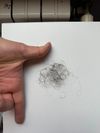
A user is experiencing hair loss despite using finasteride, minoxidil, microneedling, tea tree oil, and nizoral. They are considering switching to dutasteride due to an upcoming move to Japan.
A 20-year-old lost significant hair after one year of treatment, using minoxidil, finasteride, and later dutasteride. They are considering adding RU58841 but are advised to return to finasteride and minoxidil for a year before deciding.
A user lost 60% hair density in 4 months, started finasteride and microneedling, and has greasy, flaky, yellowish scalp. They are awaiting biopsy results, and another user suggested trying ketoconazole shampoo.
A 28-year-old woman is struggling with Female Pattern Baldness and has tried various treatments, including Minoxidil and Spironolactone, without success. She feels frustrated with doctors' responses and is considering alternative treatments like light therapy but is losing hope in finding a solution.
The user has been using topical Minoxidil 5% twice daily and Dutasteride 0.5mg nightly for hair regrowth, seeing improvement but recently lost the progress and is seeking reassurance on whether the hair will grow back and the time it might take.
A user is experiencing renewed hair loss despite using minoxidil and finasteride for two years and is considering options like dutasteride, increasing finasteride dosage, or starting microneedling. Respondents suggest waiting another month before making changes, consulting a dermatologist, and potentially adjusting the treatment regimen.
A user reported losing hair after 7 months of using oral minoxidil, finasteride, and dutasteride, but others reassured that this is likely just a shedding phase where old hairs fall out to make way for new growth. Some users experience sheds every 7-8 months and suggest staying consistent with treatment.
A teenager started balding at 13 and has been using minoxidil for 2 years, but the hair loss is returning. They are seeking advice on additional treatments. Another user suggests finasteride or shaving the head, and emphasizes the importance of not letting hair loss affect self-esteem and relationships.
The conversation is about coping with hair loss and includes advice on improving overall appearance and confidence. Specific hair loss treatments mentioned are not discussed.
After suffering from hair loss and Seborrheic Dermatitis for three years with no improvement from various treatments, the individual found success with COQ10 and PQQ supplements, which led to new hair growth and a healthy scalp without flare-ups. They also plan to start additional supplements recommended by a dermatologist.
User experienced hair regrowth with finasteride and minoxidil but started losing hair again after 1 year and 4 months. They ask if they should switch to dutasteride or wait longer.
22-year-old male started finasteride a month ago, experiencing increased hair loss and visible scalp. Unsure if treatment is working or if doing something wrong.
The conversation is about someone's 9-month experience using finasteride, dutasteride, RU58841, and minoxidil for hair loss. Commenters suggest that there has been slight improvement in the person's hair condition.
Hair loss treatments, specifically trying Minoxidil and finasteride combined with other methods such as microneedling and diet changes. Suggestions for coping strategies have also been offered.
A user has been taking finasteride, using a derma-roller, LLLT, and argan oil, but experienced significant hair loss at the one-year mark. They are concerned if this is a normal shedding phase or something to worry about.
A 24-year-old person who is worried about their hair loss after 14 months of taking finasteride and 11 months of minoxidil. Replies to the post suggested sticking with their current regimen, that shedding from one part may not be telogen effluvium, and that shedding is normal with these drugs and they should evaluate in two to three months.
User experiencing hair loss on dutasteride; others suggest shedding is normal and to track progress with pictures. Some mention using RU58841 for improvement.
User losing hair for 3 years tried shampoos, minoxidil, derma rolling, finasteride, and Adegen's 15% minoxidil protocol without success. Another user suggests lowering finasteride dosage and trying topical non-steroidal anti-androgens like Fluridil, RU58841, and Breezula.
The user is experiencing severe hair thinning and is using multiple treatments including topical finasteride, minoxidil, tretinoin, latanoprost, oral minoxidil, dutasteride, saw palmetto, and derma wounding. They are considering adding RU58841 and are contemplating a hair transplant and exosomes due to frustration with current results.
A female, aged 17-18, is experiencing significant hair loss, feeling hopeless despite trying various treatments like leave-in conditioners, omega-3s, supplements, sulfate-free shampoo, and biotin. She is distressed as her hair continues to thin, affecting her body image and self-esteem.
Switching from liquid to foam minoxidil led to hair loss for OP, possibly due to a second shedding cycle. OP experienced allergic reactions to propylene glycol in the liquid form, causing dandruff and itchiness, which improved after switching to foam.
A 22-year-old male has been experiencing widespread hair loss for over four years, including pain and significant shedding. Treatments tried include ketoconazole shampoo, fluocinonide topical solution, biotin, ACV, and dry shampoo, but none have been effective.
A user shared their journey of improving their overall appearance and health after starting to lose hair at 21, which led them to adopt a healthier lifestyle, including better dental hygiene, dieting, and exercise. They used biotin, Rogaine, and finasteride to combat hair loss and emphasized self-improvement despite the possibility of still losing hair.
A 20-year-old is experiencing hair loss and is using finasteride, ketoconazole, and topical minoxidil. They suspect retrograde alopecia due to hair loss on the sides and nape, despite noticing some hair thickening on top.
Hair loss treatments include topical and oral minoxidil, low-level laser light therapy, and peptide serums. Bryan Johnson avoids finasteride and dutasteride due to potential side effects, focusing instead on his own protocol with these treatments.
A 31-year-old man feels depressed due to hair loss, using topical finasteride and previously tried minoxidil. Others suggest treatments like finasteride, minoxidil, hair transplants, or embracing baldness, highlighting the importance of mental health and self-acceptance.
Hair loss treatments like Breezula and PP405 are delayed, with approvals taking years, while existing treatments like minoxidil and finasteride remain popular. New treatments like Clascoterone and Veradermics are in trials, but high costs and lengthy approval processes slow their release.
Hair loss treatments like Minoxidil, finasteride, and potential mRNA therapies are discussed. There is skepticism about targeting specific genes due to the complex genetic nature of hair loss.
Hair loss treatments are being tested on mice, with methods like minoxidil and stem cell therapy showing promising results. However, human trials are still years away, leading to humorous frustration about mice benefiting first.