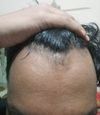
Hair loss progress discussed with 4.5 months on topical fin (0.025% liposomal). User uses rosemary oil for scalp health, and others think there might be some thickening or maintenance.
The conversation discusses hair loss and the ineffectiveness of a treatment called pyrilutamide, with one user experiencing negative results and questioning the product's authenticity.
Hair loss treatments, specifically about the effectiveness of RU58841 compared to Pyrilutamide. Molecular weights and side effects were discussed in terms of efficacy and cost-effectiveness.
Hair loss discussion includes Pyrilutamide, Minoxidil, and Finasteride. One user shares 3 weeks of Pyrilutamide use with no side effects, unsure of product legitimacy.
Hair loss therapies focusing on hair follicle sugar metabolism and aldose reductase. Potential treatments include magnesium supplements, avoiding high glycemic index foods, and antioxidants.
A user shared progress pictures after one year of using minoxidil with no side effects, asking about their collagen. Another user commented on the genetic aspect of hair loss.
A 28-year-old is experiencing hair loss despite using treatments like oral minoxidil, finasteride, and high-dose dutasteride (2.5 mg). They suspect lichen planus might be contributing to the issue and plan to continue treatment while monitoring progress.
RU58841 is effective for long-term hair loss treatment, often used with finasteride or dutasteride for better results. Users report varying experiences with side effects and effectiveness, with some noting improvements and others experiencing shedding or needing to adjust dosages.
The user experienced thicker hair and less hair loss after using topical finasteride (0.5%) and minoxidil (5%) foam for four months, with minimal side effects compared to oral finasteride. They also use a derma needler and injectable testosterone, noting no increased hair loss despite higher testosterone levels.
Topical spironolactone is discussed as a hair loss treatment, with concerns about its effectiveness and side effects compared to finasteride and minoxidil. Users mention its unpleasant smell, potential systemic absorption, and suggest alternatives like pyrilutamide and alfatradiol.
Concerns about hair loss treatments like finasteride and minoxidil not being administered during a coma. Dutasteride remains in the system longer, and hair loss may not be immediate if treatment stops temporarily.
Clascoterone is being discussed for hair loss, but its current acne formulation may not be suitable for scalp use due to potential skin irritation and lower dosage compared to Breezula. Users mention other treatments like finasteride, minoxidil, and pyrilutamide, with some expressing skepticism about clascoterone's effectiveness for hair loss.
The conversation discusses hair loss treatments, focusing on the use of peptides, injections, and topical applications like Minoxidil foam. Users debate the effectiveness of different methods, with some advocating for injections and others supporting topical treatments.
Bee venom at 0.001% concentration was more effective than 2% minoxidil in promoting hair growth in mice, possibly due to increased growth factors and reduced inflammation. Caution is advised due to potential allergic reactions and the reliance on animal data.
Breezula's potential as a hair loss treatment is debated, with some seeing promise despite delays, while others suggest alternatives like Pyrilutamide. Breezula is compared to topical finasteride, with hopes for a better side effect profile.
Hair loss is linked to cellular physiology and the IGF-1 to TGF-B1 ratio, not just androgen sensitivity. The theory lacks evidence, while finasteride and minoxidil are effective treatments.
Hair loss treatments like finasteride, dutasteride, minoxidil, and RU58841. Users discuss "DHT itch" at receding hairlines and suggest using dutasteride or ketoconazole shampoo for relief.
The user treated hair loss with a combined topical solution of Minoxidil and Finasteride, adjusting the dosage over time. They documented progress with photos, focusing on consistent application to sensitive scalp areas.
The conversation discusses various hair loss treatments, including minoxidil, finasteride, latanoprost, tretinoin, dutasteride, and cetirizine, with concerns about effectiveness, cost, and potential side effects. Users express skepticism about the product's price and the combination of multiple compounds.
A 22-year-old is using a hair loss treatment stack of 5% topical minoxidil, 0.1% topical finasteride, and oral minoxidil. They are avoiding oral finasteride due to concerns about side effects and hope this combination will stop thinning and promote regrowth.
People are discussing making their own PP405 for hair loss treatment using JLX069 and DMSO. There is skepticism about the safety and effectiveness of this homemade solution, with some users expressing concerns about potential risks.
The conversation discusses various hair loss treatments, including Minoxidil, Dutasteride, Finasteride, and Tretinoin, with users sharing personal experiences and side effects. It reflects on generational attitudes towards hair loss and the emotional impact of hair loss remedies.
Topical dutasteride is considered for hair loss, but concerns about systemic absorption and side effects like reduced libido are common. Users have mixed results, with some preferring oral finasteride or dutasteride despite side effects, while others find topical treatments beneficial but challenging.
The conversation discusses hair loss treatments, specifically using topical finasteride and minoxidil combined with microneedling, along with supplements like collagen, vitamin C/D, and saw palmetto. The user also mentions using a DHT-blocking shampoo and experimenting with cold showers and contrast therapy for hair health.
A teenager experiencing hair loss is using minoxidil, a derma roller, and plans to add ketoconazole shampoo to their routine. They are advised to continue this regimen consistently for at least six months to see results, with the shedding being a normal part of the process.
Hair loss treatments like finasteride, minoxidil, and dutasteride work but have side effects. A permanent cure is still not available due to the complexity of hair loss and limited investment.
Hair transplants and hair loss treatments like oral Fin and Min are discussed, with some humor about public figures' hair. Missing a single day of these treatments typically has little impact, but longer gaps can affect results.
The conversation discusses a hair loss treatment regimen involving a homemade topical solution of Minoxidil and Tretinoin, combined with Finasteride and microneedling. Users share advice on Tretinoin application, emphasizing gradual use to avoid skin irritation.