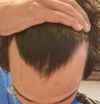
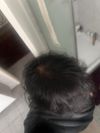
Hair loss treatments, including minoxidil, dermarolling, finasteride, dutasteride, hair transplants, hair systems, and shaving the head. The conversation covers various opinions on these treatments and mentions possible side effects as well as alternatives like wigs, vitamins, and lifestyle changes. The post expresses disappointment that there has been no major breakthrough in the field of hair loss treatments despite decades of research.
A 20-year-old female is experiencing hairline loss and seeks effective natural remedies or affordable drugstore treatments. She has tried flax seeds and aloe vera without success.
A 23-year-old is experiencing hair loss, primarily at the top middle of the head, and is considering finasteride but is hesitant due to potential side effects. Other users share their positive experiences with finasteride, suggesting it is worth trying, while also discussing the importance of researching and monitoring for any side effects.
Hair loss shouldn't dominate your life; focus on confidence and social aspects. Celebrities like Theo James, Henry Cavill, and Ryan Reynolds also experience hair loss but remain attractive and successful.
The conversation discusses affordable hair loss treatments, including topical finasteride, minoxidil, tretinoin, and natural remedies like castor and peppermint oil. Specific treatments for hair loss are the focus.
Hair loss treatments, specifically the use of Alfatradiol as an over-the-counter topical 5AR inhibitor that has been shown to be effective in stopping hair loss without side effects. Other treatments discussed include Minoxidil, finasteride and RU58841.
A 23-year-old feels devastated by hair loss despite using Minoxidil and finasteride since age 18, and is advised to embrace baldness, improve physical fitness, and consider hair systems. The conversation emphasizes self-acceptance, confidence, and exploring new interests to improve mental well-being.
The conversation is about seeking non-medication hair loss treatments that don't affect fertility. Suggestions include microneedling and ketoconazole shampoo.
An 18-year-old male with high insulin resistance and overweight issues is experiencing hair loss and has tried treatments like Minoxidil, Finasteride, and keratin supplements. He is receiving conflicting advice from doctors in Saudi Arabia and India, with some recommending expensive transplants and therapies, raising concerns about their motives.
The user is experiencing scalp irritation and increased hair loss while on vacation, possibly due to hard water and sun exposure. They have stopped using a minoxidil and finasteride spray due to burning sensations and are using a prescribed betamethasone and salicylic acid solution along with ketoconazole shampoo.
A 29-year-old male experienced significant hair density loss in 18 days despite using Finasteride and Minoxidil consistently for years. He suspects the change in brands or other factors like shedding or androgenetic alopecia might be responsible and is seeking advice.
Pyrilutamide is discussed as a potential hair loss treatment, acting as an androgen receptor antagonist. The conversation questions if it can maintain hair long-term without using finasteride.
The user experienced hair loss after using minoxidil and plans to document their recovery over six months with bi-weekly photos. They aim to regain their hair by following specific routines.
A permanent hair loss solution could involve reprogramming hair follicles to resist DHT using mRNA and siRNA. However, high costs, safety concerns, and the pharmaceutical industry's preference for ongoing treatments over one-time cures are major obstacles, with finasteride and minoxidil remaining standard treatments.
A 22-year-old is experiencing worsening hair loss despite using a doctor-prescribed serum and shampoo. They are seeking advice on additional treatments like Minoxidil, finasteride, or RU58841.
A 20-year-old male has been experiencing hair loss since age 16 and has tried various treatments including topical minoxidil, topical and oral finasteride, and oral dutasteride with minoxidil, but has not seen significant improvement. He is currently using 1.5mg dutasteride and 5mg oral minoxidil daily, along with derma penning, and is seeking advice on regrowing hair to avoid using hair fibers.
A 20-year-old FTM individual started finasteride for hair loss with initial success but experienced increased shedding after 7 months. They are considering oral minoxidil as advised by their doctor to address the worsening hair loss.
Dutasteride is considered a powerful treatment for hair loss, potentially effective for decades, but its success depends on individual genetics and response. Combining Dutasteride with other treatments like Minoxidil, Finasteride, and RU58841 may enhance results, but outcomes vary.
Quitting smoking may improve the effectiveness of finasteride and minoxidil for hair regrowth. Smoking is harmful to hair health, potentially increasing hair loss and reducing regrowth.
The user has been experiencing worsening hair loss despite using finasteride, minoxidil, and later switching to dutasteride. Despite normal bloodwork and consulting dermatologists, the hair loss continues without improvement.
Various peptides are discussed for treating male pattern baldness, with some available for topical use like GHK-Cu and Ac-KGHK, while others remain in research stages. Users are interested in experiences and sourcing these treatments.
Finasteride users discuss the impact of creatine on hair loss, with mixed personal experiences and no definitive evidence linking creatine to increased hair loss. Some report shedding, while others see no change, and a new study suggests creatine does not increase DHT or cause hair loss.
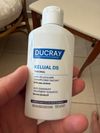
The conversation is about finding effective hair loss shampoos with active ingredients like ketoconazole, caffeine, saw palmetto, or zinc pyrithione. The user seeks recommendations on effective products, side effects, scalp sensitivity, and usage frequency.
A user shared their 5-year experience using minoxidil and finasteride, noting significant hair improvements without side effects. Consistency, a positive mindset, and lifestyle changes like a healthier diet and better sleep were key to their success.
The user tried finasteride and oral minoxidil for hair loss but stopped due to concerns about side effects. They also stopped using shampoo, which may have affected their hair loss.
The user is experiencing hair thinning at the crown and midscalp and is seeking advice. They are considering treatments like Minoxidil, finasteride, and RU58841.