A user experienced hairloss due to a folic acid deficiency and saw hair regrowth after taking a folic acid supplement. They advise checking for a folic acid deficiency before spending money on other treatments.
The post discusses a holistic, bioenergetic approach to hairloss, focusing on diet, exercise, and lifestyle changes rather than traditional treatments like finasteride or minoxidil. Key dietary recommendations include fruits, milk, potatoes, butter, coconut oil, eggs, oysters, liver, and gelatin, along with moderate exercise and lifestyle adjustments to reduce stress.
Creatine may contribute to hairloss, and users suggest avoiding it or using DHT blockers like Saw Palmetto and green tea. Some users report personal experiences of hairloss after starting creatine, while others advise focusing on consistent exercise instead.
A 19-year-old experiencing early hairloss started using finasteride to address diffuse thinning, despite concerns about potential side effects. They also use T/Gel and OGX Thick and Full shampoo, and have a dermatologist appointment scheduled to explore possible allergies.
Hairloss treatments, including minoxidil, dermarolling, finasteride, dutasteride, hair transplants, hair systems, and shaving the head. The conversation covers various opinions on these treatments and mentions possible side effects as well as alternatives like wigs, vitamins, and lifestyle changes. The post expresses disappointment that there has been no major breakthrough in the field of hairloss treatments despite decades of research.
PRP treatment for hairloss shows some evidence of effectiveness, with HT surgeons using it post-op to promote growth. Microneedling is mentioned as a cheaper alternative.
Whey protein does not cause hairloss; concerns are likely unfounded. The user is on finasteride and minoxidil but sees no improvement, so they are phasing out these treatments while continuing to work out and use whey protein.
A 23-year-old is experiencing hairloss, primarily at the top middle of the head, and is considering finasteride but is hesitant due to potential side effects. Other users share their positive experiences with finasteride, suggesting it is worth trying, while also discussing the importance of researching and monitoring for any side effects.
A woman experiencing hairloss at 30 discusses treatments like Rogaine (Minoxidil) and Spironolactone. Others share experiences with hairloss, mentioning treatments like Minoxidil, Nizoral, and scalp oils.
The user is experiencing hairloss and has tried natural remedies like hibiscus shampoo and an oil mixture with coconut oil, curry leaves, fenugreek seeds, and castor oil, but saw no lasting improvement. They are advised to consult a dermatologist and consider treatments like finasteride, minoxidil, and Nizoral shampoo.
The conversation is about the effectiveness of Ultrax Labs Hair Surge Caffeine HairLossHair Growth Stimulating Shampoo, with the original poster questioning if the positive reviews are genuine or not. No specific treatments were discussed.
The user experienced hairloss and used minoxidil, biotin shampoo, and supplements like biotin, zinc, fish oil, saw palmetto, and B vitamins, which initially stopped hairloss but did not promote regrowth. They suspect heat causes a dry, flaky scalp leading to hairloss and are considering using a supplementary shampoo and possibly finasteride.
Hairloss shouldn't dominate your life; focus on confidence and social aspects. Celebrities like Theo James, Henry Cavill, and Ryan Reynolds also experience hairloss but remain attractive and successful.
The conversation discusses affordable hairloss treatments, including topical finasteride, minoxidil, tretinoin, and natural remedies like castor and peppermint oil. Specific treatments for hairloss are the focus.
Hairloss treatments, specifically the use of Alfatradiol as an over-the-counter topical 5AR inhibitor that has been shown to be effective in stopping hairloss without side effects. Other treatments discussed include Minoxidil, finasteride and RU58841.
A 23-year-old feels devastated by hairloss despite using Minoxidil and finasteride since age 18, and is advised to embrace baldness, improve physical fitness, and consider hair systems. The conversation emphasizes self-acceptance, confidence, and exploring new interests to improve mental well-being.
A user discusses fighting hairloss without finasteride, using minoxidil, ketoconazole shampoo, saw palmetto, pumpkin seed oil, pygeum, stinging nettles, biotin, a boar bristle brush, and a derma roller. Replies suggest finasteride is necessary for effective hairloss prevention.
A 20-year old female experiencing hairloss, who has had normal blood tests and is currently using minoxidil as recommended by her doctor. She is asking if there are any other treatments she should consider.
The user is concerned about hairloss and is considering treatments like finasteride and minoxidil but is unsure about their effectiveness and side effects. They have experienced mixed reactions to shaving their head and are struggling with confidence due to balding.
The user noticed hair regrowth after 4 years of hairloss, coinciding with lifestyle improvements like quitting smoking, exercising, and a better diet. They are curious if dormant follicles can recover under improved conditions.
A new hair cloning breakthrough suggests a potential cure for hairloss, though skepticism remains about its availability and cost. Users discuss the possibility of unlimited hair grafts for transplants and express hope for future developments.
The user experienced hair shedding after starting testosterone replacement therapy (TRT) and is considering using DHT blockers like finasteride or dutasteride to address potential DHT-related hairloss. Low ferritin levels due to frequent blood donations may also contribute to hair issues, and the user is working on stabilizing iron levels.
Use minoxidil and finasteride for 1-2 years to promote regrowth and stabilize hairloss before a transplant. Long-term use of these medications is needed to maintain results and prevent further loss.
A user is developing a tool to track hair density, aiming to help those using treatments like minoxidil. They seek feedback on the tool's usefulness and are considering a low-cost model to cover expenses.
Exosome hair therapy involves injecting stem cell-derived exosomes into the scalp to boost hair follicle regeneration and repair. Exosomes, which are not stem cells but products of them, contain bioactive chemicals and specific growth factors that promote new blood vessel formation, increase cell proliferation, reduce inflammation, and improve tissue repair, all crucial for hair health.
A user experienced hair thinning after using Adapalene gel 1% for skin care, suspecting it contributed to hairloss alongside depression and anxiety. They stopped using Adapalene and switched to a Minoxidil/Finasteride formula, noticing hair improvement, while others in the conversation doubted Adapalene's impact on hairloss.
The conversation discusses using RU58841 for hairloss, with OP experiencing thinning in the front area and steady hairloss. OP plans to try microneedling while avoiding finasteride and dutasteride.
The user is experimenting with GHK-Cu and AHK-Cu to stop hairloss and promote hair growth, using a serum from Etsy and injectable GHK-Cu. They supplement this with dermastamping and ketoconazole shampoo.
GHK-Cu is discussed for hairloss treatment, with some users reporting positive results using a 4% topical serum, but concerns exist about the long-term safety of oral or injectable forms. The original poster also uses finasteride and plans to start dutasteride.
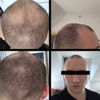

![[GHK-Cu+AHK-Cu experiment] Stopping hair loss and promoting hair growth](/images/research/a2fe9e48-31eb-4e92-a763-614a7d32f7cd/small/20559.jpg)