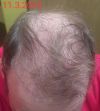
Hair loss has slowed, but uneven growth and kinking persist despite using keto/nizoral shampoo and clotrimazole. Stress and anxiety might be contributing factors.
The user replaced finasteride with saw palmetto due to availability issues and experienced side effects, leading to adjustments in their regimen. They use saw palmetto, minoxidil, Nizoral, and a dermaroller, reporting reduced side effects and some benefits, with hair fall ranging from 5 to 20 hairs daily.
Training scalp muscles to absorb more DHT is suggested as a hair loss solution, but users debate its effectiveness compared to medications like dutasteride and finasteride. Concerns about side effects of DHT blockers, such as reduced libido, are discussed, with some advocating for natural remedies like scalp massages and healthy living.
The user has been using finasteride, minoxidil, and a derma stamp for hair loss for nearly three months and is considering adding tretinoin. They are advised to be patient, as results typically take 6-12 months, and are exploring other options like oral minoxidil and dutasteride.
A user experienced no hair regrowth after using oral minoxidil, topical finasteride, minoxidil, and tretinoin, and reported side effects from oral finasteride. They are considering switching to dutasteride or using hair fibers for better results.
A trans woman is using finasteride, minoxidil, microneedling, and HRT to address hair loss, with noticeable improvement in hairline shape and presence of vellus hairs. She is considering hair transplants if these treatments don't yield desired results within a year or two.
The post is about a user who stopped using finasteride for hair loss and shaved his head, receiving positive feedback. The conversation includes discussions on side effects of finasteride, including potential fertility issues, and alternatives like minoxidil, dermarolling, and hair systems.
The post discusses the rarity of baldness among South Korean men. Users suggest this could be due to early treatment, high beauty standards, accessibility of healthcare, and genetics. Treatments like finasteride and dutasteride are commonly used, and hair transplants are also popular.
The conversation discusses using zinc sulphate and azelaic acid to inhibit 5 alpha-reductase activity, which could potentially treat androgen-related skin conditions like hair loss. Combining these with vitamin B6 could enhance the effect, potentially offering an alternative to finasteride.
Two different experiences of using Pyrilutamide, a hair loss treatment, which caused headaches that took around a week to subside in both cases. Other users offered insight into their own experiences with the treatment or suggested alternate treatments such as RU58841 and Minoxidil.
A user sharing the results of their hair transplant surgery after two years, with some commenters noting that it looks unnatural and others praising the result. Several users suggest specific treatments such as Toppik, Minoxidil, Finasteride and RU58841 to improve the look.
User wants to make homemade topical finasteride to minimize side effects and asks about using glycerin, stirring time, storage, and alternative solvents. Another user's comment is unclear.
A user shared their year-long hair loss treatment using minoxidil, microneedling, and scalp massages, reporting moderate hair growth and stabilization. They suggest starting early with less harmful methods and consider adding finasteride or dutasteride if needed.
The user started finasteride and derma rolling for hair loss, later switching to wet cupping therapy. They experienced initial shedding but reported thicker, healthier hair over time, using natural hair wash methods like Amla, Reetha, and Shikakai.
Body hair is more resilient than scalp hair due to different gene expressions and DHT sensitivity. Treatments like minoxidil and finasteride are used for hair loss, but they have varying effects on body and scalp hair.
Hair growth relies on mechanical forces, not just chemicals, with tissue acting like a motor. Minoxidil and finasteride help, but maintaining tissue elasticity and addressing mechanical issues are essential.
Diffuse thinning is often due to androgenetic alopecia, and DHT blockers like finasteride are recommended. Treatments mentioned include minoxidil, finasteride, dutasteride, and RU58841, with emphasis on starting early and using a holistic approach.
A new serum claims to enhance hair regrowth by amplifying oxygen delivery, improving the effectiveness of treatments like exosomes and peptides. Users are skeptical, questioning its efficacy compared to established treatments like Minoxidil and Finasteride.
A 24-year-old started using finasteride for hair loss after hesitating due to potential side effects, and is considering a hair transplant. Other users shared their experiences with finasteride, minoxidil, and rosemary oil, discussing effectiveness and side effects.
Hair follicle stem cells remain in bald individuals, but progenitor cells do not, raising questions about hair regrowth claims by Pelage. PP405 is discussed as a potential treatment, with skepticism about its effectiveness compared to existing treatments like Minoxidil and Finasteride.
The user experienced hair thickening and reduced shedding using minoxidil, finasteride, and dutasteride, with a switch from finasteride to dutasteride due to ineffectiveness. They also use a saw palmetto shampoo and take vitamin D3 supplements, while considering potential underlying causes like vitamin deficiencies and hard water buildup.
A user experienced significant hair regrowth after 3.5 months using topical minoxidil and weekly derma rolling. Others discussed enhancing results with finasteride, ketoconazole shampoo, and microneedling.
A 23-year-old male experiencing worsening hair loss has tried topical Minoxidil, Finasteride, Progesterone, Hydrocortisone butyrate, and Ketoconazole. He is considering switching to oral Finasteride due to concerns about side effects and lack of improvement.
Exercise has minimal impact on hair loss, with weight lifting slightly increasing DHT and cardio potentially decreasing it. Finasteride and dutasteride are effective treatments for managing hair loss, even for those who exercise regularly.
There have been no new effective hair loss treatments since finasteride, despite technological advancements. Current treatments include finasteride, minoxidil, and RU58841, with ongoing challenges and potential future solutions in research.
The user has been using finasteride for 18 years to manage hair loss and is considering starting minoxidil and possibly a hair transplant. Despite some regrowth, they are exploring additional treatments like dutasteride and oral minoxidil due to continued hair thinning.
Some people respond better to minoxidil due to higher enzyme levels converting it to its active form. Minoxidil helps with hair regrowth but doesn't prevent hair loss; finasteride and other DHT inhibitors are needed for that.
A dental technician claims malocclusion causes pattern hair loss due to poor scalp circulation. Users debate this, noting treatments like finasteride, minoxidil, and microneedling focus on DHT and blood flow.
The conversation discusses GT20029, a drug in Phase II trials that targets androgen receptors with minimal systemic effects, and TDM-105795, a growth stimulant with a different mechanism than minoxidil that may revive papilla stem cells. Both are potential new treatments for hair loss.