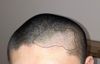
The conversation discusses choosing between different dosages of finasteride (1.25mg or 0.8mg) and minoxidil (5mg or 2.5mg) for daily use in treating hair loss.
The conversation discusses a user's plan to inject NAD+ and GHK-Cu into their scalp to improve hair health, with concerns raised about the risks of infection and necrosis. Alternatives like finasteride, dutasteride, microneedling, oral minoxidil, and scalp massages are suggested.
Finasteride, dutasteride, saw palmetto, caffeine, spironolactone, acetyltetrapeptides, tea tree oil, hydrocortisone, zinc pyrithione, latanoprost, melatonin, marine protein supplements, PRP, microneedling, and valproate are discussed as treatments for hair loss. DHT reduction and inflammation control are key strategies.
Finasteride is discussed as a hair loss treatment with benefits like reduced prostate enlargement and skin aging, but it is not seen as a "fountain of youth." Users report mixed experiences, including side effects like decreased libido and dry eyes.
Taking dutasteride daily with finasteride is more effective in reducing hair loss and itching than taking dutasteride four times a week. The combination reduces shedding and anxiety.
The user is considering reducing their finasteride dose from 2.5mg to 1.25mg to make the supply last longer and is concerned about potential changes in results. They have been using the 2.5mg dose for four months.
The user is experiencing increased hair miniaturization despite using oral minoxidil, dutasteride, and microneedling. They are considering reintroducing finasteride and adjusting dutasteride dosage.
The user reports positive results from using 0.5 mg dutasteride daily for four months and 2.5 mg oral minoxidil for three months, with no side effects. They switched from topical minoxidil to this oral combination.
A 34-year-old male, already on finasteride, is hesitant to continue minoxidil due to side effects like headaches and concerns about facial bloating and skin aging. Another user shares their experience with minoxidil causing facial bloating but hopes for hair growth benefits.
The user is experiencing diffuse thinning despite using oral minoxidil (3mg), dutasteride (0.5mg), microneedling, scalp massaging, and vitamins. Suggestions include increasing the minoxidil dose, checking for scalp conditions, and continuing current treatments.
Oral minoxidil boosted vertex hair but not the hairline, with a stack including 5mg minoxidil, 2mg dutasteride, topical foam minoxidil, fluridil, and Nizoral. Users discuss dosing strategies, with some suggesting 2.5mg twice daily for sustained levels, while others recommend 5mg once daily based on clinical trials.
A 28-year-old male experienced hair loss after COVID-19 and used Minoxidil with initial success, but later faced shedding again. He started Finasteride in February 2025, noticing improvements, but recent shedding has caused concern; his regimen includes Minoxidil, microneedling, ketoconazole shampoo, red light therapy, supplements, and a healthy lifestyle.
A 32-year-old is documenting their 3-month progress in treating hair loss using 0.5 mg dutasteride, topical and 5 mg oral minoxidil, and Ducray Anaphase+ shampoo daily. They report slight libido reduction and increased eyebrow hair but are generally satisfied with the results and considering a hair transplant after a year.
Reducing scalp DHT doesn't directly correlate with preventing hair miniaturization, as different follicles have varying sensitivity levels. Dutasteride at 0.5 mg and 2.5 mg shows minimal visual difference in hair regrowth, with side effects being a consideration for higher doses.
A 48-year-old male is experiencing hair loss despite taking finasteride for four months. He is considering oral minoxidil but is concerned about high blood pressure and is unsure about taking spironolactone.
The user has experienced significant hair regrowth using finasteride, oral minoxidil, microneedling, keto shampoo, an LLLT helmet, vitamins, and supplements. They note progress but hope for further improvement in a specific area.
Microneedling, combined with finasteride and minoxidil, appears to enhance hair growth, with users reporting noticeable improvements. The process involves using a 0.5mm derma roller, which some believe increases blood flow and stimulates hair follicles.
The user shared progress pictures of hair growth after switching to oral minoxidil and finasteride, noting improved lighting in the photos. They experienced a faster heart rate for a few weeks and a slight decrease in libido as side effects.
The user is experiencing rapid hair loss despite using dutasteride, finasteride, and minoxidil, and is concerned about high estradiol and testosterone levels. They are advised to consult an endocrinologist for potential hormonal imbalances.
A 43-year-old with a history of hair transplants and long-term finasteride use reports seeing hair regrowth after adding oral minoxidil, micro-needling, and resuming topical minoxidil. Users agree that the hair appears thicker and denser.
OP is considering using KX-826 for hair loss due to side effects from other treatments like Minoxidil and finasteride. Users discuss the risks and safety of KX-826, with some suggesting caution due to its status as a research chemical.
Switching from topical finasteride to oral Dutasteride and using Fluridil caused persistent testicular discomfort. The discomfort did not subside after stopping Fluridil, raising concerns about Dutasteride's role.
A 24-year-old male is experiencing hair loss and considering treatments like finasteride and minoxidil after noticing low levels of Vitamin D, iron, and testosterone. Users discuss the effectiveness of these treatments and the importance of consulting a dermatologist, while also mentioning potential side effects of finasteride.
DIY topical finasteride mixed with minoxidil is used due to the unavailability of pharmacy-grade options in Sweden. The user reports positive results after three months, with improved hair growth at the temples and vertex.
A user is considering starting spironolactone for androgenetic alopecia but is concerned about stopping it before pregnancy. Another user suggests trying topical treatments as an alternative.
After six months of using a 0.50mm derma roller, 5% minoxidil, and a 5000 mcg biotin supplement, the user saw hair improvement. They are considering alternatives to finasteride due to concerns about side effects.
An 18-year-old is using a high-dose treatment for hair loss, including 2.5 mg dutasteride, topical minoxidil, and injectable GHK-Cu, despite minimal hair loss. Many users suggest reducing the dutasteride dose due to potential side effects and recommend starting with finasteride instead.
Oral minoxidil can cause side effects like shortness of breath and constipation, which may be reduced by taking it in the morning. Some users experience no side effects, while others switch to topical treatments or adjust their dosage and timing to manage symptoms.
The conversation discusses the use of dutasteride and finasteride for hair loss, with a focus on starting with low doses of dutasteride to match the DHT suppression of finasteride. It highlights the longer half-life and potential side effects of dutasteride, as well as the preference for finasteride due to its availability and research backing.
A user started balding early and initially used minoxidil, which helped temporarily. They recently switched from topical to oral finasteride, hoping it will improve their hair without needing a transplant, while continuing with minoxidil and microneedling.