A user increased their RU58841 treatment from 5% to 8% to combat hair loss and is questioning the effectiveness of the higher dosage. Another user shared their extensive hair loss treatment regimen, suggesting that while 8% RU58841 might not significantly change results, it's worth trying as individual responses vary.
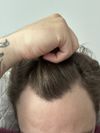
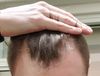
The conclusion of the conversation is that the user, djamezz, has experienced significant regrowth and improved density in their hairline by using treatments such as RU (RU58841), dut (dutasteride), and Inkey's Caffeine Scalp treatment. They are satisfied with their progress and do not plan to cut off their hair.
The user is experiencing irritation from using PG with RU58841 and is seeking alternative solutions like K&B in the UK. They report redness, itchiness, and flaky skin from the current treatment.
A 23-year-old man shared his 4-month hair regrowth progress using 1mg oral finasteride daily, 5% minoxidil with finasteride topical twice a day, multivitamins, microneedling, head massages, and ketoconazole shampoo. He's unsure of his current Norwood scale classification and is asking for help to determine it, with suggestions ranging from NW4 to NW4.5.
A user is seeking advice on purchasing RU58841 from Biolab Shop in Poland and is looking for trustworthy sources that deliver to Germany from Europe or China. They are interested in the product's composition and user experiences.
A user bought questionable RU58841 powder from AliExpress and seeks a way to test its composition in Europe. Another user suggests using Janoshik for testing.
The user experienced regrowth and stabilization in hair density using finasteride, minoxidil, a derma roller, and an LLLT helmet, but noticed a recent decline in hair quality. They only take finasteride orally and are unsure about the effectiveness of the LLLT device.
A young female diagnosed with Lichen planopilaris (LPP) experienced years of misdiagnosis and ineffective treatments, including a hair transplant and other procedures. She is considering litigation due to the misdiagnosis and has learned that LPP is chronic, hair loss can be stopped with ongoing medication, but lost hair cannot regrow.
Hair loss discussion includes LLLT treatments and a satirical condition called PLLLTS, causing patients to resemble lighthouses and attract moths. Some users express concern about others taking the satire seriously.
A user has been using a 5% RU58841 solution for hair loss without much result and is considering increasing to an 8% solution to improve outcomes. They are unsure if they should increase the concentration or wait longer for results.
Users discuss finding reliable sources for RU58841, focusing on lab tests, batch consistency, and community reputation. Some mention using alternatives like pyrilutamide.
A 30-year-old male is experiencing hair loss and is concerned about his receding hairline, seeking advice on his Norwood scale classification. He is apprehensive about using Minoxidil and finasteride as treatments.
RU58841 5% is theoretically equivalent to 2mg of dutasteride for hair loss treatment, with RU58841 offering higher potential but more variability due to absorption issues. Users discuss the effectiveness of RU58841 and dutasteride, with some preferring dutasteride for consistent results and others finding success with RU58841.
The conversation is about whether to use gloves when applying 5% RU58841 to avoid systemic absorption and if washing hands with water is sufficient. Users question the concern, noting it is applied to the scalp.
The conversation is about comparing the effectiveness of 5% RU58841 and 0.5% pyrilutamide for hair loss treatment. The user is asking if the higher concentration of RU58841 makes it stronger than the lower dose of pyrilutamide.
A 36-year-old has been using oral finasteride (1 mg daily) and topical minoxidil twice a day since September 2023, and added LLLT (helmet) to their routine 2 months ago, seeing positive changes. They also use Ketoconazole shampoo, rotate other medical shampoos, train regularly, eat clean, and manage stress.
The user is seeking a way to obtain 5mg finasteride in Germany, as local dermatologists refuse to prescribe it. They are considering online options but have only found 1mg pills available.
Lichen Planopilaris (LPP) is an autoimmune condition causing permanent hair loss and fibrosis, often misdiagnosed. Treatments include pioglitazone, topical corticosteroids, anti-inflammatory medication, and Jak inhibitors.
A 31-year-old male considering returning to finasteride at a lower dose or using topical finasteride to assess his Norwood scale for a potential future hair transplant. He previously stopped finasteride due to side effects and has been shaving his head.
The user is experiencing diffuse androgenic alopecia and is trying various treatments, including 5mg finasteride, loniten, and Formula 82D, which contains dutasteride, a steroid, and tretinoin. They report potential regrowth with Formula 82D, despite previous treatments being ineffective.
The conversation is about the best vehicle for RU58841, comparing trichosol and Garnier/Vichy Stemoxydine, avoiding propylene glycol (PG) or ethanol due to previous scalp damage. The user is also seeking sources for these products in the EU.
A user improved their hair loss from NW3+ to NW1.5 over three years using a regimen of dutasteride, finasteride, Nizoral, biotin, and collagen. They experienced some side effects and adjusted dosages over time, and noted additional benefits like better skin and muscle gain.
Low-level laser therapy (LLLT) is discussed as a supplementary treatment for hair loss, with users recommending brands like LaserCap, Ideatherapy, Capillus Pro, and iRestore Pro. Users suggest combining LLLT with treatments like minoxidil and finasteride for better results.
Norwood 7 hair loss is often excluded from trials to ensure treatments appear more effective and to reduce costs. Some believe treatments effective for Norwood 5 could work on Norwood 7, but companies prioritize market readiness.
Low-Level Laser Therapy (LLLT) for hair loss is effective but requires consistent use and device replacement every 1-2 years. The treatment is costly, and results may not be permanent without continued use.
Actifolic RU-58841 powder and GhK-Cu peptide were tested and found to be accurate. The user is satisfied with the product's authenticity for hair loss treatment.
The conversation is about finding high-purity RU58841 solutions for hair loss treatment, with mentions of Anagenic, Selleckchem, MV Supplement, and rudirect.co.uk as potential sources. Users discuss their experiences and preferences regarding product quality and shipping.
PP405 is a safer alternative to JXL069 for hair loss treatment because it penetrates the skin effectively and degrades in the blood, avoiding systemic toxicity. JXL069, when forced into the body, can cause dangerous side effects like lactic acidosis due to its inability to degrade safely.
The conversation is about a user assessing their hair loss as Norwood 1.5 and discussing their use of oral minoxidil and finasteride for 2.5 years, which improved their hair density. They are content with their current progress but hope to reach Norwood 1.