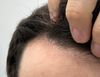
The user is experiencing severe side effects from finasteride, including sleep issues, depression, and gynecomastia, and is considering stopping the medication. They are exploring other treatments like RU58841 and dutasteride but are hesitant due to potential side effects.
New hair loss treatments like PP-405, AMP-303, and SCUBE3 are being discussed, but none are confirmed to fully restore hairlines. Current treatments like Minoxidil, Finasteride, and RU58841 are still widely used, with some hope for future advancements in hair regrowth.
A user shared their successful hair transplant experience with 2500 grafts by Dr. Ko in Korea, costing $8.7K, and mentioned using dutasteride and minoxidil post-surgery without side effects. The results were praised for looking natural, though some users questioned the graft count and photo authenticity.
A 24-year-old male using dutasteride for hair loss is worried about its effects on fertility and future children's health. Users advise consulting a doctor, possibly switching to finasteride, or stopping dutasteride before conception due to its impact on sperm count.
Melatonin is being considered as a potential treatment for androgenic alopecia, with some users discussing its effects and combining it with other treatments like minoxidil and finasteride. Concerns about melatonin's impact on hormones and side effects from other treatments like ketoconazole were also discussed.
Participants want to maintain hair until at least age 30, using treatments like finasteride, dutasteride, and minoxidil. Hair loss remains a concern, with some considering hair transplants.
Finasteride and Dutasteride can be obtained cheaply through Amazon One Medical with an Rx Pass subscription for $20/year. Users discuss various options and costs for hair loss treatments, including Blink Health and Mark Cuban's pharmacy.
A 28-year-old male using only oral finasteride 1mg since May 15, 2024, reports no side effects and significant hair improvement. He plans to continue finasteride for three more months and is considering adding D3+K2 drops, zinc, folate, and magnesium glycinate.
A user started taking finasteride for hair loss despite initial fears. Others shared their positive experiences with finasteride and dutasteride, encouraging the user.
The conversation is about someone's progress with hair regrowth using finasteride and minoxidil from December 1st to May 10th. They also mention using a topical treatment with a concentration of 0.004 per spray.
A user in their mid-40s shared a 12-month update on using finasteride for hair loss, showing significant improvement. They started seeing thicker hair and regrowth after 3 months, with no side effects noticed.
The conclusion of the conversation is that oral minoxidil has been effective in saving and restoring hair, but it may have diminishing returns as you age. It is suggested to consider using finasteride in addition to minoxidil for better results.
The post is about a user's hair transplant results after one week, with 4000 grafts implanted. The conversation includes discussions about the healing process, shedding phase, and the number of grafts used.
Accepting hair loss, and the use of medications such as finasteride, minoxidil, and microneedling to treat it. The responses provide advice and personal experiences related to coping with hair loss.
A user's experience with treating their hair loss using finasteride, minoxidil, RU58841, dermarolling, and nizoral; specifically discussing dosage levels of the medications and effects on libido.
The launch of Pyrilutamide as a potential hair loss treatment, with people discussing whether it is better than treatments like finasteride and minoxidil. Some participants have also discussed the risks associated with importing drugs from China.
Finasteride was intentionally developed to treat BPH and later approved for male pattern baldness (MPB) due to its 5AR inhibition effects. The delay in MPB approval was due to concerns about off-label use for female hirsutism and the prioritization of treating a more debilitating condition.
A person experienced severe sexual side effects, including loss of libido and erectile dysfunction, after using finasteride and dutasteride for hair loss. They stopped the medications and sought advice, but recovery was slow and uncertain.
The user experienced side effects commonly attributed to Finasteride without ever taking the drug, suggesting these issues may stem from other life factors. They advise considering other potential causes before blaming Finasteride for such side effects.
A 23-year-old with hair loss uses finasteride, minoxidil, and other treatments, considering adding dutasteride due to hairline recession. They seek advice on dutasteride's effectiveness and sourcing.
The user underwent a biopsy two years ago and was diagnosed with keratosis pilaris, leading to hair issues. They tried treatments including Minoxidil, betamethasone, lymecycline, topical Accutane, and dutasteride, as well as diet changes, without improvement in hair thickness or skin dryness.
Lichen Planopilaris (LPP) is an autoimmune condition causing permanent hair loss and fibrosis, often misdiagnosed. Treatments include pioglitazone, topical corticosteroids, anti-inflammatory medication, and Jak inhibitors.
Lichen Planopilaris (LPP), a form of permanent hair loss, which can be mistaken for seborrheic dermatitis and is characterized by scalp itching, burning, redness, and dandruff. Treatment options discussed include steroidal creams, finasteride, minoxidil, and RU58841.
A young female diagnosed with Lichen planopilaris (LPP) experienced years of misdiagnosis and ineffective treatments, including a hair transplant and other procedures. She is considering litigation due to the misdiagnosis and has learned that LPP is chronic, hair loss can be stopped with ongoing medication, but lost hair cannot regrow.
Excess sebum rich in cholesterol and triglycerides can lead to hair loss through inflammation, with treatments like Ciclopirox shampoo, Benzoyl Peroxide shampoo, and Clindamycin gel recommended for managing conditions like seborrheic dermatitis and folliculitis. Pioglitazone is suggested for Lichen Planopilaris, while Omega-3s and reducing processed foods may improve sebum quality, though genetic factors play a significant role.
A user experiencing diffuse thinning since age 18 describes their hair as unhealthy, dry, thin, and hard, with texture changes cycling between good and bad every few weeks. They are not on any medication, only taking vitamins and supplements.
Microneedling once a week at 1mm caused bumps, possibly scars, in the treated area. The user is considering cleaning the skin before microneedling to prevent this issue.
The conversation is about a user who tried dissolving a metformin pill in water for hair treatment but faced issues with hair sticking together. The user is seeking advice on preparing a non-irritating, non-sticky lotion at home, possibly experimenting with metformin and Alpha Keto glutarate.
A user with diffuse hair loss for a decade tried various treatments, including LLLT Helmet, supplements, topicals, and hair transplants. They found relief from scalp inflammation and itching using a topical solution made from crushed Xeljanz pills mixed with ethyl alcohol.