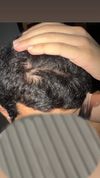
An 18-year-old male stopped using finasteride due to side effects and plans to start topical dutasteride, considering it a potential solution with fewer side effects. He continues using minoxidil despite no noticeable results and is exploring other treatments like RU58841.
The conversation is about adding a low dose of pyrilutamide to a hair loss treatment regimen. Specific treatments mentioned include Minoxidil, finasteride, and RU58841.
The user has been using a hair loss treatment including oral Minoxidil, topical Minoxidil with Tretinoin and Finasteride, and is considering adding Dutasteride but is concerned about the potential side effects and risks regarding fertility. A reply suggests that having children while on these medications should be fine, advising to avoid letting the partner come into contact with the drugs.
The conversation discusses hair loss treatments, specifically using topical minoxidil, oral finasteride, ketoconazole, and derma stamping. Users share their experiences, with one noting improved scalp health and slight regrowth, while another considers switching treatments due to lack of progress.
Pyrilutamide is officially available for purchase, and users suggest Fluridil as an alternative topical anti-androgen. Some users report positive results with pyrilutamide from Koshine.
User shared progress pictures showing significant hair regrowth using a compounded solution of Minoxidil 10%, Finasteride 0.1%, Biotin 0.2%, and Latanoprost 0.005%. They reported no side effects and are satisfied with the results.
The user has been on dutasteride and oral minoxidil for a year with no progress and is considering increasing the dutasteride dose or adding RU58841. Other users suggest consulting a doctor, trying derma needling with topical minoxidil, and note that hair loss treatments can have varying effectiveness.
The user is using dutasteride and minoxidil foam for hair regrowth, applying minoxidil once daily due to side effects from the liquid form. They plan to increase dutasteride dosage and possibly apply minoxidil twice daily, while also using ciclopirox olamine shampoo and sulfur soap.
Minoxidil can cause scalp flaking and dryness, often due to its alcohol content. Switching to foam minoxidil or using antifungal shampoos like Ketoconazole may help reduce these side effects.
A 22-year-old male experienced hair regrowth using an intermittent Dutasteride regimen, oral and topical Minoxidil, FolliHair AM/PM, and Salicia KT shampoo. He stopped Dutasteride due to side effects like dry eyes and skin, but noticed increased hair shedding after stopping.
The user experiences histamine intolerance with alcohol-based hair loss treatments like Rogaine foam and seeks alternatives. Suggestions include alcohol-free and PPG-free topical minoxidil or finasteride, and trying Spectral products with different solvents.
A user shared their hair loss treatment routine, which includes oral and topical Minoxidil, dermarolling, Keto shampoo, multivitamins, Biotin, oils, protein intake, and water. Another user suggested adding finasteride and continuing the routine for 6-12 months.
The user has been using Dutasteride 0.5mg, Biotin, and oral Minoxidil 2.5mg for 12 weeks to treat hair loss and is optimistic about future results. Others encourage consistency and express satisfaction with the progress.
User switched from finasteride to combination dutasteride and finasteride for hair density improvement. They noticed less hair shedding and more youthful skin, with a reply suggesting less DHT could increase elastin in skin.
The conversation discusses hair regrowth progress using topical dutasteride with cetirizine, laser therapy, and growth serum. The user observes miniaturized, vellus hairs on the scalp.
A 33-year-old male has been using topical finasteride, Minoxidil, RU58841, keto, and derma stamp for hair loss treatment for 3 months. He is optimistic about the promising results.
Hair loss discussion includes treatments like Minoxidil, finasteride, and RU58841. Conversation focuses on foods with sufficient procyanidin b2, such as dark chocolate and apples, and the required dosage.
The conversation discusses a botanically derived treatment for androgenetic alopecia using ingredients like saw palmetto, green tea, and evening primrose, showing impressive results over 270 days. Concerns include the study's uncontrolled nature and potential product motivation, with suggestions to enhance absorption through derma rolling.
The conversation discusses hair loss treatment using daily topical minoxidil and finasteride, daily 0.5mm dermarolling before application, and 2% ketoconazole shampoo three times a week. Users believe dermarolling enhances the absorption of the treatments and expect significant improvements over time.
Topical dutasteride may have limited absorption due to its higher molecular mass compared to finasteride, potentially affecting its efficacy in suppressing DHT locally. Microneedling might enhance dutasteride absorption, possibly offering stronger local DHT suppression with fewer systemic effects.
The user "natiggiz" shared their early progress in filling in bald patches using topical finasteride, minoxidil, RU58841, ketoconazole, and derma stamp. Other users commented on the great results and expressed jealousy.
L. reuteri, a probiotic, is being explored for its potential benefits in treating androgenic alopecia, possibly enhancing finasteride's effects and reducing inflammation. The user combines this with finasteride, oral minoxidil, and other supplements, noting some improvement in hair loss.
PP405 is a safer alternative to JXL069 for hair loss treatment because it penetrates the skin effectively and degrades in the blood, avoiding systemic toxicity. JXL069, when forced into the body, can cause dangerous side effects like lactic acidosis due to its inability to degrade safely.
The conversation discusses the use of low-dose oral minoxidil for hair loss and its potential effects on skin aging. Users shared experiences, with some noting side effects like puffy eyelids and dark circles, but no conclusive evidence of significant collagen depletion or increased wrinkles.
Tea tree oil shampoo resolved redness, itching, and increased hair thickness for the user, suggesting demodex mites as a possible cause. Nizoral was ineffective, but tea tree oil showed significant improvement over several months.
Finasteride and dutasteride have potential risks, including post-finasteride syndrome, but are commonly used for hair loss. RU58841, minoxidil, and needling are suggested as alternatives, though all treatments carry risks.
The struggles of hair loss at a young age and available treatments, such as medication (Finasteride, Minoxidil, Dutasteride, Derma Rolling) and potential options for hair systems or cloning in Japan. People discussed their own experiences with trying to cope with the emotional aspects of this condition.