The user experienced significant hairloss due to health issues and has only taken vitamins for recovery. They are seeking advice on regrowth progress after two months.
Hairloss can significantly impact confidence and mental health, but there are various treatments like finasteride, minoxidil, dutasteride, hair systems, and lifestyle changes that may help. It's important to maintain hope and focus on what can be controlled, as different solutions work for different people.
The user has been experiencing continuous hairloss despite using finasteride, minoxidil, and dermastamping. They are seeking advice on what to do next.
OP shares their experience with PCOS-related hairloss, highlighting that addressing vitamin D and ferritin deficiencies, managing hormones with spironolactone, and using gentle hair care products helped improve their condition. They advise against relying on "miracle" hair oils and emphasize the importance of medical evaluation and a combined approach to treatment.
The conversation discusses the potential of new hairloss treatments, with a focus on pyrilutamide, gt20029, and topical alfatradiol, and the possibility of improving their effectiveness through methods like increased concentration and microneedling. Dutasteride is also mentioned as a stronger option.
An 18.5-year-old experiencing rapid hairloss is being treated with saw palmetto, vitamins, and red light therapy, but these seem ineffective. The consideration of finasteride is discussed, weighing its potential side effects against the emotional impact of early hairloss.
Treatments for hairloss, such as minoxidil, finasteride, and RU58841; humorous posts about hairloss; and the choice to stop using treatments in exchange for a different look.
A 26-year-old male with a family history of early baldness documents his hairloss journey, using finasteride, dutasteride, and Nizoral, along with lifestyle changes like weightlifting and a vertical diet. Despite some stabilization, he continues to experience thinning and remains determined to fight hairloss.
Adding an LLLT laser cap to a routine of finasteride, minoxidil, and ketoconazole shampoo significantly reduced hair shedding from 200+ hairs a day to around 80, improving scalp health. The user attributes the laser cap as the key factor in stabilizing hairloss after two years of using other treatments.
A 24-year-old is struggling with severe depression and anxiety due to hairloss, despite using dutasteride and oral minoxidil for two years. They are advised to consider shaving their head, exploring wigs or hair systems, and focusing on other aspects of life like health, relationships, and career.
A 39-year-old woman noticed hair thinning and found she has an iron deficiency, which may be linked to hairloss. Suggestions included seeing a dermatologist, using spironolactone, and minoxidil.
Hairloss is distressing, with treatments like finasteride, minoxidil, and spironolactone commonly used despite potential side effects. Emphasis is placed on maintaining mental health and self-worth beyond hair appearance.
A new hairloss treatment reportedly shows a 539% improvement in hair count, but skepticism remains due to unclear placebo results and potential minimal actual hair growth. Many users doubt its effectiveness and market viability, citing high costs and lack of visual proof.
A user who had been noticing hairloss and decided to fight it by using Minoxidil, Finasteride, and low level laser treatments. They have now seen some positive results, with brand new vellus hairs appearing.
A female user is experiencing hairloss from the root and dead ends, likely due to post-partum effects, ankylosing spondylitis, and low iron. She seeks advice on improving hair health before going fully blonde.
The user has been using finasteride and minoxidil for 11 months but is experiencing increased hairloss and no signs of improvement. Another user shares a similar experience and mentions iron deficiency and thyroid issues affecting hairloss despite using the treatments.
The user is experiencing sudden hairloss and is considering micro-needling, low-level light therapy, iron supplements, folihair, and Omega 3. They are hesitant to start finasteride, suspecting the hairloss might be due to telogen effluvium from a past COVID-19 infection.
A man lost his transplanted hair despite using minoxidil because he wasn't on a DHT blocker like finasteride, which is essential to prevent further hairloss. The conversation emphasizes that hair transplants are not a cure and require maintenance with medications to preserve results.
The user has been treating their hairloss with oral Minoxidil, Dutasteride twice a week, daily head massages, a mix of essential oils, and one round of Scalp Micropigmentation (SMP). They stopped micro-needling due to hairloss, and are seeking advice on their progress, with responses suggesting continued treatment, potential hair transplant, and resuming micro-needling.
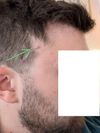
The user has been using finasteride, minoxidil, Viviscal, biotin, saw palmetto, fish oil, and alternating shampoos to combat hairloss but continues to experience thinning, especially at the hairline. They are considering trying dutasteride but are hesitant, and they are contemplating shaving their head if the situation doesn't improve.
A user experienced rapid hairloss despite taking finasteride 1mg and undergoing PRP treatment. They also take a supplement with biotin, iron, zinc, and calcium but have not seen improvement.
A 32-year-old male with hairloss cannot use finasteride due to erectile dysfunction and minoxidil due to scalp psoriasis. He seeks alternative treatments for his condition.
The conversation is about a person struggling with aggressive hairloss and feeling depressed, who has tried finasteride but is experiencing sexual side effects. Others suggest various treatments like reducing finasteride dosage, trying minoxidil, dermarolling, addressing health and hormonal issues, and accepting baldness.
The user is frustrated with ongoing hairloss despite using treatments like dutasteride, finasteride, and minoxidil, and is considering shaving their head. They are advised to maintain consistency with medication, consider oral minoxidil, and explore hair transplant options.
A 27-year-old male is experiencing hairloss and dandruff, despite trying various treatments like cortisone, diflucan, and natural remedies. He is considering shaving his head and is seeking advice on the "Big 3" treatment, which includes Minoxidil, finasteride, and RU58841.
Kitchen_Plastic_2847 had been fighting hairloss since 2019-2020 and was initially successful in regrowing his hair with finasteride. However, after contracting Covid three times back to back at the start of 2021, he started to lose his hair again. He found a new dermatologist who prescribed him oral minoxidil along with finasteride, but eventually decided it wasn't worth spending all the money to try and save his hair.
The user is experiencing hairloss likely due to anemia and nutrient deficiency, and is considering using Minoxidil or non-drug treatments like coffee rinses while improving their diet and taking supplements. They are unsure if Minoxidil will be effective for this type of hairloss and are concerned about potential side effects.