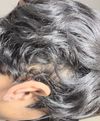
Scalp sunburns can cause permanent hairloss, so wearing UPF hats is essential. Tretinoin and Tacrolimus users should be cautious of increased photosensitivity and potential scalp issues.
Hairloss can cause significant stress and anxiety, leading individuals to try various treatments like microneedling, hair transplants, and lifestyle changes. Some people find peace by accepting hairloss and focusing on other aspects of life, while others experience ongoing distress.
High-dose Lysine and Histidine supplements caused curly/kinky hair and shedding due to Elastin dysfunction. Minoxidil, white tea, and dark grape juice were mentioned as treatments to inhibit Elastase and mimic Lysyl Oxidase.
The user is experiencing severe hair thinning and is using multiple treatments including topical finasteride, minoxidil, tretinoin, latanoprost, oral minoxidil, dutasteride, saw palmetto, and derma wounding. They are considering adding RU58841 and are contemplating a hair transplant and exosomes due to frustration with current results.
Feeding bacteria-free mice with Lactobacillus murinus worsened hairloss, but a regular diet with biotin stopped it. The conversation suggests gut bacteria and diet may influence hairloss, with some skepticism and discussion about other factors like DHT and genetics.
A 25-year-old experiencing hair thinning all over the body and head, despite using minoxidil and having low vitamin D levels, is advised to seek a second opinion from a dermatologist specializing in hairloss. The likely diagnosis is diffuse alopecia areata, which may require treatment with a JAK inhibitor.
The conversation discusses severe hair shedding and thinning, with the original poster using finasteride, oral minoxidil, and other supplements without improvement. The discussion highlights the possibility of telogen effluvium and the importance of addressing potential underlying health issues, such as stress and gut health, rather than assuming diffuse unpatterned alopecia (DUPA).
A 35-year-old with alopecia areata has tried finasteride, topical and oral minoxidil, and dutasteride without success in stopping hairloss. The dermatologist suggests JAK inhibitors, but they are too costly, leading to uncertainty about the cause of hairloss.
A user experienced hairloss due to a folic acid deficiency and saw hair regrowth after taking a folic acid supplement. They advise checking for a folic acid deficiency before spending money on other treatments.
Hairloss discussion includes treatments like Minoxidil, Finasteride, and RU58841. Conversation highlights double standards with hair fibers and women's wigs/makeup/extensions/eyelashes.
A user diagnosed with Crohn's disease is concerned it might contribute to balding. They have been using keto shampoo, finasteride, and oral minoxidil, which improved their hair but not significantly.
Excess sebum rich in cholesterol and triglycerides can lead to hairloss through inflammation, with treatments like Ciclopirox shampoo, Benzoyl Peroxide shampoo, and Clindamycin gel recommended for managing conditions like seborrheic dermatitis and folliculitis. Pioglitazone is suggested for Lichen Planopilaris, while Omega-3s and reducing processed foods may improve sebum quality, though genetic factors play a significant role.
Sunburns on the scalp can cause permanent hairloss, especially for those using Tretinoin or Tacrolimus. Wearing UPF 50+ hats is recommended to protect against UV radiation.
The user is experiencing intense hair shedding all over the scalp after applying pyrilutamide to the hairline and taking oral castor oil. They are also using topical finasteride and latanoprost, but are unsure which treatment is causing the shedding.
The user experienced increased hairloss and scalp itchiness despite using finasteride and plans to resume minoxidil and start microneedling. They are considering using clay, Aveda thickening tonic, and a beanie to manage the appearance of thinning hair.
Scalp micropigmentation (SMP) is a viable option for those experiencing hairloss, providing a natural look similar to a buzzcut. It requires touch-ups every 3-5 years, and using products like zero shine can help manage appearance issues in different lighting.
The user is experiencing continued hairloss despite using finasteride, dutasteride, and minoxidil, and is advised to improve diet, check for deficiencies, and consider other treatments like microneedling. Suggestions include sticking with the current regimen, considering a hair transplant, or accepting hairloss and shaving.
The conversation is about potential causes of hairloss and treatments, including topical and oral minoxidil, finasteride, and dutasteride, with a focus on checking for vitamin deficiencies and conditions like Lichen Planopolaris. It also discusses the skepticism around certain tests and the success of hair transplants.
The user is experiencing diffuse hair thinning despite using finasteride and oral minoxidil, with no hairline recession or bald spots. Suggestions include checking for telogen effluvium, considering a JAK inhibitor for potential autoimmune issues, and conducting further tests to rule out other causes.
Hairloss significantly impacts self-perception and attractiveness, with treatments like finasteride, minoxidil, and hair transplants suggested. The conversation highlights the emotional struggle and societal perceptions tied to hairloss.
The conversation is about a user concerned about hair thinning despite using finasteride, minoxidil, RU58841, and recently adding dutasteride. Most responses suggest there is no noticeable difference in hairloss, attributing concerns to paranoia, and recommend continuing the current treatment or adjusting expectations.
A 21-year-old with accelerated hairloss due to stress and weight loss is using minoxidil, finasteride, and microneedling to combat balding, despite experiencing a significant initial hair shed. They are committed to continuing treatment for at least three months and are considering switching to topical finasteride if necessary.
The user has been dealing with hairloss for 10 years, worsened by psoriasis, and uses minoxidil and finasteride. They seek advice on managing psoriasis and hairloss, with suggestions to see a dermatologist, try different shampoos, and be patient.
Selenium sulfide shampoo helped with a sore scalp but may cause hair root damage. Users experienced hairloss with selenium sulfide and ketoconazole, suggesting reducing use if hairloss occurs.
A 24-year-old male experienced hairloss despite using minoxidil and finasteride, later switching to dutasteride, higher-dose minoxidil, iron supplements, and derma stamping, which initially improved his condition. However, after moving to a stressful environment and undergoing minor surgery, his hairloss rapidly increased, particularly on one side of his temple.
The user shared their hairloss progress over a few months using minoxidil, finasteride, RU58841, and microneedling. They reported reduced hairloss and plan to continue their routine, possibly increasing dosages gradually.
Hairloss treatments like finasteride, minoxidil, dutasteride, and RU58841. Users suggest hair fibers for temporary coverage and consider hair transplants for permanent solutions.