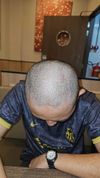
Hair cloning is being developed by companies like Kangstem Biotech and Stemson, with potential availability in a few years. Initial costs are expected to be high, but prices may decrease over time.
A user shared their experience with two hair transplants in Istanbul, highlighting the importance of choosing clinics with a low doctor-to-patient ratio, ISHRS membership, thorough consultations, and reliable aftercare. They emphasized the significance of PRP shots post-procedure and advised careful selection of clinics, especially for crown procedures, due to limited donor area opportunities.
Adding an LLLT laser cap to a routine of finasteride, minoxidil, and ketoconazole shampoo significantly reduced hair shedding from 200+ hairs a day to around 80, improving scalp health. The user attributes the laser cap as the key factor in stabilizing hair loss after two years of using other treatments.
A user shared their 12-month progress after a 3500-graft hair transplant at Heva Clinic in Istanbul, choosing not to use minoxidil or finasteride. The results were praised, with comments noting the natural look and significant improvement.
The conversation discusses the potential market release of a hair loss treatment called GT20029 by Anageninc, with users expressing interest and discussing the importance of safety and effectiveness. Some users plan to contact Anageninc to show demand for the product.
User shares one-year hair transplant results with 3633 FUE grafts. Responses discuss improved appearance, hairline looking pluggy, and doctor's location in Ottawa, Canada.
A user shared their positive experience with a 2987 graft hair transplant focused on the hairline, supplemented by finasteride and minoxidil for the mid scalp and crown. They expressed satisfaction with the results and the supportive care received during and after the procedure.
A user shared their positive experience with a 3500 graft FUT hair transplant by Dr. Scott Alexander in Phoenix, AZ, costing $14,000. They are using a daily Hims finasteride and minoxidil tablet and are pleased with the results, despite some initial concerns about scarring.
A user shared their positive experience with a no shave FUE hair transplant by Dr. Ko in Seoul, including aftercare with oxygen therapy, red light therapy, and prescribed dutasteride and oral minoxidil (2.5mg daily). The procedure cost over $5,000 USD, and the user is satisfied with the results.
The user experienced significant hair regrowth using finasteride and minoxidil, leading to doubts about proceeding with a planned hair transplant. Many suggest postponing the transplant to save grafts for future needs, as the current results are impressive.
A 34-year-old from Patna shared a 5-month update on his hair transplant, which involved 4,200 grafts using the FUE technique to cover the front and mid-scalp. He experienced initial shock loss but now sees natural-looking growth and improved density.
The conversation is about a user experiencing hair thinning and considering exosome treatment after being advised against a hair transplant. The user seeks advice from others who may have tried exosomes for hair loss.
The user has been using topical minoxidil, finasteride, microneedling, and laser light therapy for 11 weeks to address hair thinning. They report difficulty applying the treatment due to increased hair thickness and are unsure if the results are significant.
A user shared their hair loss journey, detailing two hair transplants and various treatments including finasteride, minoxidil, PRP, and exosomes. They found success with a regimen of topical dutasteride, minoxidil, derma stamping, and caffeine shampoo, leading to improved hair growth and satisfaction.
Lichen Planopilaris (LPP) is an autoimmune condition causing permanent hair loss and fibrosis, often misdiagnosed. Treatments include pioglitazone, topical corticosteroids, anti-inflammatory medication, and Jak inhibitors.
Yunce Medical, a Chinese company, is developing hair multiplication technology similar to Stemson Therapeutics, with potential for quicker availability due to favorable regulations. Users express skepticism and hope for future advancements in hair loss treatments.
Avoid clinics that push for more grafts than necessary, as it can lead to unnecessary costs and damage to the donor area. Trust reputable clinics and be cautious of those using celebrity endorsements or offering suspiciously low prices.
The user had a hair transplant and is asking when they can resume microneedling their forehead, which they did previously once a week with positive results on their crown. They are currently on a treatment regimen that includes oral finasteride, oral and topical minoxidil, ketoconazole shampoo, and black castor oil for moisturizing.
A 3-month update on a microneedling-only project to treat hair loss, which has not had significant results in terms of thicker hair but may have seen some acceleration in hair growth and an increase in vellus hairs. The user plans to continue the journey for 6 months before making any changes, such as adding minoxidil or finasteride.
Hair loss discussion includes treatments Minoxidil, Finasteride, and RU58841. Prolactin's role in immune system's antitumor activity raises safety concerns for HMI-115.
A 27-year-old using minoxidil and dutasteride for hair loss has seen significant improvement but is considering a hair transplant for a more defined hairline. Most responses suggest the hair looks good, advise against a transplant, and recommend patience or trying microneedling or tretinoin.
The user shared their positive experience with a 1,500 graft FUE hair transplant at NewHair Institute in Korea, highlighting the natural design by Dr. Jino Kim and the supportive staff. They experienced minimal discomfort and swelling, and appreciated the thorough aftercare and communication.
The user is considering a hair transplant for frontal temple density but is concerned about shock loss. They have been using finasteride for about two years and are advised to consider minoxidil and microneedling for better results.
Baldness is difficult to cure because current treatments like finasteride, dutasteride, and minoxidil only prevent hair shedding, and new developments are mostly ineffective. Botox shows potential in aiding skin regeneration and hair growth, but maintenance therapy with treatments like dutasteride and minoxidil may still be necessary.
The user experienced significant hair regrowth using finasteride, minoxidil, and a 4,000-graft hair transplant performed by Dr. Nader in Reynosa, Mexico. The results were natural-looking, and the user plans a second transplant for additional density if needed.
The conversation discusses verteporfin as a potential treatment for hair regeneration, which could lead to unlimited hair transplants by healing the donor area. Some users are considering using verteporfin now, while others are hopeful it will be available for future hair transplants.
A user underwent a hair transplant with 3500 grafts after trying treatments like finasteride and minoxidil, preferring a local clinic in Toronto over traveling to Turkey. The user plans to continue using finasteride to maintain existing hair, as the transplanted hair is DHT resistant.