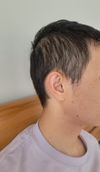
User discusses using C60 serum with microneedling at 1.75mm and asks if it's safe. Current routine includes daily Pyril on temples, weekly microneedling, and C60 serum on non-Pyril days.
PP405's phase 2a trial results were presented, focusing on safety and pharmacokinetics, with a future meeting planned to share the full dataset. The trial includes a randomized controlled portion and an open-label extension, with no indication of phase 2B completion.
A 17-year-old is using Finasteride and Minoxidil for hair loss, experiencing hair shedding and cystic acne. They are considering Dutasteride for acne but are concerned about potential side effects on genital development.
The user reported significant hair regrowth and stopped hair loss after using Pyrilutamide and Minoxidil for four months. They found Pyrilutamide effective in blocking DHT locally without side effects, preferring a gray market version over Koshine's product.
A 27-year-old has seen hair regrowth over 5 months using 2ml of 5% minoxidil daily, 50mg of RU58841 daily, and occasional microneedling. Commenters think the results are good and ask about microneedling frequency, needle size, and if ketoconazole shampoo is used.
A user shared their experience with a 7600 graft hair transplant using scalp, beard, and chest hair over three procedures, expressing satisfaction with the results despite mixed feedback. They also used finasteride to thicken hair and considered scalp micropigmentation for further improvement.
A 21-year-old experiencing significant hair loss is considering a hair transplant and has been using finasteride and biotin, with plans to switch to dutasteride and oral minoxidil for better regrowth. They are seeking advice on the number of grafts needed, with suggestions ranging from 2,500 to 6,000, and are exploring different clinics and treatment options.
An 18-year-old male is experiencing hair loss and is using topical minoxidil and oral finasteride. He is concerned about continued shedding, mild sexual side effects, and whether to adjust his finasteride dosage.
Experimenting with trestolone as a treatment for hair loss in an attempt to avoid DHT-related treatments such as finasteride and dutasteride, and discussing the potential effects of its receptor selectivity on the androgen receptors in the scalp.
Microneedling, combined with finasteride and minoxidil, appears to enhance hair growth, with users reporting noticeable improvements. The process involves using a 0.5mm derma roller, which some believe increases blood flow and stimulates hair follicles.
Microneedling for hair loss involves using a derminator pen at a depth of 1-1.5mm, typically once a week or biweekly, with a 12-24 hour wait before applying minoxidil. Cleaning involves alcohol wipes, and it's advised to change needles after each use and avoid styling products on the day of microneedling.
Concerns about the legitimacy of pyrilutamide solutions from Farmacia Tristaina due to low prices and lack of testing. Users suggest using Jano testing for product verification.
Pelage is developing a topical hair follicle stem cell therapy, PP405, for non-scarring alopecias like androgenetic alopecia, with Phase III trials planned and a potential market launch by 2027. The treatment may not require continuous use after initial regrowth.
Hair transplant results after 1 year discussed, with mostly positive feedback on density and appearance. User considers another surgery for hairline, but overall improvement noted.
Microneedling can cause skin shedding and inflammation, with some users adjusting needle size or frequency to reduce these effects. Some users combine microneedling with treatments like minoxidil, while others prefer smaller needles or alternative treatments like dutasteride.
The conversation is about using natural DHT blockers like saw palmetto, pumpkin seed oil, and stinging nettle extract for hair loss. Saw palmetto is noted to potentially halt mild hair loss.
The conversation discusses the use of topical spironolactone for hair loss, with the original poster applying 8 ml daily but learning that 2 ml is recommended. It also touches on hair transplants and the role of DHT sensitivity in hair loss, emphasizing individual differences in treatment outcomes.
A new stem cell method for culturing hair follicles is being developed as an alternative to Minoxidil, finasteride, and RU58841. There are concerns about its cost and accessibility despite plans for commercialization.
User discusses tight scalp causing hair loss and suggests treatments like scalp massages, PRP, saw palmetto, and eucapil. They share their experience with saw palmetto and eucapil and consider adding PRP and scalp massages for better results.
The user discusses their long struggle with hair loss, considering various treatments like hair transplants, hair systems, and natural methods such as micro-needling, vitamin supplements, and a healthy lifestyle. They express concerns about side effects from drugs like finasteride and ultimately lean towards using a hair system for better appearance and confidence.
The conversation discusses a study comparing microneedling combined with minoxidil versus biotin/panthenol for hair loss. Results suggest biotin/panthenol may be superior to minoxidil, though the sample size was small.
A user's success in hair regrowth after taking oral and topical medications, such as minoxidil and dutasteride, and using microneedling. Other users shared their experiences and advice with treatments used to reverse hair loss.
Spraying pyrilutamide on the crown area shows noticeable improvement compared to using a dropper. Applying directly to the vertex is challenging without wasting the product.
A 42-year-old man's two-month hair loss treatment progress using topical finasteride, oral minoxidil, microneedling, and keto shampoo. He noticed improvements, including new hair growth, despite minor side effects like mild ache and increased libido initially.
The conversation is about seeking user experiences with Traya for hair loss treatment, focusing on the effectiveness and convenience of its doctor, diet, and product approach. The user is conducting research and requests feedback on what worked or didn't work.
Dutasteride significantly reduces DHT levels in hair follicles, potentially more effectively than previously thought. The discussion highlights differences in DHT measurements and the impact on hair loss treatment.
Vitamin E is suggested as beneficial for hair follicles. Some users question the dosage and effectiveness, while others share positive experiences with vitamins.
A 29-year-old male with androgenic alopecia was treated with oral Dutasteride, oral Minoxidil, and injectable Dutasteride, showing progress in 9 months. Some users believe Dutasteride mesotherapy is unnecessary and question its effectiveness compared to topical applications.
A user shared their experience with microneedling and minoxidil for hair loss, avoiding finasteride due to concerns about systemic hormone effects. They reported slight hair regrowth after one month and plan to continue the regimen, noting improvements in skin sensitivity and managing dandruff with anti-dandruff shampoo.