The conversation is about seeking information on GT20029 from Kintor Pharmaceutical as a potential hair loss cure and inquiring about experiences with CosmeaRNA.
People's experiences with Pyrilutamide as a hair loss treatment, including anecdotal evidence of regrowth and reduced scalp itch when used in conjunction with Finasteride and Minoxidil.
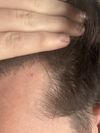
A 31-year-old has been using finasteride, dutasteride, and oral minoxidil for hair loss. They noticed a sudden triangular thinning patch on their scalp and are seeking advice, questioning if it could be medication-related.
User shared 6-month hair loss treatment update with Dut 3x/week, oral min, and dut+prp mesotherapy. Experienced positive results, no side effects, and recommends the regimen.
A Swiss product called Redensyl, which is supposed to target hair follicle stem cells and has recently been marketed in Europe. The post inquires if anyone has had any experience with the product.
Balding scalps have more androgen receptors, leading to increased TGF-beta, which causes blood vessel loss and hair follicle miniaturization. Blocking androgen signaling and TGF-beta may help prevent hair loss.
A 20-year-old male is unsure how to interpret his bloodwork results and whether he should take finasteride for hair loss. His bloodwork shows borderline high levels of albumin and testosterone, and high progesterone, but normal levels of other hormones.
Hair regrowth and gender transition using finasteride, estrogen, and spironolactone. Significant hair regrowth and personal transformation were achieved through hormone replacement therapy.
Pyrilutamide is a selective AR antagonist with a high binding affinity, making it effective in competing with DHT for androgen receptors. The 1% concentration is more effective than the 0.5%, but the latter may suffice for mild hair loss; the drug is considered a good option for those avoiding 5AR blockers due to side effects.
A US federal judge ruled that using patients' stem cells for medical treatments is not under FDA jurisdiction, potentially speeding up development of stem cell-based hair loss therapies. Some users are optimistic about increased research and development, while others express skepticism about the ruling's impact on safety and efficacy standards.
A 20-year-old male is experiencing worsening diffuse thinning despite using topical minoxidil, topical finasteride with minoxidil, oral finasteride, stemoxydine, and pyrilutimide. He is seeking support and advice as he struggles with the mental and physical challenges of hair loss treatments.
Clascoterone, a topical anti-androgen, is generating interest for potentially fewer systemic side effects. Users are curious about its effectiveness and details like concentration and duration of use.
Body hair transplants may look better if kept very short. People with limited donor regions or waiting for Verteporfin or FAK Inhibitors could consider this option.
A user's progress with using Minoxidil, finasteride, and microneedling to treat hair loss; another user mentioned a Japanese study that found better results for hairy individuals on finasteride.
The user is experiencing hair regrowth using finasteride, minoxidil, and KX-826. They regret not starting treatment earlier but are now seeing progress.
A user shared their experience with two hair transplants in Istanbul, highlighting the importance of choosing clinics with a low doctor-to-patient ratio, ISHRS membership, thorough consultations, and reliable aftercare. They emphasized the significance of PRP shots post-procedure and advised careful selection of clinics, especially for crown procedures, due to limited donor area opportunities.
User started balding at 16 and began treatment at 18, using RU58841, minoxidil, derma rolling, and peptides. After 6 months, they experienced significant hair regrowth and are happy with the results.
A user shared their hair transplant update, having received 4,300 grafts and choosing not to use medications like finasteride or minoxidil due to potential side effects and personal reasons. Many commenters expressed concern that without these medications, the user might experience further hair loss, suggesting that preventative treatments are important for maintaining transplant results.
The conversation is about a user who has been using topical minoxidil for 3 months and oral finasteride for 2.5 years to combat hair loss, with positive results so far. The user is curious about future hair growth and considers additional treatments like dermarolling and low-level laser therapy.
The conversation discusses the possibility of transplanting leg and arm hair to the scalp for hair loss treatment. Minoxidil is mentioned as a potential aid for hair growth, but concerns about the effectiveness and appearance of body hair on the head are raised.
A 25-year-old male has been using finasteride for 17 months and recently switched to dutasteride. His bloodwork shows increased luteinizing hormone levels, possibly due to increased testosterone, with no side effects and improved libido.
The user is discussing their hair loss treatment stack, which includes CB-03-01, Fluridil, Alfatradiol, Cosmerna, microneedling, and Stemoxydine. They have seen some new hair growth but wish they could use finasteride.
Adding non-prescription topicals like alfatradiol and Zix to a standard fin/min/niz regimen may help with scalp inflammation and shedding, but their long-term effectiveness varies. Zix is recommended for reducing scalp inflammation and enhancing the effectiveness of other treatments.
Verteporfin and FAK inhibitors being looked at as potential treatments for hair regeneration, with updates on the unofficial off-label human trial being discussed.
The user has been using topical finasteride and minoxidil for a month to address hair thinning. They are experiencing shedding but have noticed small hairs on their temples.
GT20029 showed significant hair growth and safety in phase II trials, with no adverse sexual events. Users are hopeful but concerned about future costs and systemic effects.
The Phase 2 trial for Pyrilutamide in the US, which started a year after the China trials, and inquiring about any available information on when it will finish. Treatments discussed include Minoxidil, Finasteride, and RU58841.
Diffuse hair loss is often linked to genetics but can also be due to health issues like thyroid problems and low vitamin or iron levels. Treatments include finasteride, minoxidil, and dutasteride, with some seeing improvements after addressing health issues.
The user shared their positive experience with a hair transplant in South Korea, highlighting thorough consultations, consistent medical team involvement, and reasonable pricing. They noted good growth and natural-looking results after several months, with stem cell PRP treatment included to support graft survival.