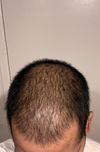
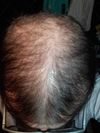
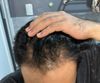
PP405, a topical LDH inhibitor, has shown to stimulate hair follicle stem cell proliferation in humans with moderate hair loss. They are advancing to more detailed trials this year.
The conversation discusses hair loss and the potential impact of zinc supplementation, with some users suggesting it might contribute to shedding. The original poster is using finasteride and considering adjusting their zinc intake and dosage of finasteride.
The conversation discusses struggles with diffuse thinning and hair loss treatments, including the use of dutasteride, minoxidil, and finasteride, with limited success. The original poster regrets having a hair transplant at 21 due to weak donor hair and ongoing thinning.
A person has been using finasteride, minoxidil, OM, dutasteride, and RU58841 for hair loss for various durations but is still experiencing constant shedding and thinning. Suggestions from others include checking for potential nutritional deficiencies.
A 30-year-old male experienced rapid hair shedding over 6-7 months due to stress, depression, and nicotine/alcohol use, but has since stopped these habits. He seeks advice on remedies, medications, or diet changes to address hair loss.
HMI-115, a newly discovered hair loss treatment that could potentially be effective for those with diffuse thinning and telogen effluvium. It is based on prolactin receptor antagonist signaling and has already undergone Phase I trials in women, with potential commercialization by 2027.
Adding RU58841 to Dutasteride treatment helped reduce hair shedding significantly for several users. Some reported no change with RU58841, while others experienced a dramatic decrease in shedding and increased hair density.
The user has been using dutasteride, minoxidil, and RU58841 for two years but continues to experience excessive hair shedding, despite also taking various supplements and trying other treatments like red light therapy. They are seeking advice and sharing experiences with others facing similar hair loss challenges.
OP experienced significant hair regrowth with Dutasteride over three years but recently faced a massive hair shed, raising concerns about the medication's effectiveness. OP has not used Minoxidil.
The user experienced initial success with topical minoxidil and dutasteride mesotherapy but is now losing more hair and unsure if it's due to shedding or ineffective treatment. They are considering whether to try a different approach.
The user experienced regrowth and stabilization in hair density using finasteride, minoxidil, a derma roller, and an LLLT helmet, but noticed a recent decline in hair quality. They only take finasteride orally and are unsure about the effectiveness of the LLLT device.
The user is considering switching from finasteride and minoxidil to dutasteride for better hair regrowth results, as they are experiencing thinning and shedding despite current treatments. They have also tried microneedling, Clobetasol, and salicylic acid to manage scalp issues and inflammation.
A 30-year-old is seeking advice on hair loss treatment, currently using oral minoxidil, finasteride, mesotherapy, and a supplement. They are experiencing shedding and are anxious about the effectiveness of the treatment, asking if they should continue or consider other options like topicals or microneedling.
The user has been taking Finasteride daily for 11 months and is experiencing increased hair thinning and shedding, with no signs of regrowth. They are concerned about the effectiveness of Finasteride and have also been using microneedling as a treatment.
A 20-year-old FTM individual started finasteride for hair loss with initial success but experienced increased shedding after 7 months. They are considering oral minoxidil as advised by their doctor to address the worsening hair loss.
The user "OP" shared their hair loss journey, detailing their treatment regimen, which includes topical minoxidil, dutasteride, various vitamins, keto shampoo, derma rolling, and oils. They experienced significant shedding around month 6 but believe it has stopped, with hair regrowth resuming.
The user is experiencing sudden hair loss and is considering micro-needling, low-level light therapy, iron supplements, folihair, and Omega 3. They are hesitant to start finasteride, suspecting the hair loss might be due to telogen effluvium from a past COVID-19 infection.
The user is experiencing heavy hair shedding and a receding frontal area despite using finasteride and minoxidil. They are considering switching to dutasteride for better results.
The discussion is about using ASCEplus HRLB exosomes for hair loss treatment, which combines 10 billion exosomes with growth factors, nutrients, biotin, and copper tripeptide. The treatment is expensive and typically administered via scalp injections, but in Europe, it's done with microneedling.
The user experienced a slight decrease in hair shedding and scalp itch, and reduced sebum production using Pyrilutamide, but stopped due to chest pain, breathing difficulties, and heart issues. They felt normal a week after discontinuing and doubted FDA approval for the drug.
The user experienced hair loss due to a crash diet and later developed scarring hair loss. They are now on finasteride, oral minoxidil, LDN, Zyrtec, and Oztela to reduce scalp inflammation and promote hair regrowth.
The user has been using finasteride and dutasteride for hair loss but is experiencing low energy and motivation, possibly due to high prolactin levels. Despite treatment, hairline recession continues, and the user is considering the impact of low DHT levels on overall health and energy.
Many users experienced increased diffuse thinning after starting finasteride, with some switching to dutasteride or adding minoxidil in hopes of improvement. Thyroid issues and low ferritin levels were also discussed as potential factors affecting hair loss.
The user has been using a hair loss treatment regimen including RU58841, minoxidil, and dutasteride, but still experiences hairline recession and fatigue despite high testosterone levels. They are considering adjusting their dutasteride dosage due to concerns about libido and energy levels.
The user experienced hair shedding after starting testosterone replacement therapy (TRT) and is considering using DHT blockers like finasteride or dutasteride to address potential DHT-related hair loss. Low ferritin levels due to frequent blood donations may also contribute to hair issues, and the user is working on stabilizing iron levels.
The user experienced hair regrowth with Minoxidil but noticed some hair loss after stopping microneedling for two months. They are hesitant to use finasteride again due to side effects and are considering other DHT blockers.
OP experienced significant hair regrowth after recovering from iron deficiency anemia and starting minoxidil. They suspect anemia contributed more to their hair loss than androgenetic alopecia (AGA).
A person experienced hair loss due to a crash diet and is now seeking advice on recovery, including dietary changes and potential treatments like biotin and pumpkin seed oil. They are concerned about nutrient deficiencies and considering a dermatologist visit for further guidance.
A 27-year-old male with AGA and diffused thinning has been using oral Minoxidil, Finasteride, Vitamin D, B12, Iron, and Ketoconazole shampoo. Despite a hair transplant and improved blood levels, he continues to experience hair loss and suspects a possible misdiagnosis of Alopecia Areata Incognita.
Low-level laser therapy (LLLT) devices may help thicken existing hair but are not effective for regrowing hair on bald areas. Users suggest sticking with finasteride, minoxidil, and dermapenning, as LLLT devices like Capillus are expensive and results are mixed.