Hair loss theories discussed include poor blood flow, scalp tension, inflammation, and DHT. Treatments mentioned are massaging scalp, minoxidil, finasteride, and RU58841.
The potential health risks associated with long-term use of finasteride and dutasteride, with some responses pointing out the low quality of the journal that published the review article as well as highlighting other alternatives such as keto or minoxidil, and RU58841.
User "tresslessatbest" shares her experience with androgenic hair loss and treatments. She found success using men's Rogaine 5%, spironolactone, dermaroller, biotin, blackcurrant seed oil, prenatal vitamins, and Nizoral shampoo.
A 22-year-old male experienced positive hair regrowth after using oral minoxidil and finasteride for over four months, noting slight changes in hair density. He initially used topical minoxidil but switched to oral due to having pets, experiencing minimal shedding and no significant side effects after initial lethargy from finasteride.
A 29-year-old is using liposomal topical finasteride/minoxidil and low-level light therapy (LLLT) to improve hair growth, showing significant progress in crown recovery. The user prefers liposomal topicals to avoid side effects from oral finasteride and uses the iRestore Essential device for LLLT.
The user shared their positive experience with finasteride for hair loss over seven years, noting it stopped hair recession and maintained their hairline. They also mentioned using minoxidil irregularly and experiencing a lower sperm count but no erectile dysfunction.
Finasteride increased libido for some users, with effects normalizing after a few weeks to months. Other treatments mentioned include Dutasteride and Minoxidil.
The conversation is about gratitude for a channel that provides support and advice on hair loss treatments, including micro-dosing finasteride, using a derma pen, ketoconazole shampoo, and a topical oil. Some users express appreciation for the community, while others reflect on their experiences and the information shared.
A user experiencing significant hair loss started using Dutasteride, a drug typically used for prostate issues, and noticed a positive change in hair thickness and volume after 5 months. Other users in the conversation also shared their experiences and observations with Dutasteride, with one mentioning additional use of oral Minoxidil.
Franquito1624: Topical minoxidil and finasteride orally
This user, Franquito1624, reported 8 months of using Minoxidil topically and 4.5 months of using Finasteride orally with good results. Other users commented on their success and asked questions about the treatments used.
A 23-year-old experienced significant hair regrowth in 3 months using a topical mixture of minoxidil 5% and finasteride 1%, with added bimatoprost. The treatment is government-subsidized, costing around $15, and the user reported no side effects.
A $3 hair oil applicator is recommended for applying minoxidil efficiently, reducing wastage and oily scalp issues. Users discuss cleaning methods and price differences.
MCT oil helps reduce dandruff, flaking, and itching, and may slow hair loss progression. Eliminating sugar and dairy also stabilizes hair loss, while zinc, sugar, and dairy can worsen scalp conditions.
The user shared progress pictures showing hair improvement after using Minoxidil for eight months and then adding Finasteride, noting no dramatic change but some improvement. The user experienced a shed after starting Minoxidil but not after adding Finasteride, and reported no side effects from Finasteride.
A user shared their successful experience with hair regrowth and transitioning from male to female using minoxidil, finasteride, Nutrafol, microneedling, and hormone replacement therapy (HRT). They expressed gratitude for the results and encouraged others to explore treatments that align with their personal goals.
Various treatments for hair loss include minoxidil injections, finasteride, dutasteride, microneedling, Nizoral shampoo, and supplements like vitamin D and biotin. Additional methods mentioned are red light therapy, scalp massages, lifestyle changes, and hair transplants.
Hair follicles can be dormant and potentially revived with treatments like finasteride and minoxidil, but irreversible loss occurs if certain structures are destroyed. Early intervention is more effective, and additional methods like microneedling may help.
Low-dose oral minoxidil shows mixed results, with some users experiencing hair regrowth and others seeing no significant change. Finasteride is also commonly used, often in combination with minoxidil, and is generally considered effective with a low rate of side effects.
The conversation humorously discusses hair loss treatments, including Minoxidil, finasteride, RU58841, and topical 17 alpha estradiol, with some users joking about transitioning to female to avoid baldness. The overall tone is satirical, emphasizing self-acceptance and the lengths people might consider for hair restoration.
A user shared their 2-month progress on finasteride 1mg daily and weekly derma rolling, showing noticeable hair regrowth. Replies confirm visible improvement, though some attribute it partially to lighting.
A 48-year-old man shared his 16-month hair regrowth journey using finasteride 1mg three times a week, noting some regrowth and emphasizing patience. He chose not to use it daily to minimize side effects, and while some users debate the effectiveness, he confirms maintenance and possibly some regrowth.
This conversation is about a user's experience with treating hair loss using minoxidil daily, finasteride 1.25 mg every other day and micro needling once a week, as well as their experiences with the side effects of finasteride. Replies to their post shared similar experiences and advice on switching from topical minoxidil to oral.
A 25-year-old male shared his 2.5-year hair restoration journey using 1 mg finasteride and oral minoxidil, starting with 2.5 mg and increasing to 5 mg, resulting in significant hair improvement and no major side effects. He experienced minor shedding and noted better results with the higher minoxidil dosage.
A user shared their progress after using a topical treatment combining 5% Minoxidil and 0.1% Finasteride for two months to address hair loss at the temples. They apply 5ml nightly without side effects and plan to switch to a different brand soon.
Hair loss discussion explores why Prince William didn't use treatments like finasteride or minoxidil. Reasons include indifference to appearance, potential side effects, and royal responsibilities.
An 18-year-old is experiencing thinning hair at the crown and is concerned about early balding due to family history. They are using 5% minoxidil and considering adding finasteride to potentially regrow hair and block DHT.
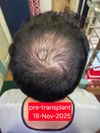
A 28-year-old male shares his 7-month progress after a crown hair transplant, using topical minoxidil foam, finasteride, and microneedling. He seeks feedback on whether his crown's progress is typical and if further thickening is expected between months 7 and 12.
The user switched from finasteride to dutasteride due to hairline recession but noticed further hair loss and is seeking new dermatological advice. They are concerned about the effectiveness of dutasteride and are looking for help.
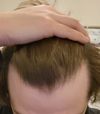
The user is experimenting with GHK-Cu and AHK-Cu to stop hair loss and promote hair growth, using a serum from Etsy and injectable GHK-Cu. They supplement this with dermastamping and ketoconazole shampoo.
The conversation is about a user's progress in treating hair loss using 1 mg finasteride and 2.5 mg minoxidil, showing significant improvement over three years despite initial setbacks. Users discuss side effects, with some expressing concerns about finasteride, but others report positive experiences and encourage its use.
![[GHK-Cu+AHK-Cu experiment] Stopping hair loss and promoting hair growth](/images/assets/a2fe9e48-31eb-4e92-a763-614a7d32f7cd/small/20559.jpg)