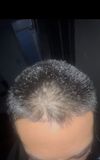
Treatments for hair loss, including finasteride, dutasteride, minoxidil, ketoconazole, microneedling, and low level laser light therapy, which aim to reduce DHT production, increase cell absorption and blood flow, and stimulate epidermal stem cells. It also stresses the importance of patience when using these treatments.
Hair transplants have improved significantly from the old "plug" method, which left unnatural results. Modern techniques by skilled doctors can achieve natural-looking hairlines.
The conversation discusses hair loss treatments, specifically mentioning Minoxidil, finasteride, and RU58841. It also references upcoming trial data from Shiseido in Japan.
A 24-year-old has been using finasteride for almost two years, along with ketoconazole shampoo, fish oil, saw palmetto, emu oil, and minoxidil for a period. They report positive results and invite questions about their experience.
The group buy for CB-03-01, a topical anti-androgen for hair loss, was postponed and refunded due to issues with the product's form and solubility. The product, also known as Breezula, is an alternative to finasteride with fewer side effects, but its official release is delayed until 2021.
The user had lab work done to check for thyroid issues and other factors related to hair loss. They are seeking advice on which lab results are important for understanding hair loss and what the optimal levels should be.
A 19-year-old is experiencing worsening hair loss and severe seborrheic dermatitis despite using finasteride for six months. Nizoral (ketoconazole) is no longer effective, and they are seeking over-the-counter solutions and advice for an upcoming dermatologist visit.
The user lost gym motivation after taking finasteride for four months, possibly due to its effect on DHT levels. Suggestions include adjusting dosage, trying topical treatments, using caffeine, checking testosterone levels, and considering supplements like SSRIs or pregnenolone.
The user is experiencing an itchy scalp and acne while using oral dutasteride and minoxidil for hair loss. They are considering stopping minoxidil to see if symptoms improve and possibly switching to finasteride if needed.
A 44-year-old man has been using finasteride for a year with noticeable hair improvement and no significant side effects. He is considering adding minoxidil but prefers minimal medication use.
A humorous discussion about hair loss treatments, specifically mentioning minoxidil and oral use. The conversation includes a satirical take on a worker at a minoxidil factory.
A 28-year-old male is documenting his early progress with oral finasteride (1mg daily) and oral minoxidil (2.5mg daily) for hair loss, noting some improvement after three months. He also uses supplements, head massages, and a derma roller, with no significant side effects reported.
The user is considering switching from finasteride and RU58841 to dutasteride due to ongoing hair loss concerns. They are unsure if the hair loss is due to shedding or worsening condition.
A 22-year-old experiencing hair loss and persistent scalp itchiness since age 16 has tried various treatments, including finasteride, ketoconazole shampoo, and dietary changes, with no success. Suggestions include consulting a knowledgeable dermatologist, considering seborrheic dermatitis, and trying different shampoos like Selsun Blue or those with selenium sulfide.
The user reported 8 months of hair regrowth progress using 2.5mg oral minoxidil and 0.025% topical finasteride, with no side effects. They also use Keto shampoo and vitamin D3+K2 supplements.
A user shared their positive experience with hair regrowth using finasteride, minoxidil, derma stamping, castor oil, biotin shampoo, and a hair lotion over 12 months. They noticed fuller hair and encouraged others to remain consistent with their treatments.
The conversation discusses skepticism about new hair loss treatments, with many users expressing doubt about the effectiveness and availability of future solutions. Current treatments like minoxidil, finasteride, and hair transplants are mentioned as reliable options.
A 22-year-old male experiencing hair loss suspects androgenetic alopecia (AGA) and possibly telogen effluvium (TE), with a noted improvement in scalp itch after adopting a gluten-free diet. He is advised to consider treatments like finasteride or minoxidil and to check iron and ferritin levels.
The user is using a mix of supplements, including Minoxidil, to address androgenetic alopecia and is concerned about zinc dosage potentially causing issues. They plan to discuss their treatment and supplement regimen with a dermatologist.
GLA may help with hair loss due to its anti-inflammatory properties and 5ar enzyme inhibition. It's considered potentially more important than biotin, especially for those already using finasteride and dutasteride.
The conversation discusses impressive hair regrowth results using finasteride, minoxidil, and microneedling over 20 months. Some users suspect a hair transplant or hair system, while others inquire about specific product details and side effects.
Hair loss progress pictures can be misleading due to differences in lighting, hair length, and wetness, making it hard to accurately assess changes. Treatments mentioned include minoxidil and finasteride, with some users expressing skepticism about their effectiveness.
Increasing finasteride dosage can cause significant hair shedding initially. Users suggest adding minoxidil or switching to dutasteride for better results.
A user shared progress pictures after two months of using oral finasteride and minoxidil, along with inconsistent derma rolling. Replies noted hairline improvement and good coverage, especially with afro hair.
A 27-year-old considering a hair transplant after going bald from 2018 to 2024. Recommendations include using finasteride and minoxidil before the transplant, with mixed opinions on their long-term use and side effects.
A user shared an 8-month hair loss treatment progress using daily saw palmetto and biotin capsules, weekly dermarolling, and a scalp lotion mix of castor, jojoba, and rosemary oils, avoiding finasteride and minoxidil due to side effects and cost. The user reported encouraging progress with slight hairline improvement and better crown area, attributing most success to dermarolling.
Dutasteride improved the user's hair thickness and health, slowed body and facial hair growth, and enhanced skin condition. The user also reported feeling energetic with a slight decrease in libido but no issues with sexual function.
A user is experiencing hair thinning on the sides while wearing a hair system and has had a transplant to correct temple peaks. They are using finasteride, oral minoxidil, and rosemary oil serum, and are considering a corrective transplant to add density and achieve a natural look.
The user is experiencing stage 2 hair loss and thinning, noticing more scalp visibility with short hair. They are considering diet, yoga, scalp massage, supplements, and a serum recommended by their doctor, and questioning if it's safe to stop using the serum and whether to get a blood test since hair loss isn't a family trait.