Search
for
Sort by
Community Join
120-150 / 1000+ resultscommunity M43. 9 months on fin+min oral. Hairline regrowing
A 43-year-old experienced hairline regrowth after 9 months using finasteride, oral and topical minoxidil, dermarolling, and vitamins. Users discussed the effectiveness and dosage of these treatments, with some expressing concerns about high doses and potential side effects.
community MCL1 does anyone knows anthying about it
MCL-1 protein may help maintain hair follicles in the growth phase and prevent miniaturization. There is interest in experimental treatments like exosomes, peptides, or stem cell serums to upregulate MCL-1 for hair loss, especially for those not using minoxidil or finasteride.
community M18, On tropical minox 5% for 2 months now
An 18-year-old has been using 5% topical minoxidil for 2 months for hair loss, with a history of vitamin D deficiency and thyroid imbalance. Users suggest starting finasteride and blocking DHT for androgenetic alopecia (AGA).
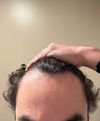
community M20 with Hair Loss - Clascoterone an Option?
A 20-year-old is experiencing hair thinning and is considering Clascoterone and Minoxidil as treatments, avoiding finasteride due to concerns about fertility and hormones. A suggestion was made to use Clascoterone for local DHT targeting and combine it with Minoxidil for maintenance and regrowth while avoiding systemic side effects.
community Oral Minoxidil (Loxidil) from Thailand just arrived
community 27M Struggling with 5-Month Treatment Limit on Minoxidil and Finasteride, Seeking AR Blocker Advice
A 27-year-old male is experiencing a recurring pattern of hair loss after 5 months of using oral minoxidil and finasteride, despite initial success. He is considering using topical androgen receptor blockers like RU58841, pyrilutamide, or clascoterone to address potential androgen receptor hypersensitivity.
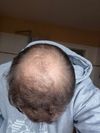
community M25 - Start taking meds or shave it off?
The conversation is about a 25-year-old considering whether to start using hair loss treatments like Minoxidil, finasteride, or RU58841, or to shave his head. He is seeking advice due to his family history of baldness.
community PP405 could be released before GTA 6
PP405 is discussed as a potential hair loss treatment, but its effectiveness and safety are uncertain. Some users express skepticism, while others are hopeful, comparing it to existing treatments like Minoxidil and Finasteride.
community M46 - 3 week progress on HIMS serum
A 46-year-old male shared his 3-week progress using HIMS serum with Finasteride 0.3% and Minoxidil 6%, showing improvement without noticeable shedding. His routine includes vitamins, a healthy diet, and specific hair care practices like microneedling and using caffeine solution.
community 9 Year MPB Treatment History (30M) Update
community 28M 5MG MIN 0.5MG DUT - CROWN IS FILLING I REPEAT THE CROWN IS FILLING
A 28-year-old male reports progress in hair regrowth using 5mg Minoxidil and 0.5mg Dutasteride, noting improvement in the crown area. Another user shares similar positive results since starting treatment in January.
community M22 1 year 4 months topical min + oral fin
A user's experience with hair loss treatments, specifically Minoxidil (topical) and Finasteride (oral), over a period of 1 year and 4 months. The user reported best results after 6 months, a significant hair shed 4 months ago, and current regrowth, while also using a 1.25mm dermastamp. The user adjusted Finasteride dosage over time and experienced high testosterone and nipple sensitivity.
community Hope Medicine announces HMI-115 phase II clinical trial for androgenetic alopecia in China
Hope Medicine's announcement of the HMI-115 Phase II clinical trial for androgenetic alopecia in China; other related trials have been conducted or are ongoing in different countries, including Australia, US, and Europe. There is speculation that the product may be accepted across borders without additional testing.
community M27 Fin/Min (topical) was fun while it lasted
The user experienced high liver enzyme levels, possibly due to topical finasteride or supplements, and decided to stop using finasteride while continuing minoxidil. After stopping finasteride and supplements, liver levels returned to normal, suggesting finasteride or supplements might have been the cause.
community 25M (2.5mg Oral Min + 1mg Oral Fin Daily)
community 4 Months progress on 1mg Fin + 2.25Oral Minox daily (30m)
community RU58841 vehicle penetration (Study for minoxidil)
The user mixes their own RU58841 solution and found that increasing the ethanol content improved absorption and reduced scalp itching. A study on minoxidil showed that penetration increased with higher ethanol concentrations, reaching maximum penetration at 90% ethanol.
community When will HMI-115 second trail be over?
A clinical trial for hair loss treatments involving Minoxidil, Finasteride, and RU58841, and when the results of the trial will be available.
community GT20029 China Phase II Trial For AGA Reached Primary Endpoint
The GT20029 tincture, a topical androgen receptor degrader, showed significant hair growth and good safety in a China Phase II trial for male androgenetic alopecia (AGA), with the 1% dose twice weekly identified as optimal. The company plans to initiate Phase III trials in China and Phase II in the U.S., and the treatment also shows promise for acne.
community 14 Months on nuclear stack (0,5 DUT and 15mg oral Minox and no regrowth. Aga is impossible to beat
The user has been on a hair loss treatment for 14 months using dutasteride and oral minoxidil without seeing regrowth and is considering adding more drugs due to the psychological impact of hair loss. However, replies suggest the user may not actually be experiencing noticeable hair loss.
community Selling KY19382 powder a novel activator of Wnt/β-catenin signaling Product
Selling KY19382 powder, a novel activator of Wnt/β-catenin signaling, and Kolliphor EL liquid for vehicle formulation. KY19382 is a growth agonist.
community 11 months oral fin + min capsule
The user has been using a daily capsule containing 1mg finasteride and 2.5mg minoxidil for 11 months, with noticeable regrowth on the crown but minimal improvement on the hairline. They experienced no significant side effects and plan to continue the treatment long-term.
community gt20029 any u-lab order possible?
The user is seeking alternative hair loss treatments due to side effects from finasteride and minoxidil. They are inquiring about the availability of gt20029 from u-lab.
community Ru58841 only treatment thoughts
community M40 - 3 Months progress on Fin/Min
A user reported significant hair regrowth after 3 months using 1mg oral finasteride, 1ml 5% topical minoxidil, and microneedling, along with biotin, vitamin D, iron, and zinc supplements. They are optimistic about continued progress despite initial skepticism.

community M19 Experiencing Sudden Thinning at Temples, Considering Finasteride for 7 Months
A 19-year-old is experiencing hair thinning and recession above the temples, causing stress and consideration of starting finasteride despite financial constraints. They are unsure whether to begin treatment immediately or wait to assess the situation further.
community 47M - 12 months of topical min/fin feedback
A 47-year-old man has been using a topical spray containing minoxidil, finasteride, biotin, and ketoconazole for hair loss but has not seen any regrowth and is experiencing more hair loss. He is considering switching to a pill form due to frustration with the lack of results.
community PP405 is a game changer. One for the history books. Era defining moment and Pelage know it.
PP405 is a new hair loss treatment that may outperform minoxidil and finasteride by growing thick hair in bald areas within four weeks. Its release is expected around 2028, but concerns about its long-term efficacy and cost remain.