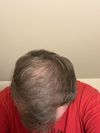
Hair loss treatment should target dermal white adipose tissue (DWAT) to restore hair follicles. Potential remedies include tocopherol (vitamin E), botox, rosiglitazone, niacin, kojyl cinnamate esters, and ADP355.
BPC-157 may promote hair growth by increasing angiogenesis, similar to how Minoxidil works, though no direct research confirms this yet. Users report combining BPC-157 with Minoxidil and finasteride for better results, but concerns about long-term safety exist.
A user shared a 2-year hair regrowth progress using 1mg finasteride daily and topical minoxidil twice daily, with noticeable thickening after 7 months. Other users discussed the commitment required and potential side effects, but the original poster experienced no side effects.
The user reported significant hair regrowth after 2.5 months using 2.5 mg oral Minoxidil daily and 0.5 mg Dutasteride three times a week, along with betamethasone for scalp inflammation. They experienced minor side effects and are considering microneedling.
The user experienced noticeable hair regrowth, especially at the hairline, after using Minoxidil, microneedling, vitamins, and specific shampoos for 2-3 months. They are considering adding finasteride but are hesitant due to potential side effects.
The user is using a combination of microneedling, minoxidil, tretinoin, scalp massages, and red light therapy to address hair loss, with a focus on the hairline and temples. They emphasize the importance of scalp massages and have seen regrowth, attributing success to their comprehensive routine.
A 22-year-old male shared his 4-month progress using Minoxidil, finasteride, and weekly micro-needling for hair loss, reporting no negative side effects and feeling content with his results. Replies were supportive and encouraging.
The user is updating on their 3-month progress using minoxidil (0.5mg twice daily) and microneedling once a week. They plan to consult a doctor about adding finasteride to their regimen.
A user shared progress pictures showing improved hair fullness after 75 days using 2.5mg oral minoxidil daily, 1mg oral finasteride every other day, a 1.5mm dermastamp weekly, and daily scalp massages. They report seeing early positive results.
Tazarotene's potential to enhance Minoxidil conversion, similar to Tretinoin, is questioned. Users discuss the lack of information and seek further details.
A user is using 1ml/day of Dualgen-15 (15% Minoxidil, caffeine, retinol, azaleic acid, Adenosine, biotin, niacin) on their temples and asks if Minoxidil alone can completely regrow their temples.
After 2.5 years of using 1mg finasteride daily, 5% minoxidil foam twice daily, and weekly micro-needling, the user reports thicker, healthier hair without further loss. They noticed initial regrowth at 3 months, with significant improvement up to 18 months, and no negative side effects from the treatment.
A man shared his hairline improvement after two years on 1.25mg finasteride daily and using piroctone olamine shampoo. He has not had a hair transplant and does not plan to use minoxidil.
The user experienced noticeable hair thickening and new growth after two months using a topical solution of minoxidil and finasteride. Continued improvement is expected, with potential for a full head of hair after further treatment and possibly a transplant.
The conversation discusses GT20029, a compound by Kintor Pharma that degrades androgen receptors and is in trials, with potential as a hair loss cure. Another promising treatment mentioned is an antibody that blocks prolactin and has shown positive results in macaques.
Adipose fat cells and stem cells may help treat hair loss by restoring the scalp's thickness. Treatments like NanoFat injections and Botox are discussed for their potential to promote hair growth.
A user in their 20s is experiencing hair growth after two months of using minoxidil and finasteride, focusing on the hairline and temple areas. They also addressed vitamin deficiencies (B12, D3, and iron) and are considering additional treatments like derma stamping.
Stefano, a 20-year-old male, experienced significant hairline shedding and thinning after using topical Minoxidil, along with rosemary/jojoba oil, biotin tablets, caffeine shampoo, and a dermaroller. He is uncertain whether to continue the treatment in hopes of regrowth or stop and potentially return to his original hair condition, while a reply suggests using finasteride or dutasteride to address the underlying cause of hair loss.
Topical finasteride as a potential alternative to oral finasteride for reducing DHT levels on the scalp with fewer side effects, and other hair loss treatments such as minoxidil.
User shared progress pictures of hair regrowth using topical Minoxidil, oral Finasteride (later switched to topical), keto shampoo, biotin supplements, and dermarolling. Hairline improved slightly, considering a hair transplant for further results.
A physician experienced hair thickening and new growth using microneedling and minoxidil, but stopped using topical finasteride due to side effects like reduced libido and erectile dysfunction. The physician plans to continue with microneedling and minoxidil, considering finasteride nonessential for cosmetic purposes.
The user experienced hair shedding after increasing minoxidil from 5% to 7% with latanoprost, possibly causing telogen effluvium. They are on HRT with Lupron, Estradiol, and Raloxifene, and are concerned about the shedding's duration.
The user has been using finasteride, ketoconazole shampoo, oral minoxidil, and minoxidil foam for hair loss but feels their hair is not as thick as desired. They have stopped using RU58841 due to lack of results and are concerned about hair miniaturization despite these treatments.
A 19-year-old male experienced significant hair loss, initially thought to be male pattern baldness (MPB), and used minoxidil and briefly finasteride. After realizing the issue was telogen effluvium (TE), he improved his diet and supplemented with vitamins, which led to substantial hair regrowth.
The user applied 5% minoxidil twice daily and microneedled approximately 1.5 times a month. They noticed some progress in hair growth, though they were unsure if it was due to treatment or hair length.
A 21-year-old has been using a 0.5 mm dermaroller weekly with 5% Minoxidil for five months and Finasteride for three months to address hair loss. The conversation includes questions about the frequency of dermarolling.
A user shared their 2-month progress using finasteride (1mg) daily, topical minoxidil (5%) daily, and dermarolling twice a week, noting some regrowth and satisfaction with the results. Another user complimented the progress, and the original poster detailed their dermarolling routine.
A 20-year-old male has been using 1mg finasteride and 5% minoxidil daily for 1.5 to 8 months and is unsure about regrowth. Suggestions include continuing the treatment, trying microneedling, or considering oral minoxidil.
Liposomal formulations of finasteride and minoxidil may enhance drug delivery to the skin and hair follicles more effectively than traditional solutions, potentially improving treatment outcomes. However, more human clinical trials are needed to confirm these benefits.