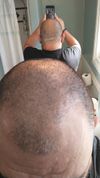
A user is concerned about starting finasteride due to negative reports and potential side effects. Other users suggest talking to a doctor, considering personal tolerance, and note that side effects are rare.
A user reversed severe hair loss with dieting, lifestyle changes, and topical minoxidil, highlighting reduced inflammation and body fat. The conversation debates finasteride's effectiveness and the impact of diet and lifestyle on hair health.
PP405 is a new topical treatment for hair loss, showing promise in trials but still requires finasteride for maintenance. There is skepticism about its effectiveness and safety, with concerns about needing finasteride to maintain results.
A user is concerned about hair loss from creatine and asks for precautions, mentioning treatments like Minoxidil, finasteride, and ketoconazole shampoo. Replies vary, with some users sharing personal experiences and others dismissing the concern.
Dutasteride is shown to be significantly more effective than finasteride for treating male androgenic alopecia. Users discuss the difficulty of obtaining dutasteride in some countries and share personal experiences with its effectiveness and side effects.
Dutasteride at 2.5mg is considered a potential hair loss cure due to its DHT-blocking ability, but there are concerns about side effects and individual responses. Minoxidil, finasteride, and RU58841 are also discussed, with mixed opinions on their effectiveness and safety.
A 19-year-old experienced worsening hair loss after 4 months on finasteride, despite initial improvement with minoxidil. The consensus is to continue treatment for at least a year, as shedding is common and often temporary.
The conversation is about a person's positive experience with Dutasteride 1mg and Oral Minoxidil 2.5-5mg daily for Diffuse Unpatterned Alopecia, showing significant hair regrowth after 9 months. They mention a tough initial shedding phase, no side effects after 9 months, and a preference for oral treatments due to convenience and pet safety.
The user "Zealousideal-Pack340" shared their 5-month results on a natural hair loss treatment protocol, which included massages, vitamins, green tea, and pumpkin seeds. Some users suggested using medications like finasteride and minoxidil for better results, while others criticized the effectiveness of natural remedies. Overall, there was no clear consensus on the progress of the user's hair regrowth.
A YouTuber named Kevin, also known as Rider_Of_Roach, who deleted his YouTube channel due to personal attacks and controversy surrounding his views on hair loss treatments. He advocated for FDA-approved treatments like finasteride and minoxidil but faced backlash from those who disagreed with him. The conversation also discusses his past trolling behavior and a lawsuit he filed against a website that published false information about him. Despite some disagreements, many viewers appreciated his research-based content and hope to see him return in the future.
MCL-1 protein may help maintain hair follicles in the growth phase and prevent miniaturization. There is interest in experimental treatments like exosomes, peptides, or stem cell serums to upregulate MCL-1 for hair loss, especially for those not using minoxidil or finasteride.
A user with diffuse thinning, currently using finasteride, biotin, minoxidil, and nizoral shampoo, is considering a topical solution called "82M" but is skeptical due to its high cost and lack of supporting research. They seek others' experiences with "82M."
The user is considering a second hair transplant or scalp micropigmentation to address thinning in the crown area and hide scars from a previous transplant. They have been using finasteride and minoxidil for three years but are concerned about the appearance of their donor area and the effectiveness of scalp micropigmentation.
A 42-year-old male using Minoxidil since June reports hair regrowth and thickening, with additional improvements from vitamin supplements and stress-reducing medication. Suggestions include adding topical finasteride and microneedling for better results.
TDM-105795 showed promising hair growth results, with higher efficacy than placebo and minimal side effects. It activates dormant hair follicle stem cells and may maintain gains without immediate loss, unlike minoxidil.
Male pattern baldness (MPB) may be an early warning sign for type 2 diabetes due to its association with insulin resistance. Treatments discussed include testosterone therapy and finasteride, which affects hormone levels related to hair loss and insulin sensitivity.
This post and conversation are about the molecular mechanisms triggered by microneedling, specifically its effects on inflammation, tissue remodeling, epithelial proliferation, differentiation, and collagen synthesis. The discussion highlights the potential benefits of microneedling for hair loss treatment.
The user reported noticeable hair improvement over four months using 1 mg of finasteride and weekly microneedling. Progress photos from October 2024 to January 2025 show positive changes.
The user reports some hair regrowth after two months of using 1.5mm microneedling with Minoxidil and Nizoral shampoo. They note reduced pain and skin flaking, attributing changes to skin thickening and collagen induction.
The user has been using topical finasteride and minoxidil for two years with decent regrowth and recently added microneedling to their routine. They are questioning if the small hairs observed are new regrowth from microneedling or just vellus or miniaturized hairs.
The user is using 2.5mg Minoxidil, 0.5mg Finasteride, a dermastamp, and scalp massages for hair regrowth. There is some visible improvement, but patience is advised as significant results typically take around 6 months.
A user is considering using compounded Minoxidil with Tretinoin from Medical Wellness Center to improve hair growth. They are also curious about the effects of higher Minoxidil doses and adding Tretinoin to their regimen.
User TH1RT33N_DR34M shares that MinoxidilMax plans to make topical Procyanidin B2 within a month. Users discuss the legitimacy of the product, quality control, and potential results from using it for hair loss.
The user's hair appears to have improved, looking thicker and healthier, especially around the temples, after using topical minoxidil, finasteride, dutasteride, and tretinoin. Most participants agree the last picture shows significant improvement, though one disagrees.
A 27-year-old Asian male is treating hair loss with 1mg oral finasteride, topical minoxidil twice daily, and 1.5mm microneedling weekly. The discussion is about his progress with these treatments.
The user is exploring hair loss treatments and is interested in procyanidin B2 and annurca apples but has concerns about the effectiveness and availability of supplements. They cannot use Dutasteride or Finasteride and are considering Minoxidil with microneedling.
A user applied the 8T3 product for hair loss, targeting LPP and AGA, and plans to update on its effectiveness. The product uses a saline buffered phosphate vehicle, suitable for those intolerant to ethanolic vehicles.
Procyanidin B2, a compound derived from Annurca apples, as a potential treatment for pattern hair loss. Several clinical studies were mentioned, which found that procyanidin B2 could increase hair growth, density, and keratin content. Other treatments such as Minoxidil, Finasteride, and RU58841 were not discussed.
A user who initially had positive results with oral finasteride, topical minoxidil, and microneedling for hair loss, but experienced side effects like fog and depression. After stopping and losing progress, they restarted with topical treatments and microneedling, reporting good results and no side effects.