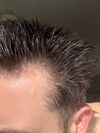
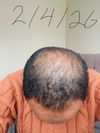
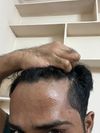
The user experienced significant hair shedding after 5 months of using oral finasteride and oral minoxidil, despite initial progress. They are concerned about the shedding lasting over 2 months and seek advice from others with similar experiences.
The user is considering using Minoxidil and Tretinoin to manage hair loss while waiting for Breezula/PP405, as they cannot tolerate dutasteride or finasteride. They hope these treatments will help retain hair despite ongoing loss.
The user experienced significant hair regrowth after one year of using topical finasteride (0.3%) and minoxidil (7%), with minimal side effects. They recommend trying these treatments for hair loss.
The conversation discusses hair shedding experienced by users undergoing hair loss treatments, including finasteride, minoxidil, and microneedling. Many users report experiencing significant shedding around the 8-12 month mark, which is considered a normal part of the hair regrowth process, with expectations of stronger regrowth following the shedding phase.
The user discovered they had been using fake minoxidil for months, leading to hair thinning, and decided to switch to a trusted brand from Walmart. Another user suggested seeing a dermatologist for prescription minoxidil and recommended Kirkland brand minoxidil and finasteride for effective hair loss treatment.
Switching from finasteride and topical minoxidil to oral dutasteride and oral minoxidil can cause initial hair shedding, but many users report improvement after a few months. Opinions vary on whether to taper off or switch directly, with some suggesting gradual changes to monitor side effects.
Many users report negative experiences with Dutasteride, claiming it doesn't work as effectively as Finasteride for hair loss, despite some defending its efficacy. The conversation highlights skepticism about Dutasteride's effectiveness, with some users experiencing continued hair loss or no regrowth, while others see positive results.
Many users have maintained their hair using finasteride, with some also using minoxidil or dutasteride, reporting minimal side effects. Opinions vary on the necessity of DHT, with some users arguing its importance beyond puberty, while others believe it is unnecessary and that finasteride and dutasteride are safe and effective for hair maintenance.
A 33-year-old male is experiencing thinning at the temples and hairline, with increased shedding over the past year. The user suspects androgenetic alopecia (AGA) despite AI suggesting a maturing hairline.
A 40+ year-old male used finasteride and minoxidil sprays daily, later adding a PEMF hat to his routine, resulting in noticeable hair regrowth in the crown area after 6 months. He plans to continue the treatment and update at 12 months.
A 40-year-old male has been using 5% minoxidil foam, 1mg finasteride, and a derma roller weekly for 2.5 months to treat hair loss. He is seeking feedback on whether the treatment is showing progress or if it's too early to tell.
A 40-year-old male has been using 5% minoxidil foam and 1mg finasteride for 2.5 months, noticing darker and thicker hair. Users encourage him to continue the treatment, as results can take 6-9 months or longer.
Switching from finasteride to dutasteride led to hairline regression and scalp issues for some users, prompting a return to finasteride. Users reported better maintenance and regrowth with finasteride compared to dutasteride, despite using oral minoxidil throughout.
Many users criticize advice on forums that suggest shaving heads instead of trying treatments like finasteride for hair loss. They argue that maintaining hair is important for self-esteem and dating success, and that baldness often requires compensating with other attributes.
A 30-year-old man is frustrated with hair loss despite using finasteride, topical minoxidil, ketoconazole shampoo, and PRP. Suggestions include trying oral minoxidil, dutasteride, RU58841, or considering a hair transplant.
Magic mushrooms may reduce stress and anxiety about hair, potentially affecting hair loss. Users report feeling better about their hair after using mushrooms.
The user has been using topical Minoxidil twice daily for a year and is seeking feedback on whether their hair condition is improving, maintaining, or worsening. They provided photos for comparison from last year and this year.
The conversation discusses hair loss treatments, including scalp massage, and the importance of blocking DHT for hair loss management. The user shares blood test results, which appear normal, and seeks advice on effective tests and treatments, expressing a preference for natural methods over medication.
A 31-year-old male seeks advice on reversing crown and hairline baldness. Recommendations include using finasteride or dutasteride, minoxidil, microneedling, and ketoconazole shampoo.
Male pattern baldness can occur with or without an oily scalp, but an oily scalp and seborrheic dermatitis can worsen the condition. Treatments like finasteride, minoxidil, and ketoconazole shampoo are used, and managing diet and scalp care can help control symptoms.
Many male celebrities and models use treatments like finasteride, dutasteride, and minoxidil to combat hair loss, with some also undergoing hair transplants. These treatments are common and increasingly normalized, with some celebrities openly discussing their use.
A user applied the 8T3 product for hair loss, targeting LPP and AGA, and plans to update on its effectiveness. The product uses a saline buffered phosphate vehicle, suitable for those intolerant to ethanolic vehicles.
A 30-year-old male with androgenic alopecia shows progress after using dutasteride (0.5 mg daily) and topical minoxidil (5% twice daily) for 3.5 months. Users suggest adding dermastamping for better results.
The user is considering switching from topical Minoxidil to oral Minoxidil due to concerns about maintaining a topical routine. They have already started finasteride and are trying to prevent further hair loss progression.
A 42-year-old male shared his 5-month progress using oral dutasteride, oral and topical minoxidil, and dermarolling for hair regrowth. He reported significant improvement and discussed the potential for further progress and maintenance, while addressing concerns about the safety of his minoxidil dosage.
Switching from topical to oral minoxidil resolved issues like watery eyes and ear itchiness. Users report oral minoxidil is better for sensitive skin, though some are concerned about side effects like hair growth everywhere.
The conversation discusses hair loss treatments, specifically Minoxidil, finasteride, and RU58841. It highlights the South Korean president's push for public health coverage for hair loss.
Male pattern baldness and diffuse thinning can both be forms of androgenetic alopecia (AGA), and it's important to consult a doctor for proper diagnosis. Treatments like Minoxidil, Finasteride, and biotin are discussed, but their effectiveness varies, and side effects are a concern.
Hair loss impacts mental health and should be covered by healthcare, with treatments like finasteride, dutasteride, and minoxidil being affordable and effective. Some argue hair loss is cosmetic and shouldn't be funded, while others highlight its broader health implications.