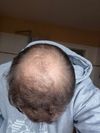
Thicair is a product combining microneedling and subdural vitamins for hair loss, containing ingredients like Panax Ginseng Root Extract and Copper Tripeptide-1. Users are skeptical, with one calling it "quackery."
A user discusses the potential of caffeine and DMG in shampoo for treating hair loss, citing a pending patent and personal plans to test it. They find it more convenient than using minoxidil, tretinoin, and microneedling.
Hair loss user increased oral minoxidil dose, causing more shedding. Uses 1mg finasteride, Lonitab, and Stemoxydine 5%, expects denser hair in a few months.
The user has stopped hair loss using topical finasteride, dutasteride, minoxidil 5%, and a GHK-Cu melatonin caffeine blend. They are considering switching to a more potent minoxidil, specifically Dualgen 15%, for better regrowth results.
A user trying various treatments for hair loss, such as minoxidil, stemoyxidine, alfatradiol, and microneedling, with plans to add tretinoine and finasteride.
The user started a hair care routine using 0.5mg finasteride daily, 2ml of 5% minoxidil, and 4.5mg of cetirizine topically to address hair loss. They plan to provide updates and are also interested in cetirizine's potential to reduce scalp itching and redness due to its anti-inflammatory properties.
Taking minoxidil both orally and topically may improve results, but consistency with topical application might not be as crucial if oral intake is regular. Microneedling is also considered for additional benefits.
Orsobalorso took 2.5mg oral minoxidil daily for a year but saw little improvement and stopped due to potential side effects and cost. They also tried finasteride, dutasteride, dermarolling, RU58841, keto, alfatradiol, and stemoxydine, with mild improvement from finasteride.
The conversation discusses using minoxidil spray for hair thinning, with advice to use a dropper for better application. Many users recommend adding finasteride as a DHT blocker for more effective hair loss prevention.
A 42-year-old male using Minoxidil since June reports hair regrowth and thickening, with additional improvements from vitamin supplements and stress-reducing medication. Suggestions include adding topical finasteride and microneedling for better results.
Tretinoin is used with minoxidil to enhance hair growth, with some users applying tretinoin before minoxidil to improve results. Some users report success with this combination, while others experience irritation or dryness.
At this point.
In this conversation, users discussed the risks of drinking topical minoxidil and suggested alternative treatments such as obtaining a prescription for oral minoxidil or finasteride.
The conversation discusses a hair regrowth treatment containing Minoxidil, Procapil, Sandalore, and caffeine. The focus is on evaluating the effectiveness of this product available on eBay.
The conversation suggests using a dropper to apply minoxidil to the scalp without force for a less messy application compared to sprays or other methods.
Microneedling combined with 5% Minoxidil and finasteride significantly improves hair growth compared to using Minoxidil or Minoxidil with finasteride alone. The combination treatment is safe and effective, but further research is needed due to small sample size and short study duration.
The user experienced unexpected hair volume increase after combining scalp massages with topical minoxidil and oral finasteride. They plan to continue this regimen, noting a reduction in hair shedding.
A 21-year-old male has been using minoxidil for 2 years but is seeing worsening results. He is seeking alternative treatments, avoiding finasteride due to side effects, and finds rosemary and argan oil ineffective.
Mixing minoxidil and stemoxydine is not recommended due to potential dilution and reduced effectiveness. Applying them separately with a time gap is suggested.
The conversation is about making oral minoxidil pills for personal use, including inquiries about ingredients and binders. The user mentions taking 2.5mg of oral minoxidil daily.
A 32-year-old man started oral minoxidil at 0.625mg daily, alongside topical minoxidil, to address hair thinning after experiencing side effects from other treatments. He plans to monitor his health closely and adjust the dosage after two months.
A user is starting a hair loss treatment with Minoxidil (5 mg oral and 10% topical), Dutasteride, and Zinc, and is concerned about the high dosages. Other users suggest following the dermatologist's advice, starting with topical treatments, and discussing dosage concerns with the doctor.
The user plans to lower their oral minoxidil dose from 5 mg to 2.5 mg to reduce side effects like puffiness and hypertrichosis, while also using finasteride and accutane. They are considering caffeine serums for puffiness and discussing dietary changes or switching to topical minoxidil to address bloating.
The user is using oral finasteride, oral minoxidil, ketoconazole shampoo, and various supplements to stabilize hair loss and thicken hair. They are considering using minoxidil foam on their beard to address empty patches but are concerned about side effects.
Kirkland Minoxidil 5% Foam is either sold out or very expensive, leading to frustration over limited options without propylene glycol. Alternatives like Rogaine and Foligain are discussed, with varying prices and ingredient differences.
The user has been using a finasteride and minoxidil combo spray from Hims for four months, with positive results and no side effects. They apply four sprays nightly, targeting the crown and front of the scalp.
Using a topical formula with 5% minoxidil and 0.01% retinoic acid is considered effective, as tretinoin can enhance minoxidil results and improve scalp health.
The user is experiencing hair loss despite using 0.5 mg dutasteride and 2.5 mg oral minoxidil daily. They are considering increasing the dutasteride dosage or maintaining the current routine.
A 21-year-old male shares progress pictures showing improvement in hair growth using daily topical minoxidil 5%, microneedling 1.25mm, and 500mg of saw palmetto. He reports new and healthy hair growth, indicating success in managing androgenic alopecia.