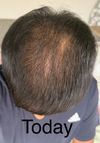
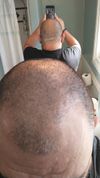
A 19-year-old using finasteride for hair loss seeks advice on additional treatments. Suggestions include microneedling, minoxidil, and ketoconazole shampoo, with concerns about side effects discussed.
The user has been using oral finasteride, oral minoxidil, topical minoxidil, and microneedling to address hair loss but continues to experience recession after 8 months. Suggestions include being patient as treatments can take 12-18 months to show effects, considering a switch to dutasteride, and consulting a dermatologist for potential underlying scalp conditions.
Using tretinoin with minoxidil can enhance hair growth results. Microneedling and ketoconazole shampoo are also used to improve scalp health and treatment efficacy.
The user is using oral finasteride, topical minoxidil, and microneedling for hair loss. Progress has slowed, with the crown showing little change, but the hairline is improving with more thin baby hairs.
The user is concerned about hair loss and is using treatments like dutasteride, microneedling, and topical finasteride, while considering adding RU58841. They are also using Minoxidil on the temples and are worried about testosterone-related hair loss.
The user applied topical 0.1% finasteride and 5% minoxidil, along with weekly microneedling, resulting in significant hair regrowth. The user also lost 10kg through diet and exercise.
Hair loss treatments include finasteride, minoxidil, microneedling, dutasteride, CB-03-01, RU-58841, and experimental options like KY-19382 and stem cell therapy. Some treatments are considered ineffective or risky, such as ketoconazole, PRP, and low-level laser therapy.
The user has been using minoxidil, finasteride, and microneedling for two years, resulting in significant hair regrowth and plans for a 4000 graft hair transplant. The treatments have strengthened the donor area, making a hair transplant feasible.
The user has been using topical minoxidil, topical finasteride, microneedling, and ketoconazole shampoo for 9 months with positive results but is concerned about recent increased shedding. Another user advises that shedding is normal and suggests continuing the treatments consistently for up to a year to see solid results.
The conversation discusses hair regrowth progress using finasteride, with suggestions to add minoxidil and microneedling for better results. The user experienced noticeable improvement and plans to consider a hair transplant.
The user shared their 8-month hair loss treatment progress using Minoxidil 5% with Finasteride, microneedling, and liquid Vitamin D. They advised against junk food, wearing tight caps, and using hair straighteners, emphasizing consistency with a single brand for effective results.
The user is experiencing fluctuating hair regrowth using oral finasteride, topical minoxidil, and microneedling, with the best results in the first four months. Suggestions include being patient through shedding cycles, considering oral minoxidil, and possibly adding dutasteride for stronger results.
An 18-year-old male experiencing hair loss since 2023 is using minoxidil, microneedling, and topical finasteride. He is considering switching to oral finasteride for potentially better results.
The user experienced significant hair regrowth using Rogaine foam, microneedling, Nizoral, liquid minoxidil, and topical finasteride over two years, with most progress in the last six months. They plan to evaluate their progress in the fall and consider a hair transplant if needed.
The conversation is about hair regrowth using topical finasteride, minoxidil, and microneedling, with some users noticing new hair growth. The original poster also takes protein, biotin, and vitamin D supplements and prefers topical treatments due to concerns about side effects from oral finasteride.
The user is using finasteride, minoxidil, and microneedling for hair regrowth and has noticed some improvement after nine weeks. They report no significant side effects and plan to continue the treatment to see further results.
The user shared their hair loss treatment progress using oral and topical dutasteride, topical minoxidil, microneedling, and keto shampoo. They plan to possibly add LLLT, PRP with exosomes, and other treatments in the future.
The user started using finasteride daily and minoxidil twice daily, along with occasional microneedling, to address hair loss. They reported significant hair regrowth with no side effects and shared their progress over several months.
The user reports promising hair regrowth without using finasteride, focusing instead on microneedling, dermarolling, minoxidil, tretinoin, scalp massages, and red light therapy. They emphasize consistency and a healthier, side-effect-free approach.
The user has been using topical minoxidil and finasteride for four months, along with microneedling and Nizoral, noticing thicker lashes and eyebrows but not much scalp hair growth. They apply the treatment twice daily with a 5% minoxidil and 0.3% finasteride solution.
The user shared their journey with hair loss, using minoxidil initially, then adding microneedling and finasteride, and finally undergoing a hair transplant. They expressed regret for not using finasteride earlier due to fear of side effects and found the combination of treatments effective in the end.
Minoxidil caused side effects like chest pain and tinnitus for the user, leading them to stop using it and consider switching to finasteride with microneedling. Other users shared similar experiences with minoxidil, while some reported no issues, highlighting varied individual reactions.
A 22-year-old male is using 5% topical minoxidil, microneedling, saw palmetto, and biotin for hair loss with positive results but is considering switching to finasteride. Many users suggest adding finasteride for better long-term results, with some recommending online prescriptions due to local prescription challenges.
The user experienced significant hair regrowth after 3.5 months using a topical 2-in-1 from Hims, ketoconazole, and weekly microneedling. The user is 37 years old.
A mid-50s Hispanic male uses a combination of topical minoxidil and finasteride, microneedling, a laser cap, and biotin to address hair loss, with noticeable progress over 2.5 years. He experiences some side effects but continues the routine, attributing improvements to these treatments.
The user reported noticeable hair improvement over four months using 1 mg of finasteride and weekly microneedling. Progress photos from October 2024 to January 2025 show positive changes.
The user experienced hair regrowth using topical finasteride 0.1%, minoxidil 10%, and microneedling over a year, recovering about 5 years of hairline and 3 years of density. The treatment was applied to the temples and frontal area, with some recovery in the coronal area attributed to microneedling.
The user experienced significant hair regrowth using finasteride (1.25mg daily) and minoxidil (topical and oral) with occasional microneedling. They noted increased libido as a side effect during the first six months.
The user has been using a combination of 0.3% topical finasteride, minoxidil, ketoconazole, and microneedling once a week for two months with positive results and no side effects. They apply the treatment daily using a spray and have short hair, which makes application easier.
The user has been using finasteride for 20 years to stop hair loss and is considering using minoxidil and microneedling to regrow hair on the hairline. They are also open to trying other treatments like hair transplants but prefer less invasive options first.