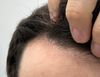
miR-205, a tiny RNA, can stimulate hair growth by softening aging hair follicle stem cells in mice. Future tests aim to see if this can work in humans.
The conversation discusses using high molecular weight hyaluronic acid after microneedling to form a protective barrier, though it's considered expensive and offers marginal improvement. Users share experiences with different microneedling tools like derma rollers, dermastamps, and Dr. Pen, with some opting not to use any products on the scalp.
The user has been using topical finasteride and minoxidil for two years with decent regrowth and recently added microneedling to their routine. They are questioning if the small hairs observed are new regrowth from microneedling or just vellus or miniaturized hairs.
The post discusses the potential of upregulating aromatase to treat hair loss, suggesting that increasing CCL2 levels through Vitamin D or microneedling might help. The user questions why microneedling doesn't work for everyone, especially those with advanced hair loss.
Rhamnose may promote hair growth and pigmentation, suggesting it as a potential hair loss treatment. The conversation discusses its potential alongside known treatments like Minoxidil, finasteride, and RU58841.
The conversation is about improving scalp appearance by regaining adipose tissue and making the skin look better using scalp massages and a moisturizer with hyaluronic acid, ceramides, and urea. The user is not trying to regrow hair but wants to improve the scalp's thickness and appearance.
HMI 115 did not work as expected for hair regrowth in humans, unlike in macaque monkeys. There is anticipation for further research on prolactin's role in hair loss, with expectations that pharmaceutical companies will likely solve this before universities.
A study that outlines the full model for androgenic alopecia (AGA) which links DHT to cellular senescence in dermal papilla cells, and suggests black chokeberry as a source of cyanidin 3-O-arabinoside polyphenol with potential anti-oxidant properties that could reverse this process. The post encourages reaching out to experts in anti-aging and longevity to research treatments involving the polyphenol.
A drug that regrows body parts, but not hair, sparking debate on hair loss treatments. Discussions include the use of finasteride, dutasteride, and the potential for new methods to restore hair.
Mallia Aesthetics has developed MAL-838, a hormone-free product derived from sCD83, which stimulates hair growth without disrupting the skin microbiome. sCD83 promotes hair growth by activating hair follicles and preventing cell death, offering a localized treatment without systemic side effects.
A 22-year-old female with AGA due to PCOS is using 5% minoxidil foam and 2mg finasteride daily, and is seeking advice on microneedling frequency and safety. Concerns about finasteride dosage and its effects on PCOS were discussed, with emphasis on trusting the prescribed treatment plan.
Microneedling may help regrow hair in dormant bald regions by stimulating stem cell transfer. Users discuss its effectiveness and how collagen might aid in the process.
A 19-year-old is concerned about long-term microneedling for hair loss and is unsure if it will remain effective as they age. They experienced side effects from topical finasteride and are considering whether to try it again in the future, while also dealing with body dysmorphia and stress.
The conversation discusses the steps for microneedling, specifically differentiating between medical needling (0.5-1.5mm) and cosmetic needling (0.3mm). It emphasizes the importance of cleaning and disinfecting before microneedling, regardless of needle length.
A user shared their experience with microneedling and minoxidil for hair loss, avoiding finasteride due to concerns about systemic hormone effects. They reported slight hair regrowth after one month and plan to continue the regimen, noting improvements in skin sensitivity and managing dandruff with anti-dandruff shampoo.
Microneedling once a week at 1mm caused bumps, possibly scars, in the treated area. The user is considering cleaning the skin before microneedling to prevent this issue.
Microneedling may enhance hair regrowth by transferring stem cells to dormant follicles, improving the effects of minoxidil. Users discuss using microneedling with needle lengths around 1.5mm to stimulate hair growth.
The conversation discusses using daily microneedling at 0.25mm and red light therapy to enhance hair regrowth, especially when traditional treatments like finasteride and minoxidil become less effective. The combination is said to improve hair density and thickness, with red light therapy being more cosmetic, while microneedling is essential for challenging areas.
The treatment for androgenetic alopecia involves using finasteride and minoxidil with intense exercise and cold exposure to boost metabolism and reduce androgenic effects, potentially leading to hair regrowth. This approach may activate biological pathways for improved hair and overall health.
The conversation is about finding a solution for scalp inflammation related to AGA, with the user expressing frustration that Minoxidil and Finasteride do not address inflammation. The user has researched glucocorticoids and topical NSAIDs for reducing inflammation and seeks advice from specialists.
The conversation discusses using RU58841, topical finasteride/minoxidil, MK677, and microneedling as treatments for hair loss. MK677 is mentioned as a growth hormone that improves hair health and recovery from microneedling.
A Spanish dermatologist suggests sulforaphane for androgenetic alopecia (AGA) due to its potential to remove DHT metabolites, though high dosages are needed. A topical formulation might be possible.
A quercetin-encapsulated and polydopamine-integrated nanosystem (PDA@QLipo) shows promise for treating androgenetic alopecia by reshaping the perifollicular microenvironment, outperforming minoxidil in hair regeneration. The nanosystem promotes cell proliferation, hair follicle renewal, and recovery by scavenging reactive oxygen species and enhancing neovascularity.
Micronutrient testing and deficiencies related to hair loss, particularly androgenetic alopecia (AGA). Discussion includes the impact of iron, selenium, zinc, copper, folate, B12, vitamin E, vitamin D, amino acids, and fatty acids, alongside treatments like dutasteride or finasteride.
NMN shows promise in promoting hair growth by reducing oxidative stress and weakening androgens. It may be a beneficial addition to hair loss treatments like Minoxidil and Finasteride.
A user has been using oral finasteride and minoxidil without significant hair regrowth and is questioning the effectiveness of adding microneedling to their routine. Another user suggests microneedling can help with topical treatments but doesn't see it as a major factor in improving hair loss.
The conversation discusses the use of microneedling for hair loss, with concerns about potential long-term effects like fibrosis and scarring. Users share experiences and opinions on combining microneedling with treatments like minoxidil and finasteride, but there is uncertainty about the long-term safety and efficacy.
2 Deoxy D Ribose may promote hair growth and aid wound healing, potentially enhancing microneedling effects. Users discuss its combination with microneedling for better hair growth results.
The conversation discusses concerns about the potential risk of cancer from creating new hair follicles through microneedling, due to stem cell division. Specific treatments mentioned include microneedling, caffeine-containing anti-hair loss shampoos, and other unspecified topicals.
DHT causes hair loss by driving cells into senescence, and a polyphenol in black chokeberry may reverse this. A product using this theory is being considered for use alongside finasteride, minoxidil, and microneedling.