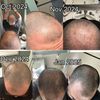
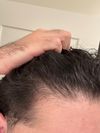
Hair loss discussion involved Finasteride, Minoxidil, and RU58841. User experienced sudden shedding after 1.5 years of Finasteride and Minoxidil use, seeking advice.
A 36-year-old experienced slow, diffuse hair thinning over 15 years and saw significant improvement using 5% topical minoxidil alone for 3 months, without finasteride or microneedling. The user is pleased with the results, noting increased hair density and no visible scalp, and plans to continue monitoring progress without using hormone-affecting treatments.
The user has been using 1mg Finasteride and 5% topical Minoxidil for 9 months with little improvement and is now switching to 5mg oral Minoxidil, continuing microneedling, and adding Anagenil Complex. They are seeking advice on whether to stop topical Minoxidil and the effectiveness of Anagenil Complex.
Using a combination of finasteride, minoxidil, dermarolling, and RU58841 to treat hair loss. Participants discussed the time commitment required for treatment and the effectiveness of different dosages.
The conversation discusses hair regrowth using finasteride, minoxidil, and a dermaroller. Users also talk about the benefits of using a stamp over a derma roller for scalp treatment.
The user noticed increased hair loss over the past three years and is seeking advice. A suggestion was made to consult a dermatologist or trichologist and consider blood tests, particularly for vitamin D levels, to address potential androgenetic alopecia (AGA).
A user who has had positive results from using a regimen of microneedling, finasteride, minoxidil, peppermint oil, keto shampoo and DHT organic shampoo for hair growth. The conversation also addressed whether to use .5mg or 1mg of finasteride and the difference between dermapens and rollers.
The user has been using 3mg oral minoxidil, 1mg finasteride, microneedling, and topical 5% minoxidil for hair loss. They are unsure about the results, noticing some regrowth but feeling dissatisfied overall.
A 24-year-old switched from finasteride to dutasteride and increased oral minoxidil from 5 mg to 7.5 mg, noticing increased hair shedding. Users discuss the safety and effects of high-dose minoxidil, with some suggesting the shedding may be temporary due to dosage changes.
The conversation is about managing allopregnanolone deficiency caused by 5-alpha-reductase inhibitors like finasteride or dutasteride. Specific treatments discussed for hair loss include Minoxidil, finasteride, and RU58841.
A 24-year-old male is losing hair despite using dutasteride and oral minoxidil, with no regrowth from April to October 2024. He is considering increasing his dosage and looking for cheaper prescriptions, while others recommend consulting a trichologist or trying different treatments.
A 24-year-old shared six months of progress using 1mg finasteride daily and topical minoxidil twice daily, reporting improved hairline and temples with no side effects. The user experienced initial shedding but noted significant regrowth and no erectile dysfunction issues.
A 20-year-old started experiencing hair loss at 18 and began using Minoxidil, Finasteride, and a Dermaroller for treatment. After 4 months, he noticed significant improvement, especially on the top of his head, and experienced no side effects from the medications.
The user shared a successful hair regrowth journey using finasteride and oral minoxidil, starting in 2020. They experienced significant improvement without side effects and stopped microneedling due to a fear of needles.
Hair loss treatments discussed include dermarolling, minoxidil, finasteride, and RU58841. Some users find dermarolling sad, while others mention the complexity of biological systems and limited research funding for hair loss.
A 20-year-old has been using minoxidil and microneedling for hair loss but is still losing hair and is considering finasteride or dutasteride for more effective treatment. They seek advice on reliable online sources for purchasing finasteride in Italy.
A user with mild psoriasis on the scalp is using finasteride, topical minoxidil, and dermarolling for hair loss but plans to stop minoxidil on the crown due to psoriasis aggravation. Suggestions include switching to a lipid-based minoxidil, using Ketoconazole shampoo, or trying oral minoxidil.
A 22-year-old male with hair loss is considering treatments like finasteride, minoxidil, and derma rolling after being diagnosed with MPB, vitamin D deficiency, and dandruff. He seeks advice on whether these treatments can realistically improve his hair density and achieve a healthier NW2.
A 33-year-old man used Minoxidil 5% and Tretinoin 0.05% for a year to address hair thinning and receding hairline, resulting in new "baby hairs" filling in thin spots. He applies Tretinoin first, lets it dry, then applies Minoxidil, and notes that consistent use is necessary to maintain results.
The conversation discusses hair regrowth using 2-deoxy-d-ribose (2DDR) combined with minoxidil, with some users noting new hair growth. The original poster has been using minoxidil for 12 years and is considering combining 2DDR with finasteride, despite past side effects.
A 20-year-old is experiencing aggressive hair loss and is using oral finasteride, oral minoxidil, red light therapy, and considering adding dutasteride. Users advise patience, consistency, and waiting 3-6 months for potential regrowth.
A 23-year-old male is experiencing diffuse hair loss and miniaturization, possibly due to high IGE levels after using tofacitinib. He seeks advice and has not yet consulted a dermatologist.
The user experienced worsening hair loss despite using finasteride and topical minoxidil, and is considering switching to dutasteride and oral minoxidil. They also tried microneedling and tretinoin with minoxidil, and are exploring Sulfogenz topical minoxidil.
A user shared their hair loss journey, starting with Finasteride and Minoxidil in 2019, switching to Dutasteride in 2024, and adding topical Minoxidil and Tretinoin. They experienced slight temple thinning, which improved with Dutasteride, and reported no significant side effects except for thicker eyebrows and hair color change.
Topical Dutasteride is more effective than topical Finasteride for treating AGA in men, with fewer side effects. Mesotherapy with Dutasteride, administered every 3 months, shows promising results for hair regrowth and maintenance without daily routines or significant side effects.
A person shares their 10-month hair loss treatment progress using finasteride 1.25 mg daily, topical minoxidil 5% daily, weekly dermarolling with a 1.5mm device, and RU58841 for one month, encouraging others not to give up despite slow results. They noticed their progress after comparing past photos.
A participant using Veradermics VDPHL01, an extended-release oral minoxidil, experienced significant hair regrowth from Norwood 6 to Norwood 3V without side effects. They plan to use dutasteride after the treatment to maintain results.
A 25-year-old experienced worsening hair loss and side effects like low libido and watery semen after using minoxidil, finasteride, and later switching to dutasteride. Despite trying various treatments, including topical solutions and micro-needling, they saw no improvement and are now seeking advice.
The user started oral finasteride, switched to oral dutasteride, oral minoxidil, and microneedling, and is seeing potential hair thickening. Others agree there is regrowth and suggest continuing treatment.
A user has been using sublingual minoxidil for hair loss due to difficulty obtaining pills and is concerned about cancer risk from ethanol exposure. Other users advise against this method, suggesting topical application instead, and debate the potential risks of ingesting topical minoxidil.