Excessive use of topical minoxidil led to unwanted facial changes and side effects. The user plans to switch to oral minoxidil with microneedling for hair regrowth.
The user experienced negative side effects from oral minoxidil, including cardiac issues and excessive sweating, and decided to switch to topical minoxidil while using other treatments like RU58841, Setipiprant, Azelaic acid, and latanoprost. Another user suggested splitting the oral minoxidil dose to reduce side effects.
The conversation is about starting a hair loss treatment using a topical solution containing RU58841, Minoxidil, and Copper Peptides. The user plans to test the product and share updates on its effectiveness.
The user is experiencing hair loss after a hair transplant and is considering using fluridil (Eucapil) and possibly alfatradiol as treatments, as they couldn't tolerate finasteride or minoxidil. The manufacturer of Eucapil confirmed they won't produce higher concentrations due to lack of efficacy.
Switching from liquid to foam Minoxidil to avoid scalp irritation, with a method to melt the foam for easier application. Users discuss alternatives and personal experiences with Minoxidil, including issues with propylene glycol and different application methods.
A 22-year-old is frustrated with ongoing hair loss despite using treatments like topical minoxidil, finasteride, microneedling, oral dutasteride, and oral minoxidil. Their dermatologist suggests treating scalp inflammation with oral tretinoin and using exosomes for alopecia.
An 18-year-old is seeking advice on microneedling while using RU58841 for hair loss. Recommendations include using a derma pen with 0.5mm needles every two weeks and avoiding RU application for 24 hours post-microneedling to prevent absorption into the bloodstream.
The conversation is about a person's hair improvement after 14.5 months using RU58841 and Minoxidil topically at 50 mg each day, with noticeable hairline improvement but incomplete crown area recovery. The person struggles to take good pictures of their crown area.
The user shared their 9-month progress using exosomes and topical minoxidil for hair loss, concluding that minoxidil was more effective for them than exosomes. They plan to continue using minoxidil and have started finasteride while managing dandruff with salicylic acid.
The user is treating hair loss with dermarolling, a laser helmet, scalp massages, and Nizoral. They stopped using minoxidil and finasteride and are considering pumpkin seed oil and sulforaphane.
A user noticed hair loss since age 16 and is now using minoxidil 5% twice daily, scalp massages, and a derma stamp weekly, along with Alpecin Caffeine Shampoo. They report seeing new hair growth and are happy with the progress.
The user is discussing hair regrowth after 7 months of using topical minoxidil and RU58841, with some microneedling. They are hesitant to switch to finasteride or dutasteride and are seeking input on whether there is new growth or just more miniaturization.
The conclusion of the conversation is that the user has experienced significant hair regrowth using a combination of medications, including dutasteride, RU58841, and minoxidil. They have not experienced any noticeable side effects and are considering a hair transplant in the future.
The conversation discusses using topical melatonin for diffuse thinning and mentions treatments like Minoxidil, finasteride, and RU58841. The user is seeking advice on whether melatonin could help with their condition.
Mixing RU58841 with minoxidil compounded with tretinoin is discussed, with concerns about systemic absorption. Topical dutasteride and finasteride are also mentioned as treatments, with varying personal experiences and concerns about side effects.
The conversation is about a user concerned about a prescribed 5 mL daily dose of 5% minoxidil for seborrheic dermatitis and hair thinning, which seems excessive compared to the typical 2 mL recommendation. The user is advised to consult their dermatologist and consider additional treatments like ketoconazole and CBD+MCT.
The user has been treating hair loss with finasteride, dutasteride, oral minoxidil, and pyrilutamide for several years without success and is experiencing an inflamed scalp, possibly due to seborrheic dermatitis. They are seeking advice on additional treatments after these methods failed to improve their condition.
Eucapil/fluridil is discussed as a potential treatment for hair loss, with questions about its effectiveness and why it isn't a primary treatment. Minoxidil, finasteride, and RU58841 are also mentioned as treatments.
The user is allergic to minoxidil and experienced severe itching and redness. They are considering alternatives like finasteride, dutasteride, and dermarolling for hair loss treatment.
User deciding between oral and topical minoxidil, concerned about hypertrichosis and myocarditis interaction. They're using topical finasteride, LLLT, natural oils, dermastamping, and scalp massage, and considering adding oral minoxidil.
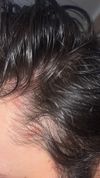
OP experienced significant hair shedding after 8 months of using topical minoxidil and plans to start finasteride. They are concerned about hair loss and have scheduled a dermatologist appointment.
The conversation provides tips to reduce facial skin side effects from Minoxidil, such as changing pillowcases, sleeping on the back, careful application, hydration, and taking breaks. One reply suggests that alcohol in Minoxidil formulations, not Minoxidil itself, may cause skin aging.
Minoxidil 0.5% MMP® showed better results in parietal-vertex regions for less advanced female pattern hair loss compared to Minoxidil 5%. MMP® with Minoxidil can improve the quality of life for these patients.
The user saw hair improvement with minoxidil, finasteride, and a red light cap, noting better results after adding finasteride and stressing routine consistency.
RU58841 stopped scalp itching for the user, providing relief from persistent itchiness associated with hair loss. Some users reported side effects like chest pain, while others found relief with different treatments like mometasone.
A user experienced severe side effects from using topical minoxidil sublingually, including muscle cramps, dizziness, and high potassium levels. They were advised to stop and seek medical help, emphasizing that topical minoxidil is not safe for ingestion due to its alcohol content.
White spots on a bald scalp, likely tinea versicolor, can be treated with ketoconazole or selenium sulfide shampoos like Selsun Blue. Consulting a dermatologist is recommended for proper diagnosis and treatment.
Folligenz liposomal minoxidil sulfate is being discussed for its effectiveness and cost, with users comparing it to regular minoxidil and tretinoin. One user found no difference with the 10% version and noted that a lower tretinoin percentage reduced side effects like skin peeling.
The conversation is about finding a solution for scalp inflammation related to AGA, with the user expressing frustration that Minoxidil and Finasteride do not address inflammation. The user has researched glucocorticoids and topical NSAIDs for reducing inflammation and seeks advice from specialists.
A 59-year-old man with significant hair loss has seen some improvement, including reversal of Retrograde Alopecia and darkening of hair, after switching to RU58841 and a new minoxidil base solution with additional ingredients. He also changed from a derma roller to a derma stamp for application.