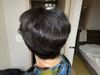
The post and conversation are about using RU58841 mixed with Minoxidil once a night for hair loss. The user experienced side effects from Finasteride and chose RU58841 instead.
A 22-year-old male uses dutasteride, a serum with 10% minoxidil and 0.5% finasteride, and microneedling for diffuse androgenetic alopecia. Progress pictures show changes from July 2025 to February 2026.
A user is considering using topical finasteride, topical minoxidil, RU58841, and dermarolling twice a week to address hair loss after experiencing side effects with oral finasteride. They previously saw positive results with a topical spray containing finasteride, minoxidil, and tretinoin but discontinued use due to laziness.
A male in his early 20s with CCCA (scarring alopecia) started treatment with Finasteride, Fluocinolone, and Doxycycline. Steroid injections were suggested but not yet done.
The user shared progress pictures after 2 months of minoxidil, 1.5 months of microneedling, 1 month of RU58841, and 10 days of topical minoxidil and finasteride. They discussed their hair loss treatment regimen and results.
The user is seeking Malassezia-safe treatments for hair loss and currently uses a baby shampoo, a scalp tonic with antifungal ingredients, and aloe gel. They consider using Kirkland Minoxidil 5% drops and possibly consulting a doctor about Finasteride.
The conversation is about using topical melatonin for hair loss and seeking advice on a safe mixing solution or pre-mixed product. Specific treatments mentioned are minoxidil, finasteride, and RU58841.
The user is using a combination of microneedling, minoxidil, tretinoin, scalp massages, and red light therapy to address hair loss, with a focus on the hairline and temples. They emphasize the importance of scalp massages and have seen regrowth, attributing success to their comprehensive routine.
The conversation discusses a hair loss and scalp care routine involving ciclopirox shampoo, benzoyl peroxide, clindamycin gel, clobetasol propionate, and calcipotriol to manage seborrheic dermatitis, folliculitis, and inflammation. It also touches on the role of diet and other treatments like oral minoxidil and pioglitazone for scalp health.
The post discusses the theory that persistent dandruff in areas prone to hair loss could be a sign of hair follicles dying due to DHT, indicating balding. The responses vary, with some users noting improvements in dandruff and hair loss with treatments like Dutasteride, while others experienced hair loss without dandruff.
The user struggles to cover their entire scalp with 1 ml of RU58841 while using dutasteride and oral minoxidil for hair loss. Suggestions include using a syringe for precise application, applying twice daily, and considering the use of more than 1 ml to ensure full coverage.
A 33-year-old male is documenting his hair regrowth progress using minoxidil, red light therapy, copper peptides, and micro-needling, with noticeable improvement in hair thickness and coverage. He plans to add a topical finasteride/minoxidil spray and aims for a shadow on his scalp rather than a full head of hair.
Pyrilutamide is considered to work for hair loss but less effectively than expected, similar to RU58841, and may cause side effects like chest tightness and sexual issues. It's unclear if it's suitable for diffuse thinners, and one user cannot use minoxidil or finasteride due to side effects and personal circumstances.
A 19-year-old male experienced hair shedding after one year on dutasteride and is considering adding topical minoxidil despite scalp itching. Users suggest continuing dutasteride, maintaining a consistent hair routine, and possibly increasing minoxidil dosage.
A 19-year-old male experienced significant hair loss, initially thought to be male pattern baldness (MPB), and used minoxidil and briefly finasteride. After realizing the issue was telogen effluvium (TE), he improved his diet and supplemented with vitamins, which led to substantial hair regrowth.
The user is experiencing hair loss despite using finasteride and Rogaine, with conflicting diagnoses from different hospitals. One suggests no hair loss, while another recommends continuing medication; a suggestion to see a dermatologist for proper assessment is given.
Switching from oral to topical minoxidil due to increased heart rate. The user seeks advice on maintaining their hair treatment while managing heart rate concerns.
The conversation discusses using tretinoin for hair loss and whether applying SPF on the scalp is necessary if hair covers the treated areas. The user is considering this treatment despite having no completely bald patches.
The user has been experiencing severe scalp itching and red spots after using finasteride for two years, suspecting possible allergies or a fungal infection. Despite trying ketoconazole shampoo and stopping saw palmetto supplements, the symptoms persist, leading to increased hair loss.
The user added witch hazel to their routine with finasteride and topical minoxidil to reduce scalp itching and potentially help with hair loss. They find witch hazel affordable and effective for itch relief, though its impact on hair loss is still uncertain.
The user stopped using minoxidil 5 weeks ago due to facial swelling, which initially subsided but then returned. Despite a healthy lifestyle and normal test results, the user is concerned about the persistent bloating.
The user is experiencing reduced hair shedding and increased hair density after using finasteride, minoxidil, derma rolling, granactive retinoid, and Nizoral, while also taking testosterone and aromatase inhibitors. They question if they are a hyper responder to the treatments, despite mixed feedback from others about visible progress.
Minoxidil may age skin by slowing collagen synthesis, but using collagen peptides and a basic skincare routine might counteract this. Foam minoxidil could reduce systemic absorption and avoid alcohol-related side effects.
A 22-year-old is using dutasteride and oral minoxidil for hair loss but is not seeing improvements and is considering adding pyrilumatide and microneedling. Suggestions include trying topical minoxidil, microneedling, and Nizoral shampoo, with a possible future hair transplant.
The user is experiencing severe hair loss after surgery and stress, with thinning all over the head, including the sides and neck. They are unsure if it's due to DUPA or alopecia areata incognita, and doctors have not observed miniaturization.
A user with alopecia totalis, borderline universalis, seeks advice on getting into a Xeljanz trial or appealing insurance for coverage. They experienced significant hair regrowth but are now seeing hair loss again and want to try Xeljanz.
Creating a liposomal gel with Pyrilutamide for hair loss to reduce systemic effects, similar to Xyon's gel. The discussion includes concerns about ingredient sourcing and the benefits of targeted topical treatments.
User has been using topical finasteride and minoxidil since May, previously used a spray version since January. They are seeing vellus hairs and have added weekly microneedling to their routine.