User experienced itching, redness, and hives from Minoxidil foam and is questioning if they are allergic to Minoxidil or another ingredient. They have switched to oral Finasteride.
The conversation is about the ineffectiveness of 1% ketoconazole for hair loss, with the user stating that studies support the 2% version and even that has minimal results. The user also mentions using minoxidil, which dries out their scalp, and ketoconazole worsens it.
The conversation is about someone's positive experience with 0.5 mg of finasteride daily for hair loss, noting potential contributions from vitamins and health improvements. Side effects and observations from others include watery semen and questions about hair regrowth and shedding phases.
A user mixed peppermint, rosemary, and castor oil and applied it to their scalp, causing excessive hair shedding. They're concerned about permanent hair loss, while another user shared their experience of using undiluted rosemary oil without any major issues.
User discusses Eucapil for hair loss treatment and asks if it helps with itchy scalp. People share their experiences and results, including maintenance or slight improvement.
A user named KarensAnon who has been using minoxidil, finasteride, and derma rolling for hair loss treatments over the past 6 months with successful results in restoring their confidence. Other users have offered support and advice regarding similar treatment plans.
A user who experienced significant hair regrowth over the course of one year by following a regimen including finasteride, minoxidil, Nizoral shampoo, dermarolling, biotin vitamins, vitamin D3 and collagen peptides. The post includes before/after photos and details on the brands used.
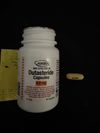
The user switched from finasteride to dutasteride to address temple hair loss and obtained generic oral minoxidil. They are questioning the legitimacy of Camber's dutasteride compared to other options.
The conversation is about a 21-year-old seeking advice on managing hair loss, considering options like shaving, hair implants, or using treatments like finasteride and minoxidil. The user is concerned about self-image and the social implications of being bald at a young age.
The user experienced positive hair growth and thickness after using a daily blend of 1.2mg Finasteride, 3mg Minoxidil, and other vitamins for five months, with noticeable improvements around the 3.5 to 4-month mark. They reported no side effects and emphasized the importance of patience and consistency with the treatment.
Scalp hydration may influence hair growth by affecting the signaling pathways that control the hair growth cycle. Users suggest using facial moisturizer, aloe vera, and oils for scalp hydration.
A user shared their positive experience 9.5 months after a hair transplant at Diamond Hair Clinic in Istanbul, Turkey, mentioning the use of dutasteride, vitamin tablets, and minoxidil shampoo. They expressed satisfaction with the procedure and would choose to do it again.
The user had a hair transplant in March 2025 and has been using finasteride since 2023, which halted hair loss but didn't fully restore density. They plan to use dutasteride twice weekly, finasteride five times a week, and saw palmetto to improve hair thickness.
An 18-year-old is dealing with hair loss and considering minoxidil and finasteride. Suggestions include starting finasteride, saving for a hair transplant, embracing baldness, and focusing on self-improvement.
The conversation discusses the use of dutasteride (0.5 mg daily) for hair loss, with additional treatments like minoxidil, derma rolling, and nizoral shampoo. The user reports positive progress over two years with no significant side effects, emphasizing the importance of consistency and patience.
RU58841 can be ordered as a powder and compounded at home, but it should be stored at room temperature to avoid crystallization. Pyraulatmide may follow a similar principle.
Switching from topical to an oral combo pill (1.2 mg finasteride, 3 mg minoxidil, vitamins) improved hair thickness without noticeable side effects. The user appreciates the convenience of a single daily pill over twice-daily topical applications.
A 40-year-old user shared their experience using finasteride and minoxidil for hair regrowth over a year, noting initial sexual side effects that improved after reducing the finasteride dosage. They also experienced scalp irritation from Rogaine, leading to reduced usage, and expressed satisfaction with the hair regrowth despite ongoing challenges.
The user experienced noticeable hair regrowth and darker beard after one month of using 1mg finasteride and 2.5mg minoxidil daily, with no side effects reported. They also started derma rolling two weeks ago and plan to continue the treatment for further results.
The conversation is about using tretinoin to enhance the effectiveness of minoxidil for hair loss. Tretinoin should be applied at night on dry skin, and it can be used daily, either before or after minoxidil, with a starting dose of 0.025%.
The user switched from finasteride to dutasteride and oral minoxidil, experiencing better hair maintenance and some regrowth. They also addressed vitamin deficiencies, which may have contributed to their progress.
The user shared progress pictures showing hair improvement since July 2025 using a combo pill containing oral minoxidil 5mg, finasteride 1.1mg, and biotin 1mg, with no noticeable side effects. The user feels more confident and has not experienced any shedding.
A plant-based hair growth serum using Centella shows visible results in less than 2 months with minimal side effects. It is considered a promising alternative to conventional treatments like Minoxidil and finasteride.
The user experienced hair regrowth using finasteride, minoxidil, biotin, and vitamins, along with exercise and a healthier diet. They reported no side effects from the treatments.
Microneedling's effectiveness for hair growth is debated, with some users reporting positive results when combined with minoxidil and finasteride, while others experienced scarring and no benefits. Needle depth and frequency vary, with some suggesting 0.5-1mm as effective, but caution is advised to avoid overuse and potential harm.
The user experienced significant hair regrowth after switching to oral finasteride and minoxidil in February 2025. They plan to stop using topical minoxidil gradually and have not experienced significant side effects from the treatment.
A 23-year-old male experienced significant hair shedding after one year on dutasteride and oral minoxidil, despite initial progress. He plans to improve medication consistency, undergo blood tests, and consult a dermatologist to explore potential causes and solutions.
Hair loss treatments include using finasteride, dutasteride, and RU58841. Lifestyle changes like increasing carb intake and moderate alcohol consumption are suggested to boost estrogen levels.
The conversation is about using finasteride (Fin) for hair loss, with the original poster expressing regret for not starting it sooner due to improved hair color and strength. Users discuss their experiences with finasteride, dutasteride, and minoxidil, noting varying results and side effects.
Topical finasteride that doesn't penetrate the skin could potentially treat hair loss without side effects. Current challenges include finding a formulation that remains on the scalp without increasing blood levels.