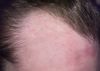
User experiences slow hair regrowth despite using finasteride, topical minoxidil, and supplements like biotin, zinc, and collagen. They seek advice on addressing overall slow hair regrowth.
The user experienced significant hair regrowth using 1mg finasteride daily and 5% minoxidil twice a day over 6.5 months, improving from a Norwood 3.5 to a Norwood 2. Despite progress, they still feel their hair is thin, especially at the temples.
Micronutrient testing and deficiencies related to hair loss, particularly androgenetic alopecia (AGA). Discussion includes the impact of iron, selenium, zinc, copper, folate, B12, vitamin E, vitamin D, amino acids, and fatty acids, alongside treatments like dutasteride or finasteride.
DUPA is considered more treatable than FAPD, as FAPD involves scarring that prevents hair regrowth. The user has started treatment with oral dutasteride and minoxidil, hoping for better results than previous treatments.
A 48-year-old man has been using finasteride at 1mg three times a week for two years, seeing some hair regrowth but noting lighting affects appearance. He is considering adding minoxidil but is concerned about shedding.
A user shared their positive experience with hair regrowth after six months of using minoxidil and finasteride, reporting no side effects. They showed progress photos and expressed hope for full restoration of their hair.
Japanese scientists discovered ABM cells, enabling successful human hair follicle cloning, potentially curing hair loss. The treatment may be available in Japan by 2028, but it will be expensive and require travel.
A user shared their 3-year progress using 1mg finasteride and 5% topical minoxidil twice daily, reporting significant hair regrowth and some side effects like bloating, seborrheic dermatitis, and water retention. The user is happy with the results, noting improvements in both the crown and hairline.
Breezula shows promising results for hair loss, with one trial showing a 539% improvement and another 168%, but lacks combination data with treatments like minoxidil or dutasteride. Its mechanism differs from finasteride, potentially offering fewer side effects by blocking receptors locally at the follicle.
The conversation discusses various theories of hair loss, including DHT sensitivity and genetic factors, with the user willing to use themselves for research due to having a hair loss gene but different hair loss patterns compared to their brothers. Specific treatments were not mentioned in the provided text.
Clascoterone in Winlevi, a topical AR antagonist, is being re-examined due to concerns about HPA axis suppression in adolescents, but it's unlikely to be banned for adult use in androgenetic alopecia (AGA). The European Medicines Agency recommended refusing Winlevi for acne vulgaris, but this may not affect Breezula's approval for AGA.
An 18-year-old male with a family history of baldness started using 5% minoxidil and 0.01% finasteride spray for hair loss. Suggestions included getting a blood test, considering oral dutasteride, and trying oral minoxidil.
A 21-year-old male suffering from male pattern baldness is using topical finasteride and minoxidil, and oral minoxidil. His bloodwork shows normal DHT levels and slightly high testosterone, leading to discussions about the role of DHT sensitivity in hair loss, the potential impact of finasteride on his DHT levels, and the suggestion to proceed with oral finasteride due to his high testosterone.
A user shared progress pictures showing hairline improvement after 2 years of using topical Minoxidil, 1mg oral Finasteride, and sporadic microneedling. Another user praised the progress and shared mutual encouragement.
Hair regrowth in transfems is more effective due to hormonal changes, specifically estrogen, which keeps hair in growth phase longer. Treatments mentioned include anti-androgens, sex hormones, and DHT blockers like finasteride.
EDHARRINGTON's journey to regrow his hair using finasteride, topical minoxidil, and micro-needling treatments over 4 years, with others commenting their support and admiration for his results.
PP405 and GT20029 are new hair loss treatments with different mechanisms from traditional options like Minoxidil and Finasteride. PP405 targets hair follicle stem cells to reactivate growth, while GT20029 works as an androgen receptor deleter, both requiring ongoing use for effectiveness.
The conversation discusses hair loss treatments, with some users advocating for finasteride and minoxidil, while others express concerns about potential side effects of finasteride. A social media influencer is criticized for promoting scalp massages and minoxidil over finasteride, which some believe is misinformation.
A peptide from Japanese water chestnut fruit may help with hair loss by suppressing DHT's effect on hair follicle cell death, potentially serving as a finasteride alternative. The treatment's effectiveness and safety in humans remain uncertain.
The conversation discusses the potential of a new hair loss drug, CB-03-01, with users sharing their experiences and seeking advice on dosages and application methods. One user mentions using topical finasteride, minoxidil, dermarolling, and a clean diet for hair maintenance but is interested in CB-03-01 due to side effects from finasteride.
A 19-year-old male shared his 3-month hair regrowth progress using finasteride, minoxidil, and microneedling, with noticeable improvement. He uses 1mg oral finasteride daily, 5% minoxidil foam twice a day after day 80, and microneedles with a 1.5mm derma stamp every 1-2 weeks.
A treatment containing Wnt and Follistatin was found to be safe and effective for hair regrowth in a Phase 1 clinical trial. Specific treatments discussed include Minoxidil, Finasteride, and RU58841.
GT20029 is a potential treatment for androgenetic alopecia, addressing the root cause by targeting androgen receptors, unlike Minoxidil or Finasteride. It is seen as a preventative measure rather than a regrowth agent, with hopes for market release soon.
Topical pirfenidone is highlighted as an effective anti-inflammatory and anti-fibrotic treatment for hair loss, particularly in addressing perifollicular fibrosis, which may enhance the effectiveness of standard treatments like finasteride and minoxidil. The user also uses calcipotriol, MCT oil, ciclopirox shampoo, and benzoyl peroxide shampoo as part of their regimen.
Oral minoxidil significantly increases hair growth, including facial hair, in a short period. Some users suggest combining it with finasteride for better long-term results, despite potential side effects.
A 31-year-old man successfully used oral minoxidil and finasteride for hair regrowth over eight years, experiencing minimal side effects like initial shedding and increased body hair. He credits these medications for preserving his hair despite a family history of baldness.
Adipose-derived stem cells with ATP improved hair regrowth in male and female mice with androgenetic alopecia. The most effective treatments were low dose stem cells with ATP for males and medium dose stem cells with non-liposomal ATP for females.
The user experienced significant hair regrowth using 5% topical minoxidil and 1mg finasteride daily, despite multiple shedding phases, and emphasizes the importance of starting treatment early and maintaining consistency. They advise against obsessing over online forums during shedding periods and recommend checking for scalp conditions like seborrheic dermatitis and ensuring proper nutrition.