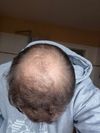
A user reports high DHT levels despite taking finasteride and is concerned about inconsistent blood test results. They also take modafinil, vitamin D, and magnesium supplements.
A man shared his 4-month progress using finasteride, minoxidil, and microneedling for hair loss treatment. He experienced positive results without side effects, and plans to continue the regimen.
GT20029 is a potential treatment for androgenetic alopecia, addressing the root cause by targeting androgen receptors, unlike Minoxidil or Finasteride. It is seen as a preventative measure rather than a regrowth agent, with hopes for market release soon.
The user shared progress pictures showing hair regrowth over 4.5 months using 1.25mg finasteride daily and 2.5mg oral minoxidil daily, with no side effects reported. Commenters complimented the early treatment initiation and positive results.
The post is about a user's successful hair regrowth over a year using daily finasteride and minoxidil. The user initially applied minoxidil twice daily, then reduced to a few times a week, and took oral finasteride every morning without side effects.
The conversation is about a 25-year-old considering whether to start using hair loss treatments like Minoxidil, finasteride, or RU58841, or to shave his head. He is seeking advice due to his family history of baldness.
PP405 and GT20029 are new hair loss treatments with different mechanisms from traditional options like Minoxidil and Finasteride. PP405 targets hair follicle stem cells to reactivate growth, while GT20029 works as an androgen receptor deleter, both requiring ongoing use for effectiveness.
User is experiencing hair thinning and sebum overproduction after starting finasteride and a hair growth supplement containing biotin, iron, zinc, and calcium. They suspect the finasteride might be fake but have noticed a side effect of watery semen.
A user shared progress pictures showing significant hair regrowth from using 1mg finasteride, Minoxidil, vitamins, and dermarolling over 4 months. The user reported no side effects and takes a generic multivitamin and biotin.
A 30-year-old male shares his 6-month progress using 1mg oral finasteride and 2.5mg oral minoxidil, noting increased hair thickness and regrowth. He also mentions using supplements like biotin and cod liver oil and discusses the convenience of combined pills.
The conversation discusses a live stream presentation on Pelage PP405 for hair regrowth, with skepticism about its effectiveness compared to minoxidil. Some users express doubt and suggest sticking to proven treatments like minoxidil, finasteride, and RU58841.
Finasteride and minoxidil are praised for effectively treating hair loss, with users sharing positive experiences and some discussing side effects. Others express concerns about limited treatment options and the need for more research and alternatives.
A user's two-year progress using 1mg of oral finasteride daily and twice daily application of 5% minoxidil solution for hair loss. The user experienced temporary side effects but is pleased with the results, and another user warns about the importance of consistent use for maintaining results.
The user shared progress pictures after 3 months of using finasteride 1mg daily and minoxidil 5% twice daily, showing significant hair regrowth, especially at the temples. The discussion includes positive feedback on the results and tips on managing hair care while using these treatments.
The user has been using finasteride and minoxidil for over a year and is seeing thin hair regrowth with some 1cm hairs still growing. They are considering a hair transplant and are taking zinc to manage side effects.
The user shared progress pictures after 4.5 months of using 0.5 mg finasteride and 2.5 mg minoxidil daily for hair loss, considering increasing the finasteride dose after 6 months. Some attribute the improvement to the hair transplant, while others inquire about changes in crown density.
PP405 shows promise for reactivating hair follicles, with potential maintenance using 5AR inhibitors. Current treatments like Minoxidil and finasteride are effective but have limitations, and there is hope for more effective solutions in the future.
A user's successful hair regrowth after 7 months of using 5% minoxidil, 1mg finasteride, and adding micro needling 4 months ago. The user also took biotin, fish oil, and collagen supplements, and reduced finasteride intake to once every 3 days due to minor libido decay.
Clascoterone in Winlevi, a topical AR antagonist, is being re-examined due to concerns about HPA axis suppression in adolescents, but it's unlikely to be banned for adult use in androgenetic alopecia (AGA). The European Medicines Agency recommended refusing Winlevi for acne vulgaris, but this may not affect Breezula's approval for AGA.
A user shared progress pictures showing hair improvement after using 5% topical minoxidil for 8 months and 1mg oral finasteride for 4 months. The user is pleased with the results, noting less scalp exposure despite hair not being as thick as before.
A user shared their 20-week progress using oral finasteride (1mg) and oral minoxidil (3.3mg) for hair loss, noting significant improvement in hair thickness and coverage. Another user complimented the progress.
The conversation discusses hair loss treatments, focusing on the use of topical minoxidil, microneedling, finasteride, and dutasteride, while debating the role of testosterone and DHT in hair loss. It also touches on the potential liver health impacts of these treatments and the genetic sensitivity of hair follicles to androgens.
Micronutrient testing and deficiencies related to hair loss, particularly androgenetic alopecia (AGA). Discussion includes the impact of iron, selenium, zinc, copper, folate, B12, vitamin E, vitamin D, amino acids, and fatty acids, alongside treatments like dutasteride or finasteride.
Safflower oil is suggested as an alternative to minoxidil for hair growth, with benefits including scalp conditioning and hair strength enhancement. Studies indicate it may also reverse scalp dermatitis, alopecia, and prevent premature grayness.
PP405 shows promise in activating dormant hair follicles and increasing hair counts but lacks detailed efficacy data compared to minoxidil and finasteride. Opinions are mixed, with some optimism and skepticism about its effectiveness.
A man, 35, shows 3-month hair regrowth progress using 0.4mg oral finasteride, 1.0mg minoxidil, topical minoxidil once daily, weekly dermastamping at 1.5mm, and ketoconazole shampoo. He experienced initial worsening, has no side effects, and received positive feedback on his early results.
Hair loss is linked to cellular physiology and the IGF-1 to TGF-B1 ratio, not just androgen sensitivity. The theory lacks evidence, while finasteride and minoxidil are effective treatments.