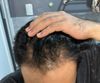
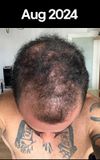
A 32-year-old male has been dealing with hair loss since 2010 and started treatment 11 months ago. He used dutasteride, finasteride, minoxidil, multivitamins, vitamin D3, PRP, and a laser cap, resulting in improved hair density despite ongoing shedding.
A user shared their experience with hair loss treatment using finasteride (1mg) and minoxidil (1ml), noting significant shedding phases but hoping for improvement. Shedding is a common synchronized effect of the treatment, which may desynchronize over time, potentially taking over 5 years.
Melatonin at a 0.0033% concentration shows results for hair loss when used topically. A user is discussing how to replicate this by adding 2mg of Melatonin to 60ml of Minoxidil solution.
The conversation is about the safety of using a dermastamp at 0.25mm depth twice a day when applying Minoxidil. The user seeks confirmation on whether this practice is safe despite mixed opinions.
The user is experiencing increased hair shedding and is concerned about regression despite consistent use of finasteride, minoxidil, and other treatments. The consensus is that this is likely a temporary shedding phase, and adjustments to the dermarolling frequency are suggested.
Low-dose daily aspirin reduces the effectiveness of topical minoxidil in treating androgenetic alopecia. Aspirin inhibits sulfotransferase enzymes, which are necessary for minoxidil to work.
The user is experiencing heavy hair shedding and a receding frontal area despite using finasteride and minoxidil. They are considering switching to dutasteride for better results.
A user is treating hair loss with Dutasteride, Minoxidil, RU58841, Derminator 2, Vitamin D, Biotin, and Zinc. After 6 months, there's no significant visual improvement, but the user feels less insecure about Retrograde Alopecia.
The user has been using 0.5 mg Dutasteride daily for 7 months, along with minoxidil and ketoconazole shampoo, and is unsure about hair regrowth progress. Other users note some improvement and encourage patience.
An 18-year-old woman experiencing hair loss due to stress, possible PCOS, and low vitamin D is concerned about starting 5% minoxidil foam, prescribed by her doctor, due to potential facial hair growth. She is also using a topical steroid for scalp sensitivity and pain.
Stefano, a 20-year-old male, experienced significant hairline shedding and thinning after using topical Minoxidil, along with rosemary/jojoba oil, biotin tablets, caffeine shampoo, and a dermaroller. He is uncertain whether to continue the treatment in hopes of regrowth or stop and potentially return to his original hair condition, while a reply suggests using finasteride or dutasteride to address the underlying cause of hair loss.
The conversation discusses a person's hair loss treatment over 1.1 years with finasteride, 1.5 years with minoxidil, and 2 months of microneedling, noting less shedding since starting vitamin D3 a month ago. Commenters are impressed with the results.
Adding melatonin to minoxidil can improve hair growth and thickness, and it's easy to use with minimal side effects. The recommended concentration for melatonin in the solution is between 0.05% and 0.2%.
A user is considering switching from regular 5% minoxidil foam to a compounded 5% minoxidil spray with added caffeine, melatonin, and tretinoin for easier application and potentially better results. Another user mentions that tretinoin can enhance minoxidil's effectiveness by converting it to its active form.
Visible hair improvement after 10 weeks using minoxidil, estradiol enanthate, acetophenide algestone, and bicalutamide. The user is a 25-year-old male with reduced testosterone levels, expressing a preference for less masculinity.
This post and conversation are about the molecular mechanisms triggered by microneedling, specifically its effects on inflammation, tissue remodeling, epithelial proliferation, differentiation, and collagen synthesis. The discussion highlights the potential benefits of microneedling for hair loss treatment.
A 23-year-old male is experiencing aggressive hair loss despite using 1mg finasteride and 4.5mg minoxidil, with limited progress and side effects like fluid retention. Suggestions include trying dutasteride, microneedling with topical minoxidil, and considering hair systems or a transplant in the future.
The user is treating alopecia areata with 1.25mg oral minoxidil daily and topical mometasone furoate, considering increasing the dose or adding finasteride, though finasteride is not typically used for this condition. A gluten-free diet is suggested, and alternatives like Olumiant are mentioned.
A 25-year-old with AGA experienced hair thinning and dandruff, stabilized with topical finasteride and minoxidil but saw minimal regrowth. They seek advice on styling and consider oral minoxidil and microneedling for denser hair.
A user shared their positive experience with hair regrowth using 1mg finasteride and 5% topical minoxidil daily, showing significant improvement in hair density over six months. The conversation includes supportive comments and questions about the treatment details, such as whether finasteride was taken orally or topically and if microneedling was used.
The user experienced hair shedding after using finasteride and topical minoxidil since August 2024, and briefly adding oral minoxidil in early 2025. They suspect the shedding might be due to the oral minoxidil, a bad batch of finasteride, or a normal shedding cycle, and are also experiencing an itchy scalp and acne.
The user has been using 1mg finasteride daily, 2.5mg minoxidil daily, topical tretinoin three times a week, and topical minoxidil daily from June 2023 to June 2025 without noticeable improvement in hair loss. Suggestions include switching to dutasteride and increasing oral minoxidil to 5mg daily, but concerns about long-term health effects are raised.
The user has been experiencing diffuse hair thinning despite using finasteride, minoxidil, dermarolling, clobetasol cream, and PRP sessions. They seek advice on additional treatments and are advised to check vitamin D, iron, and thyroid levels.
The user used finasteride but stopped due to side effects, then used topical minoxidil for 13 months, and later added KX826/pyrilutamide for 8 months. They experienced shedding after starting pyrilutamide and use minoxidil and KX826 once daily.
The conversation is about personal experiences with Alfatradiol (Pantostin) for hair loss and whether it causes shedding similar to Minoxidil. People are sharing their experiences with this treatment.
The user has been experiencing prolonged hair shedding despite using Dutasteride, Minoxidil, and topical Finasteride, with blood tests showing high free testosterone and low SHBG. Suggestions include adjusting Minoxidil dosage, considering topical anti-androgens like RU58841, and addressing metabolic factors to increase SHBG.
Minoxidil may age skin by slowing collagen synthesis, but using collagen peptides and a basic skincare routine might counteract this. Foam minoxidil could reduce systemic absorption and avoid alcohol-related side effects.
The user is experiencing significant hair shedding and suspects it may be due to low serum ferritin levels rather than worsening androgenetic alopecia. They have resumed iron supplementation and are seeking additional solutions to address the shedding.
A user is starting a hair loss treatment with Minoxidil (5 mg oral and 10% topical), Dutasteride, and Zinc, and is concerned about the high dosages. Other users suggest following the dermatologist's advice, starting with topical treatments, and discussing dosage concerns with the doctor.