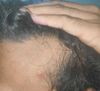
The user left their 2.5 mg pills at home and is considering using 5% topical minoxidil as a substitute. They also inquire about where to obtain over-the-counter minoxidil pills.
An 18-year-old woman experiencing hair loss due to stress, possible PCOS, and low vitamin D is concerned about starting 5% minoxidil foam, prescribed by her doctor, due to potential facial hair growth. She is also using a topical steroid for scalp sensitivity and pain.
A 26-year-old male with early hair thinning is using finasteride, topical minoxidil, and supplements for deficiencies in iron, B12, and vitamin D3. He is considering adding oral minoxidil to his treatment plan.
A 36-year-old man is using topical 5% Minoxidil for hair thinning and is considering adding 3mg Minoxidil pills as recommended by a dermatologist. He is concerned about potential side effects and increased shedding but cannot access Finasteride due to strict regulations.
Oral minoxidil may require potassium for effectiveness, and diuretics taken for water retention might affect this process. The user plans to start taking potassium to address potential issues with minoxidil's effectiveness.
Dustaride doesn't require avoiding any vitamins, but checking vitamin D levels and supplementing if deficient is suggested. Hair vitamins are generally unnecessary unless there's a deficiency.
The conversation discusses a hair loss prevention regimen using a custom topical treatment with Dutasteride, Minoxidil, Latanoprost, Cetirizine, Tretinoin, Vitamin D3, and caffeine, along with supplements like iron, selenium, vitamin D, and vitamin B. The user advises against expensive treatments like LLLT caps and unnecessary natural supplements.
Taking 1000mg l-arginine alongside 0.5 mg finasteride every other day helped alleviate erectile dysfunction and possibly increased libido. The user recommends trying l-arginine for those experiencing sexual side effects from finasteride.
The user is using a mix of supplements, including Minoxidil, to address androgenetic alopecia and is concerned about zinc dosage potentially causing issues. They plan to discuss their treatment and supplement regimen with a dermatologist.
The conversation is about hair loss and regrowth, with the original poster discussing iron deficiency and using iron supplements. Other users mention treatments like finasteride, minoxidil, ketoconazole shampoo, and hair care products for managing symptoms.
The user is experiencing significant hair regrowth with 5 mg oral minoxidil and 1 mg finasteride but also side effects like eye puffiness and hypertrichosis. They are considering reducing the minoxidil dose to 2.5 mg to lessen side effects and are curious about caffeine serums for eye puffiness.
An 18-year-old started taking 1.5 mg oral minoxidil daily for diffuse thinning but is hesitant to use finasteride due to potential side effects. They are questioning if minoxidil alone will be effective.
Taking oral Vitamin D alongside topical minoxidil improves hair density more than using minoxidil alone. Users discuss Vitamin D dosages, potential benefits, and the importance of combining it with Vitamin K2.
Taking 5mg oral minoxidil at night instead of splitting 2.5mg doses, with the rationale that a single larger dose may provide a stronger activation for hair follicles and reduce peak-related side effects. Some users report sleep issues with nighttime dosing, while others find it beneficial; opinions on effectiveness and side effects vary.
The conversation discusses using Musely's classic formula for hair loss, which includes minoxidil, dutasteride, tretinoin, ketoconazole, and hydrocortisone. Concerns are raised about hydrocortisone and the high concentration of dutasteride, with a preference for using research-backed concentrations without hydrocortisone.
Oral minoxidil can cause severe side effects, including heart issues, even at low doses. Users suggest starting with a lower dose or using topical treatments to minimize risks.
Microneedling for hair loss should avoid anti-inflammatory supplements like garlic, Vitamin E, fish oil, turmeric, and NSAIDs for 3 days before and 5 days after the procedure to enhance collagen production. Completely abstaining from these supplements may be unnecessary, but caution is advised around the procedure time.
A user is considering tapering off finasteride due to concerns about long-term side effects and cost, and is exploring alternatives like zinc and saw palmetto. Their current regimen includes finasteride, Adderall, zinc, bupropion, fish oil, baby aspirin, Rogaine foam, and ketoconazole shampoo.
Adding melatonin to topical hair loss treatments like Minoxidil can promote thicker hair growth, with the only side effect potentially being improved sleep. Melatonin is affordable and easy to mix into solutions.
A user ordered a compounded medication from Musely containing Dutasteride, Minoxidil, and other vitamins, expressing concerns about its contents and effectiveness. Another user shared their experience with side effects but noted hair regrowth, while adjusting the dosage to reduce symptoms.
A user experienced severe side effects, including heart-related symptoms, after increasing their oral minoxidil dosage to 5 mg, leading them to stop the medication and seek medical advice. Many users advised against high doses of oral minoxidil, suggesting anxiety as a possible cause, and recommended consulting a doctor or switching to topical treatments.
Oral minoxidil may cause heart palpitations, especially in those sensitive to caffeine. It's advised to consult a doctor and consider starting at a low dose or using topical minoxidil.
A woman experiencing hair loss due to high testosterone and low vitamin D is using treatments like Dutasteride, Rogaine, zinc, ketoconazole shampoo, dermastamp, iRestore, multivitamins, scalp massager, and vitamin D. She plans to switch to oral Minoxidil under medical supervision.
User experienced dizziness on 1.25 mg of finasteride, reduced to 0.75 mg and felt better. They also use zinc, B complex, green tea extract, derma roll with caster oil, and nizol shampoo.
A 26-year-old is taking 1mg finasteride for hair loss prevention, experiencing side effects like low libido, and considering adding minoxidil but is hesitant. Users suggest sticking with finasteride, possibly adjusting the dosage, and incorporating scalp massages or microneedling to improve results.
The conversation discusses hair loss treatments, including minoxidil, finasteride, biotin, folic acid, zinc, micro-needling, niacin, and cipaxil, with the user preparing for a hair transplant. The user experiences side effects with topical finasteride and is hesitant to try oral dutasteride.
A 26-year-old male with grade 3 hair loss is using 2.5 mg oral minoxidil, 1 mg finasteride, 5% minoxidil, ketoconazole shampoo, and kLM d3. He plans to post progress pictures every 6 weeks and is seeking suggestions.
A user reduced finasteride dosage due to side effects and plans to stop it gradually while continuing minoxidil 2% daily. They aim to replace finasteride with healthy habits, exercise, and supplements.
A user wants to add cetirizine tablets to their minoxidil bottle and asks how many 10mg tablets to crush for a 100ml bottle. They seek advice on the correct dosage.
A young woman, 23, is experiencing all-over hair thinning and has been using Minoxidil 5% foam, iron supplements, and vitamin D with no improvement. She feels depressed and is seeking support and advice on what to try next.