Search
for
Sort by
Community Join
300-330 / 1000+ resultscommunity Clascoterone 5% Delivers Strong Phase 3 Hair-Growth Results | Dermatology Times
Clascoterone 5% shows promising hair growth results but is criticized for high cost and unclear effectiveness compared to other treatments like finasteride. Glenmark is testing a combination of Clascoterone 7.5% and Minoxidil 5% in India.
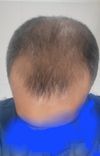
community Shave it or treat it need advise on mpb genetic
A 31-year-old experiencing rapid hair loss is considering whether to shave their head or use treatments. They were prescribed B12, topical finasteride 0.1%, and minoxidil 10% but are unsure about the correct dosage and potential side effects.
community 6 years fighting the Norwood reaper
The user has been managing hair loss with microneedling, Nutrafol, topical finasteride/minoxidil foam, LLLT, and Nizoral, and plans to add oral minoxidil. They are seeing improvement and are cautious about using oral finasteride due to past gynecomastia concerns.
community 2 months in of oral Dut and Min not sure if regrowth or continued loss
The user is using oral dutasteride and minoxidil for hair regrowth and is unsure if there's progress after two months. They plan to wait longer for clearer results and consider adding microneedling to their routine.
community Do I have to continue microneedling after minoxidil regrowth?
The user is considering using minoxidil, finasteride, and microneedling for hair regrowth and is concerned about maintaining progress if they stop microneedling. They are also contemplating switching from topical to oral minoxidil for convenience.
community Dutasteride Mesotherapy in NJ or PA
A user is seeking recommendations for doctors who perform Dutasteride mesotherapy in NJ or PA, as they are having trouble finding one through Google. The conversation focuses on finding a suitable provider for this specific hair loss treatment.
community 3 & 7 months progress on Topical Min and Topical Fin
The user shared progress pictures showing hair regrowth over 7 months using topical Minoxidil, topical Finasteride, and multivitamins with biotin, noting more regrowth at 3 months than at 7 months. They suspect a shedding phase and are considering the impact of not continuing microneedling.
community Whats this thing on my scalp I tried killing it for over a year with salicylic acid and freeze off but it doesn’t help. Could this thing affect my follicles ? My hairloss started when this thing grew and minoxidil and fin haven’t been doing anything any other treatments?
A user's scalp issue that may be causing their hair loss and potential treatments, such as salicylic acid, finasteride, minoxidil, ketoconazole shampoo, and visiting a dermatologist.
community 8.5 month transplant + meds update - 2,689 grafts
Ibrox1972 shared an 8.5-month update on their 2,689-graft hair transplant by Dr. Raghu Reddy in London, along with using oral finasteride, oral minoxidil, and microneedling. Users praised the natural-looking results and discussed the importance of choosing a skilled doctor.
community 8 Months on 1.0mg Finasteride every day and 1.5mm Microneedling every 2 weeks!
A user who reported positive results from using 1.0mg Finasteride daily and 1.5mm Microneedling every two weeks for eight months, as well as advice about adding Minoxidil to further improve the regrowth process.
community The ending of alopecia? Corticosterone inhibits GAS6 to govern hair follicle stem-cell quiescence
Corticosterone inhibits GAS6, affecting hair follicle stem-cell activity, with potential implications for stress-related hair loss. Ashwagandha and Vitamin K are suggested for reducing cortisol, but their effectiveness is debated.
community Pyrilutamide +Alfatradiol 0.1% , no Hairloss anymore
OP experienced diffuse thinning for 11 years and used Minoxidil and Finasteride previously. They now use Pyrilutamide 0.5% and Alfatradiol 0.1%, resulting in significantly reduced hair loss.
community 6.5 month progress with Dustasteride, Topical minoxidil and microneedling.
Progress made in treating hair loss using Dustasteride, topical Minoxidil and microneedling.
community 5 weeks Min + vit D/Zinc/biotin/collagen progress
community Regrowth Progress. Nuclear Stack. Dut, Min, RU, Keto, Monthly Microneedling 30M.
The conversation is about hair regrowth progress using a combination of treatments: dutasteride, minoxidil, RU58841, ketoconazole, and monthly microneedling. The user reports that microneedling and topical minoxidil had the most impact on their hairline.
community 7 month update (Dut 0.5 daily, topical min 5% twice a day - 5.5 months, microneedling 3 months)
The user experienced significant hair regrowth using dutasteride 0.5 mg daily, 5% topical minoxidil twice a day, and microneedling over several months. They also used ketoconazole shampoo and rosemary oil, reporting some side effects but overall positive results.
community Spanish dermatologist suggests sulforaphane for AGA
A Spanish dermatologist suggests sulforaphane for androgenetic alopecia (AGA) due to its potential to remove DHT metabolites, though high dosages are needed. A topical formulation might be possible.
community 0 - 3 - 5 - 8 weeks Frontal Temporal Recession: Minoxidil foam 2x/day + weekly microneedling (m21)
The user documented hair regrowth progress over 8 weeks using Minoxidil foam twice daily and weekly microneedling. Another user suggested adding finasteride for better results.
community My 3 months progress pictures on Big3 (finasteride 0.15mg once morning no side effect, minox twice a day, 0,75mm microneedling once a week) what do you think?
User shares 3-month progress with Big3 treatment (finasteride 0.15mg, minox twice a day, 0.75mm microneedling weekly). Others discuss results, dosage, and potential benefits of higher finasteride dose.
community Meta analysis: Topical or mesotherapy dutasteride is more effective than topical finasteride in the treatment of AGA in men
Topical Dutasteride is more effective than topical Finasteride for treating AGA in men, with fewer side effects. Mesotherapy with Dutasteride, administered every 3 months, shows promising results for hair regrowth and maintenance without daily routines or significant side effects.
community Can Micro Needling be harmful in long term?
The conversation discusses the use of microneedling for hair loss, with concerns about potential long-term effects like fibrosis and scarring. Users share experiences and opinions on combining microneedling with treatments like minoxidil and finasteride, but there is uncertainty about the long-term safety and efficacy.
community Advanced AGA and DUPA at 25. Starting Nuclear Stack: Day 178 (6 months-ish)
A user is treating hair loss with Dutasteride, Minoxidil, RU58841, Derminator 2, Vitamin D, Biotin, and Zinc. After 6 months, there's no significant visual improvement, but the user feels less insecure about Retrograde Alopecia.
community is this regrowth or maintenance or loss? 4 months difference
The user experienced noticeable hair regrowth after using finasteride for 2 years, oral minoxidil for 1 year, and recently starting dermarolling. The right temple shows significant improvement, while the left remains similar.
community Is this hair regrowth at my hairline? Also, I suck with microneedling.
The user recently started topical dutasteride and microneedling, and has been using RU58841 and Minoxidil for 16 months. They are curious if small black dots at their hairline indicate hair regrowth.
community COQ10 + PQQ for scalp inflammation??
A 32-year-old male with diffuse thinning and seborrheic dermatitis has been using finasteride for 8 months without improvement. He is considering COQ10 + PQQ supplements for scalp inflammation and hair loss.
community Am I responding to Min + Fin + microneedling
A 33-year-old male has been using minoxidil, finasteride, and microneedling for hair loss since February 2024. Opinions vary, with some seeing no improvement and others noting stabilization.
community Am I a Hyper Responder or is this Normal Growth
The user experienced significant hair regrowth in 5 weeks using Minoxidil, Finasteride, Dutasteride, biotin, collagen, derma stamping, and a mixture of oils, leading others to label them a "hyper responder." Some users advised caution with microneedling frequency to avoid potential scarring.
community 5 months on Minoxidil + 1mg Fin + Consistent Scalp Massage
Using minoxidil, finasteride, and consistent scalp massage improved hair growth. Adding pepper and garlic daily also contributed to better results.
community 6 month post-transplant, Dr Carman MD surgeon
A user shared their positive experience with a hair transplant performed by Dr. Timothy Carman, using 1100 grafts via FUT surgery, and reported satisfaction with the results and minimal scarring. The user continues to use minoxidil and finasteride for hair maintenance.