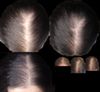
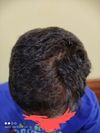
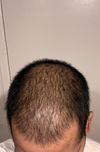
Switching from topical to oral minoxidil caused acne breakouts, leading the user to revert to topical use. Finasteride was also used, but acne was suspected to be linked to oral minoxidil.
Oral minoxidil can cause multiple facial hairs to grow from one follicle, known as Pili Multigemini, leading to ingrown hairs and zits. Users report increased facial and body hair growth, with some experiencing fewer issues after switching to dutasteride.
White spots on a bald scalp, likely tinea versicolor, can be treated with ketoconazole or selenium sulfide shampoos like Selsun Blue. Consulting a dermatologist is recommended for proper diagnosis and treatment.
The user shared their 3.5-month progress using topical minoxidil, ketoconazole shampoo, and dermarolling for hair loss, and plans to start finasteride. They experienced relief from scalp issues with ketoconazole and are managing side effects from minoxidil.
A user shared their 5-month progress using a topical treatment with finasteride, minoxidil, and retinoic acid, noting some hair growth but also shedding. Another user encouraged them, sharing their own experience of gradual improvement over 12 months and advising patience.
The user experienced significant hair regrowth in two months using finasteride, topical minoxidil, and weekly microneedling, but developed dark spots on the scalp, possibly from irritation. They plan to try ketoconazole shampoo to address the issue and will consult a dermatologist.
The user experienced increased hair loss and scalp itchiness despite using finasteride and plans to resume minoxidil and start microneedling. They are considering using clay, Aveda thickening tonic, and a beanie to manage the appearance of thinning hair.
User shared progress pictures after 2.5 months of using minoxidil twice daily on eyebrows and temples, along with dermarolling 1-2 times weekly with a 1.5 mm roller. They discussed noticeable improvements in hair growth.
A user is experiencing worsening hair loss despite using dutasteride, oral minoxidil, ketoconazole, and dermarolling. They are advised to reduce dermarolling frequency and depth to avoid damaging hair follicles.
A humorous discussion about random, long hairs appearing on the body, with no connection to hair loss treatments like Minoxidil, finasteride, or RU58841. Participants share personal anecdotes about these unusual hairs.
The conversation discusses the link between seborrheic dermatitis, acne, and male pattern baldness, suggesting that DHT may cause both skin conditions and hair loss. Treatments mentioned include RU58841, finasteride, dutasteride, minoxidil, Nizoral shampoo, and other topical anti-androgens.
Minoxidil can cause flaky skin, and users suggest using ketoconazole 2% shampoo three times a week and a pH-balanced shampoo on other days to help manage it. Argan oil was considered but may leave hair oily.
The user's hair appears to have improved, looking thicker and healthier, especially around the temples, after using topical minoxidil, finasteride, dutasteride, and tretinoin. Most participants agree the last picture shows significant improvement, though one disagrees.
The user shared progress on hair loss treatment using Nanoxidil, which initially caused scalp irritation. They are pleased with their progress since starting the treatment in March.
User is experiencing a very dry scalp with thick white flakes from using liquid minoxidil twice daily for a year. They use Nizoral every 10 days and are seeking advice for a healthier scalp, with a suggestion to use finasteride instead.
A 22-year-old male using 0.5mg Dutasteride and 2.5mg oral Minoxidil daily for 5.5 months reports increased shedding and scalp itching. He also experienced acne and is concerned about whether the shedding is normal and if daily hair washing for seborrheic dermatitis is causing dryness.
A user shared their 6-month progress using a dermaroller and a homemade shampoo made of rosemary water, aloe vera, and vitamin E for hair loss. They provided a link to photos showing their results.
The user experienced noticeable hair regrowth using topical minoxidil and a dermaroller within a month. They are advised to consider DHT inhibition for lasting results.
The user experienced hair loss after Covid and started using topical minoxidil, then switched to oral minoxidil, along with Nizoral shampoo, ketoconazole shampoo, clobetasol propionate, and clindamycin ointment, which significantly reduced hair loss and scalp issues. Other users suggested trying finasteride for better results.
A user reports a dry and flaky scalp after starting treatment with 5% minoxidil and 0.05% tretinoin, and is seeking advice on using olive oil or face moisturizer on the scalp. They also take finasteride and have tried microneedling, and are asking for the best time to moisturize after applying minoxidil.
The user is experiencing white flakes on their scalp despite using anti-dandruff shampoos and oils for six weeks. A suggestion was made to try ketoconazole at higher concentrations, as it might be seborrheic dermatitis, which can lead to hair loss if untreated.
A 47-year-old male experienced hair regrowth after 4 months of using topical minoxidil and derma stamping, with additional use of keto shampoo. He noticed improvements, especially at the back and front of his head, despite irregular derma stamping sessions.
The user experienced scalp irritation from a Finasteride and Minoxidil spray and serum. They are considering switching to foam, oral treatments, or another provider.
RU58841 helped reduce scalp itching for some users within a week, while others experienced immediate relief. Some users reported initial irritation from the solution, possibly due to the carrier used.
Veradermics is a promising new treatment for hair loss, essentially a repackaged version of Minoxidil. The user is optimistic about its potential effectiveness.
The user shared progress after one year of using Minoxidil, rosemary oil, and dermarolling for hair loss, noting fuller hair despite some scalp exposure. Another user inquired about the dermarolling process and frequency.
An 18-year-old male is experiencing significant hair shedding, particularly from the back of his head, despite normal blood test results except for slightly low vitamin D. A dermatologist prescribed minoxidil for receding temples, but the cause of the shedding remains unclear.