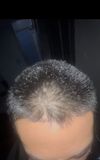
The user has been using finasteride, minoxidil, and a derma stamp for 3 months with significant improvement. They are now adding ketoconazole to their routine.
OP struggles with scalp flakes causing hair loss and has tried Selsun Blue, Ketoconazole, and ZPT Shampoo without success. Suggestions include using salicylic acid shampoo, shaving the head, using Nizoral, and combining treatments like Minoxidil and finasteride.
Gut microbiome imbalances can cause scalp inflammation and affect hair follicles, potentially leading to hair loss. Treatments include finasteride, peptides like BPC-157, TB-500, KPV, and lifestyle changes such as diet and exercise.
The user experiences scalp itchiness despite using ketoconazole shampoo and is also taking oral finasteride and minoxidil. Suggestions include trying different shampoos like Head & Shoulders, using salicylic acid products, considering allergies, and consulting a dermatologist for alternatives like Ciclopirox.
The user experienced severe scalp itching after using RU58841 and ketoconazole shampoo, despite trying moisturizing treatments. They suspect the issue is related to the propylene glycol in the vehicle and are seeking alternatives.
User noticed beard and sideburn hair loss, and thinning eyebrows, diagnosed with alopecia barbae and male pattern baldness, and prescribed Desonide cream. User seeks feedback on Desonide cream.
User is experiencing increased sebum, dandruff, and acne after taking a supplement containing biotin, iron, zinc, and calcium pantothenate along with finasteride. They are questioning if biotin is the cause and whether they should stop taking it.
The conversation discusses using Rogaine (Minoxidil) and ketoconazole for hair regrowth, with interest in trying a formulation with Azelaic Acid for potentially better results. Concerns about Azelaic Acid's effectiveness and safety, including skin sensitivity to sunburn, are mentioned.
A 21-year-old experiencing itchy and burning scalp with hair loss was diagnosed with MPB and scalp inflammation. They were prescribed Ketoconazole, Prednisone, Clindamycin, and Finasteride, and are considering trying antihistamines, dietary changes, and "nopoo" to alleviate symptoms.
A 19-year-old is experiencing worsening hair loss and severe seborrheic dermatitis despite using finasteride for six months. Nizoral (ketoconazole) is no longer effective, and they are seeking over-the-counter solutions and advice for an upcoming dermatologist visit.
The user increased finasteride to 1mg daily, stopped using ketoconazole and pyrithione zinc shampoos, and started using regular pH balanced shampoo with tea tree oil, rosemary/peppermint oil, and microneedling. They are now seeing new hair regrowth at the hairline and temples.
Finasteride helped stop hair loss progression and slightly thickened hair, but reduced beard and chest hair growth. The user also uses ketoconazole shampoo for scalp itchiness.
A user shared their 46-day progress using oral finasteride, oral minoxidil, and ketoconazole shampoo for hair loss, noting significant improvement and no major side effects. They advised ensuring dermatologists understand diffuse thinning and expressed disappointment with their initial dermatologist's recommendations.
The conversation is about choosing between Ketoconazole/Nizoral 1%/2% or selenium for dandruff. The user also mentions starting finasteride soon for androgenetic alopecia.
The conversation discusses a 3-month update on using topical minoxidil, finasteride, microneedling, and ketoconazole shampoo for hair loss. Users express amazement at the progress and congratulate the original poster.
The Derma Harmony Sulfur/Salicylic acid soap bar shampoo caused significant hair shedding, oily scalp, and cystic acne. The user experienced better results with rosemary shampoo.
A 27-year-old male with AGA and diffused thinning has been using oral Minoxidil, Finasteride, Vitamin D, B12, Iron, and Ketoconazole shampoo. Despite a hair transplant and improved blood levels, he continues to experience hair loss and suspects a possible misdiagnosis of Alopecia Areata Incognita.
The conversation is about hair loss treatment using finasteride, ketoconazole, and sulfur soap, with consideration of starting dermastamp. The user prefers not to use minoxidil.
Male pattern baldness can occur with or without an oily scalp, but an oily scalp and seborrheic dermatitis can worsen the condition. Treatments like finasteride, minoxidil, and ketoconazole shampoo are used, and managing diet and scalp care can help control symptoms.
The reduction in scalp oiliness is likely due to finasteride reducing DHT levels and the use of ketoconazole shampoo. The combination of these treatments may have decreased sebum production.
Using ketoconazole shampoo for seborrheic dermatitis is generally fine, but opinions vary on frequency, with some suggesting every other day and others less often. Proper scalp cleaning is emphasized to prevent itching and burning.
The user is using ketoconazole shampoo, 5% minoxidil, and microneedling for hair loss treatment. It's suggested that adding a DHT suppressant like finasteride could improve results.
A user with mild psoriasis on the scalp is using finasteride, topical minoxidil, and dermarolling for hair loss but plans to stop minoxidil on the crown due to psoriasis aggravation. Suggestions include switching to a lipid-based minoxidil, using Ketoconazole shampoo, or trying oral minoxidil.
The user has been using 1mg finasteride, 5% minoxidil, Nizoral, and a derma stamp weekly for two months to treat hair loss. They are experiencing good results, with some skin flaking from microneedling.
A 23-year-old user shared progress pictures after 5 months of using 1.25 mg finasteride, 2x daily topical minoxidil, weekly derma stamping, and occasional Nizoral and mixed topical for dandruff. They report reduced shedding and seek advice on when to confidently grow out their hair.
A user experienced skin irritation and acne while using Minoxidil foam, but after stopping both the foam and a sea salt spray, their skin improved. They plan to try oral Minoxidil, suspecting the sea salt spray, not Minoxidil, was the main cause of their skin issues.
A user's hair loss treatment regimen, which includes minoxidil, ketoconazole shampoo and microneedling; some participants questioned the results due to previous posts about hair transplants, but others agreed that quick results are possible with certain treatments.
A user shared their 9-month progress using finasteride, minoxidil with peppermint oil, biotin, coconut or almond oil, Nizoral shampoo, and derma stamping. They experienced significant hairline improvement despite some shedding and dry hair.
A user experienced rapid hair loss and was prescribed Desonide cream for mild Alopecia. They are seeking feedback on its effectiveness and potential side effects.