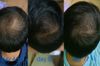
The user underwent a second hair transplant for the crown and mid-scalp, achieving good density. They are using minoxidil, finasteride, and biotin, and considering PRP treatments to enhance growth.
A 19-year-old male experienced significant hair loss, initially thought to be male pattern baldness (MPB), and used minoxidil and briefly finasteride. After realizing the issue was telogen effluvium (TE), he improved his diet and supplemented with vitamins, which led to substantial hair regrowth.
The user "Expliced" shared their progress pictures after using finasteride, minoxidil, and microneedling for 1 year and 3 months. Another user mentioned that using a high-definition camera with flash and sharpening the photo can show new hairs appearing sooner.
A user shared their 12-month progress using 0.5% Pyrilutamide once daily, 0.025% topical finasteride once daily, 5% Minoxidil twice daily, and microneedling 3 times a week. They reported good progress but noted a slowdown in recent months, hoping for thicker hair soon.
The user experienced scalp irritation from a Finasteride and Minoxidil spray and serum. They are considering switching to foam, oral treatments, or another provider.
Combining pyrilutamide and alfatradiol might be as effective as finasteride for hair maintenance. The user plans to try this combination alongside minoxidil and keto shampoo, hoping for improved hair thickness.
The conversation is about comparing the effectiveness of fluridil and clascoterone in preventing hair loss and inquiring about their use as standalone treatments. There is a question about the concentration of the fluridil brand for efficacy.
The conversation discusses a user's progress after 4 months of using 1.25mg finasteride daily, minoxidil, and dermarolling to treat hair thinning, particularly on the sides and crown. The user believes finasteride made the most difference, and they share tips on managing hair loss and tracking progress.
The user experienced significant hair regrowth using 1mg finasteride every other day and 1ml topical minoxidil daily, with initial shedding but improvement by three months. Microneedling was also used, with adjustments to frequency and needle length for better results.
A 36-year-old has been using oral finasteride (1 mg daily) and topical minoxidil twice a day since September 2023, and added LLLT (helmet) to their routine 2 months ago, seeing positive changes. They also use Ketoconazole shampoo, rotate other medical shampoos, train regularly, eat clean, and manage stress.
The user experienced hair loss and started using minoxidil (5%) and finasteride (0.5 mg daily) with inconsistent application but still saw noticeable improvements by the end of January. They use the liquid form of minoxidil.
A user reported significant hair regrowth after 3 months using 1mg oral finasteride, 1ml 5% topical minoxidil, and microneedling, along with biotin, vitamin D, iron, and zinc supplements. They are optimistic about continued progress despite initial skepticism.
The conversation discusses Fevipiprant, an asthma drug that may block CRTH2 and potentially stop male pattern baldness (MPB) without inhibiting DHT. It also mentions the use of finasteride and dutasteride for hair loss.
A 32-year-old male with diffuse thinning and seborrheic dermatitis has been using finasteride for 8 months without improvement. He is considering COQ10 + PQQ supplements for scalp inflammation and hair loss.
HMI-115 is a new drug developed by Bioinvent and licensed by Bayer, with mixed opinions on its potential effectiveness. Some users are skeptical and prefer proven treatments like Minoxidil, finasteride, and RU58841.
The conversation is about someone looking for specific side effects reported in clinical trials for GT20029, a hair loss treatment. No results or data were found on the clinical trials site.
The conversation is about using Tretinoin with Minoxidil for hair loss treatment, discussing the effectiveness and personal experiences with different concentrations. The image linked in the post received negative reactions for being unpleasant.
The post discusses a successful hair loss treatment involving a hair transplant, finasteride, and minoxidil. The user underwent a 2000 graft hair transplant at the hairline in a clinic in Sweden.
The user experienced side effects from finasteride and is considering adding Alfatradiol or Fluridil to their regimen, which includes Minoxidil, dermarolling, and ketoconazole. Fluridil is noted to be more effective than Alfatradiol but less effective than finasteride, with mild side effects reported.
A 19-year-old transgender individual is experiencing worsening temple recession despite taking female hormones and 1.25mg finasteride. They are seeking advice on additional treatments to address hair loss.
The user has been using topical finasteride and minoxidil for a month to address hair thinning. They are experiencing shedding but have noticed small hairs on their temples.
Dermal incision with verteporfin is being explored as a potential hair loss treatment by dermatologist Melissa Toyos, with promising before-and-after photos shared on social media. The conversation discusses its potential effectiveness compared to other treatments like Minoxidil, Finasteride, and RU58841.
User shared 4-month progress on hair loss treatment using 0.25mg finasteride daily and topical minoxidil daily, noting cognitive decline possibly linked to finasteride. Users discussed side effects, alternative treatments, and shared similar experiences.
OP used 1mg finasteride for 4 years, then had a hair transplant, and for the past 6 months has been using 0.5mg dutasteride and 2.5mg oral minoxidil twice daily. The treatments resulted in significant hair density and thickness improvement.
The conclusion of the conversation is that the combination of finasteride and minoxidil has helped the user, Shama2, achieve fast and good results in regrowing hair. They have not experienced any side effects and are consistent with their treatment.
A 21-year-old male diagnosed with telogen effluvium and male pattern baldness started taking finasteride, which initially slowed hair shedding and slightly thickened hair. The doctor recommended iron and vitamin D supplements, and the user is considering minoxidil but wants to stabilize shedding first.
The conversation discusses hair loss treatments including finasteride, minoxidil, derma rolling, and tretinoin, with the user showing progress after five months. Tretinoin is mentioned to enhance the effectiveness of minoxidil.