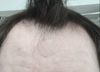
A 30-year-old male with thinning hair and an itchy, oily scalp found that hydrocortisone cream eliminated dandruff and itching and seemed to thicken his hair. He avoided minoxidil and finasteride due to potential side effects and noted that Nizoral and Head & Shoulders worsened his symptoms.
Male androgenetic alopecia is commonly treated with topical minoxidil and oral finasteride, both requiring continuous use. Other options include hair restoration surgery, dutasteride, light therapy, and camouflaging agents.
A 24-year-old male is concerned about hair loss, possibly at Norwood stage 3 to 5, and has started using Minoxidil, shampoo, and hair fibers, while planning to get finasteride. He is worried about the shedding process affecting his progress.
A 24-year-old male has been using oral Minoxidil (2.5mg daily) and daily Dutasteride for hair loss, noticing slight thickening but no major regrowth. Users suggest increasing Minoxidil dosage to 5mg and maintaining consistency, with some recommending additional treatments like topical Minoxidil or considering a hair transplant in the future.
Balding is challenging, and relying on medications like finasteride is often seen as a better option than constantly shaving or trying to compensate in other areas. Many feel that societal expectations to "own it" or drastically change oneself to cope with baldness are unrealistic and burdensome.
A 27-year-old male has been using topical minoxidil for over 8 months and added finasteride in January 2026, noticing new baby hairs. Users suggest these baby hairs will likely grow longer, indicating promising progress.
A 29-year-old male is using alcohol-based 5% topical minoxidil, oral minoxidil 2.5 mg daily, and dermarolling to address hair loss, after discontinuing topical finasteride due to sexual side effects. He notices improved hair quality and thickness but is concerned about density and seeks feedback on his progress.
A 31-year-old male has been using oral finasteride (1.2mg) and minoxidil (3mg) for 9 months and is considering adding dutasteride to his regimen. Users suggest there is progress, but some recommend trying dutasteride for more aggressive treatment.
A 24-year-old male experienced significant hair regrowth after 10 months of using oral minoxidil and finasteride chewables from Hims, with no side effects. He noticed increased hair volume, especially at the front, and recommends trying the medication for hair loss.
A 23-year-old male has been using 0.25mg finasteride daily for 4.5 months to address early-stage male pattern baldness, with positive results and no significant side effects. He plans to continue with this dosage and may consider increasing it or adding minoxidil if necessary.
A 21-year-old male has been experiencing persistent hair loss despite using treatments like dutasteride, finasteride, RU58841, minoxidil, and ketoconazole. Suggestions include checking for hormonal issues, nutritional deficiencies, or allergies, and consulting a doctor for professional advice.
A 30-year-old male has been experiencing hair loss despite using Dutasteride 0.5mg and PRP for 15 months, with no success. He is considering a hair transplant but is advised to stabilize hair loss first and explore other treatments like topical Minoxidil or combined therapies.
A 45-year-old male has been using oral finasteride for 12 months and oral minoxidil for 8 months to address hair loss, with plans for a hair transplant next year. He reports no side effects and some improvement, but acknowledges a transplant is needed for full restoration.
A 21-year-old male experiencing hair thinning and shedding was diagnosed with androgenetic alopecia and prescribed a topical solution containing 5% minoxidil and 0.1% finasteride, multivitamins, and 0.5mg dutasteride daily. He seeks confirmation on whether this prescription is typical for his condition.
A 26-year-old male has been using finasteride for 4.5 years to maintain hair and recently started taking dutasteride weekly due to increased hair shedding. He plans to gradually switch to dutasteride while monitoring side effects and hair changes.
A 28-year-old male with a family history of baldness is deciding whether to start finasteride now or wait for visible hair changes. He is considering starting finasteride immediately to proactively address potential hair loss.
A 20-year-old male experienced significant hair regrowth and transformation in under 7 months using oral minoxidil and finasteride. His hair became curlier, darker, and denser, leading to a dramatic change in appearance.
A 26-year-old male experienced significant hair regrowth using finasteride and minoxidil, with no side effects, and is considering switching to dutasteride. He applies minoxidil topically and takes finasteride daily, noting the importance of consistent lighting for progress photos.
A 33-year-old male is documenting his hair regrowth progress using minoxidil, red light therapy, copper peptides, and micro-needling, with noticeable improvement in hair thickness and coverage. He plans to add a topical finasteride/minoxidil spray and aims for a shadow on his scalp rather than a full head of hair.
A 23-year-old male has been using 1.25 mg generic finasteride daily for 8 months and is seeing significant hair regrowth, particularly in the crown area. He is considering adding minoxidil to his regimen but is unsure if the improvement is due to the medication or just longer hair.
A 24-year-old male reported a 7-month hairline recovery using 0.5mg of dutasteride daily with no side effects. Another user suggested adding minoxidil to the treatment.
A 34-year-old male used Minoxidil 5% and dermarolling for 2 months, seeing significant hair regrowth. He avoided finasteride due to concerns about hormonal effects.
A 40-year-old male using 1mg finasteride and Costco liquid minoxidil for almost 2 months reports noticeable improvement in hair regrowth, though his temples remain recessed. Encouragement from others suggests continued use will yield further progress.
A 24-year-old male has been using 0.1% finasteride and 5% minoxidil daily for four months, added dermarolling and topical dutasteride, and sees hair regrowth, improving from a Norwood scale 4a to 3a. He wants to optimize his hair loss treatment routine.
A 26-year-old male shared progress pictures after 4 months of treating hair loss with finasteride (1.25 mg on Mondays, Wednesdays, and Fridays), topical minoxidil twice daily, ketoconazole shampoo twice weekly, and weekly microneedling at 1.5 mm. He is seeing hair growth improvement, especially in the front, and is considering hair grafts for the crown area if necessary for more density.
The user started balding at 16/17 and tried various treatments including minoxidil, finasteride, and dutasteride with little success. They recently started applying diclofenac gel to their bald areas and noticed some hair regrowth, attributing this to diclofenac's ability to lower prolactin levels and its anti-inflammatory effects.
User started balding at 16 and began treatment at 18, using RU58841, minoxidil, derma rolling, and peptides. After 6 months, they experienced significant hair regrowth and are happy with the results.
A 35 year old male who has seen good results from Finasteride and microneedling, with minimal side effects. Replies to the post ask about the device used for microneedling, discuss the progress made, and offer encouragement.
A 20-year-old male using Minoxidil and finasteride for 6 months and keto shampoo for 5 months saw initial improvement in dandruff, but the condition returned. He recently started using 3% salicylic acid shampoo and seeks advice for persistent dandruff, which is oily and localized to the left side of his scalp.