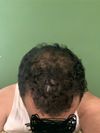
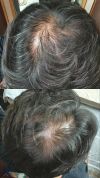
Dutasteride may affect semen parameters but not significantly enough to impact fertility unless baseline fertility is already low. Finasteride and minoxidil are used for hair regrowth, with no side effects reported by one user.
The drugs RU-58841, Pyrilutamide (KX-826), Apalutamide, Enzalutamide, and Darolutamide, which are nonsteroidal antiandrogens (NSAA), potentially impacting malefertility. Pyrilutamide, similar to Enzalutamide, may have reversible effects on fertility.
Finasteride may affect male offspring's fertility and hormonal balance, with debates on whether to discontinue use before conception. Some users report no issues, while others highlight the high doses used in rat studies.
The conversation is about the potential impact of RU58841 on malefertility, specifically regarding sperm concentration, total count, and motility. The user is curious about the likelihood of RU58841 reducing fertility based on its mechanism of action and comparisons to similar substances.
A 24-year-old male using dutasteride for hair loss is worried about its effects on fertility and future children's health. Users advise consulting a doctor, possibly switching to finasteride, or stopping dutasteride before conception due to its impact on sperm count.
Long-term use of dutasteride may impair semen volume and sperm motility, but these effects are often reversible after stopping the drug. Individual reactions vary, and more research is needed to understand the long-term impact on fertility.
A 28-year-old male is concerned about hair loss and is considering starting oral minoxidil now and finasteride after having more children due to fertility concerns. He is worried about losing more hair if he waits four years to begin treatment.
Finasteride can affect sperm quality, but fertility usually returns after stopping it, as shown by a user who conceived four months after discontinuation. Some users successfully conceive while on finasteride, though some prefer to pause its use to minimize risks.
The user is experiencing erectile dysfunction and decreased sperm quality from using Dutasteride for hair loss and is considering stopping it to improve fertility. They are exploring other treatments like Viviscal Men, Minoxidil, Revlan Red System, Fluridil, Nizoral, Stemoxydine, and Eucapil.
Finasteride, dutasteride, and minoxidil are discussed as treatments for male pattern baldness. Finasteride and dutasteride are effective DHT blockers, while minoxidil is necessary for regrowth but must be used consistently.
User "Ant1pal" shares progress pictures of hair regrowth using Minoxidil, Estradiol valerate, and Spironolactone. Users discuss potential side effects and the possibility of localizing estrogen to hair follicles for better treatment.
A 28-year-old male, previously on dutasteride for hair loss, is considering oral minoxidil or a compounded treatment of minoxidil, finasteride, and tretinoin after noticing hairline recession. The dermatologist suggested oral minoxidil and mentioned a compounded option, but the user is unsure about its benefits compared to current treatments.
A 24-year-old male experienced significant hair regrowth after 5 months of using Finasteride, with no other treatments like Minoxidil or microneedling. He also reported an increase in libido and no other side effects.
A male experiencing crown and frontal baldness, along with overall hair thinning, is considering starting topical minoxidil and oral finasteride. He seeks advice on dosages, potential side effects, application tips, and whether to consult a dermatologist before beginning treatment.
A 24-year-old male has been using 5% minoxidil for five years and recently added 0.025% topical finasteride to his routine. He noticed some improvement in his crown area but is considering stronger treatments like oral finasteride or dutasteride for better results, especially on the temples.
A 20-year-old male using 1mg finasteride daily and 5% minoxidil twice a day for two months reported significant hair regrowth with no side effects. Users discussed the effectiveness of these treatments, the importance of consulting a doctor, and the potential for continued improvement over time.
A 21-year-old male experienced significant hair regrowth over a year using dutasteride, minoxidil, and ketoconazole shampoo. He noted improvements despite irregular application and mentioned that his hair is now thicker, with a previously bald spot completely gone.
A 24-year-old male with crown thinning and an oily scalp is seeking advice on shampoo recommendations and whether to restart minoxidil or try a hair growth serum. He is concerned about daily shampooing and managing greasy hair.
A 48-year-old male from the Philippines shared his two-year progress using finasteride only for hair regrowth, experiencing significant improvement without minoxidil. He started with 0.5mg and increased to 1.25mg, later adjusting to every other day due to elevated liver enzymes, and reported 90% hair restoration.
A 20-year-old male is frustrated with his dermatologist for refusing to prescribe DHT blockers like finasteride or dutasteride, instead pushing for a hair transplant despite ongoing hair thinning. The user feels dismissed and unreasonably treated, and is advised by another user to find a better dermatologist and consider finasteride or dutasteride for effective treatment.
A 25-year-old male shared his 3-month progress using oral minoxidil, finasteride, and biotin for hair growth, reporting positive results and minimal side effects, such as slightly reduced libido. He plans to continue treatment and possibly add microneedling, with hopes of further improvement and potential hair transplant if needed.
A 31-year-old male with low normal-range testosterone and DHT is experiencing significant hair loss from the front scalp. He has tried Minoxidil, vitamin D3 and B12 supplements, and exercises regularly but is still seeking the root cause and effective treatment.
A 26-year-old male started minoxidil treatment for male-pattern baldness and saw significant regrowth in three months. He is considering finasteride but is hesitant due to potential side effects.
Concerns about the long-term effects of dutasteride and finasteride on fertility, with discussions on cycling these medications to mitigate risks. The conversation highlights skepticism about study methodologies and the importance of weighing treatment risks against potential fertility issues.
A 19-year-old diagnosed with AGA was refused finasteride by a dermatologist who cited fertility concerns and prescribed minoxidil, vitamins, and shampoos instead. The user is unsure about using minoxidil and considers finding another dermatologist.
The user is concerned about starting finasteride due to potential fertility issues and is considering using minoxidil and Nizoral shampoo as alternatives for hair loss. Another user shares their experience of pausing finasteride while trying to conceive, continuing with minoxidil and Nizoral, and advises prioritizing child health over hair treatment.
Dutasteride treatment may decrease sperm concentration, but levels remain above WHO recommendations and recover after discontinuation. The study has limitations, including small sample size and lack of pre-treatment sperm data, and does not assess other fertility factors.
Stopping finasteride and minoxidil can cause significant hair shedding, so they should be continued indefinitely. Concerns about finasteride affecting fertility or causing birth defects are mostly unfounded, but some stop for personal reasons.
User Kylo313 used dutasteride for 20 years and had two daughters, questioning if dutasteride affects the likelihood of having male vs female children. Replies mostly request hairline photos and discuss anecdotal experiences, with some suggesting correlation doesn't imply causation and that gender determination isn't affected by dutasteride.